





Welcome aboard, career switchers! We know you’re gearing up for a career change, and we’re here to help you create a game-changing resume that will attract recruiters and land you the interview.
Crafting a Career Change Resume That Highlights Your Relevant Skills
The secret to crafting a powerful career change resume lies in highlighting your transferable skills. Transferable skills are those that are valuable across different industries and job roles.
- Start by identifying the skills required for your target career.
- Go through your previous work experiences and pinpoint instances where you’ve demonstrated these skills.
- Quantify your accomplishments using specific metrics whenever possible.
- Use strong action verbs and keywords throughout your resume.
How to Explain Employment Gaps and Career Transitions Effectively
It’s perfectly normal to have employment gaps or career transitions in your work history. The key is to address them professionally and strategically on your resume.
- Be honest and transparent about your gaps.
- Explain how you used your time during those periods, such as pursuing education, volunteering, or developing new skills.
- If you’ve been a stay-at-home parent, highlight the valuable skills you gained during that time, such as project management, communication, and problem-solving.
Demonstrating Your Passion and Motivation for Your New Career Path
Recruiters want to see that you’re genuinely passionate about your new career path. Here’s how to showcase your passion and motivation:
- Start a personal blog or contribute to industry-related publications.
- Volunteer or intern in your target industry.
- Network with professionals in your field and attend industry events.
- Get involved in professional development courses and workshops.
Transferable Skills: The Key to Unlocking Hidden Career Opportunities
Transferable skills are the backbone of a successful career change. They’re the skills that you can apply to various jobs and industries, regardless of your background. Some of the most sought-after transferable skills include:
- Communication
- Problem-solving
- Teamwork
- Leadership
- Adaptability
- Critical thinking
- Interpersonal skills
- Time management
- Organization
Highlight your transferable skills prominently on your resume and in your cover letter. Use specific examples to demonstrate how you’ve applied these skills in your previous work experiences.
Networking and Building Connections for a Successful Career Switch
Networking is crucial for career changers. Attend industry events, join professional organizations, and connect with people on LinkedIn. The more people you meet, the more likely you are to hear about potential job opportunities.
- Don’t be afraid to ask for help from your network.
- Be proactive and reach out to people you admire in your target industry.
- Offer to help others and pay it forward.
Additional Tips for Career Switchers
Consider using a professional resume builder like ResumeGemini that provides industry-specific templates and tailored content to help you showcase your skills and experience.
Don’t limit yourself to your geographical location.
Take advantage of online learning platforms like Coursera and edX to gain the necessary skills for your new career.
Conclusion
Remember, a successful career change requires persistence, dedication, and a belief in your abilities. By following the strategies outlined above, you can create a powerful resume and make a successful transition to your dream career.
We wish you all the best in your career journey!
Career Expert Tips:
- Select the ideal resume template to showcase your professional experience effectively.
- Master the art of resume writing to highlight your unique qualifications and achievements.
- Checkout the resume writing tips for guidance and best practices.
- Make your 2025 brighter with a new job. Build a powerful resume with ResumeGemini and save big, enjoy exclusive discounts on premium templates.
Frequently Asked Questions (FAQ’s)
How can I highlight relevant skills when changing careers?
When you’re changing careers, it’s important to highlight the skills that are most relevant to your new field. One way to do this is to use keywords from the job descriptions you’re applying for. You can also use your resume to showcase your transferable skills, which are skills that can be applied to multiple different jobs. For example, if you’re a marketing professional who is trying to switch to a career in sales, you could highlight your skills in communication, persuasion, and customer relationship management.
- Use keywords from the job descriptions you’re applying for.
- Highlight your transferable skills.
- Use specific examples to demonstrate your skills.
What’s the best way to explain employment gaps on a resume?
If you have any employment gaps on your resume, it’s important to be honest and upfront about them. You can use your resume to explain why you were out of work, such as if you were caring for a sick family member or taking time off to travel. You can also use your resume to highlight any skills or experience you gained during your time off, such as volunteer work or freelance projects.
- Be honest and upfront about employment gaps.
- Explain why you were out of work.
- Highlight any skills or experience you gained during your time off.
How do I show passion for my new career?
One of the best ways to show passion for your new career is to talk about it with enthusiasm. In your resume, you can use strong action verbs and specific examples to describe your experience and skills. You can also use your resume to highlight any volunteer work or personal projects that you’ve done in your new field.
- Use strong action verbs and specific examples.
- Highlight any volunteer work or personal projects.
- Tailor your resume to each job you apply for.
What are transferable skills?
Transferable skills are skills that can be applied to multiple different jobs. These skills are often in high demand, and they can be a valuable asset to any job seeker. Some common transferable skills include communication, problem-solving, teamwork, and leadership.
- Communication
- Problem-solving
- Teamwork
- Leadership
How important is networking for career switchers?
Networking is essential for career switchers. It’s a great way to learn about new job opportunities, meet potential employers, and get advice from others who have made similar career changes. There are many different ways to network, such as attending industry events, joining online groups, and reaching out to people in your personal network.
- Attend industry events.
- Join online groups.
- Reach out to people in your personal network.
- Use social media to connect with potential employers.
Next Step:
If you’re ready to take your career to the next level, use ResumeGemini to create a powerful resume that will help you land your dream job. With ResumeGemini, you can create a resume that is tailored to your specific skills and experience, and that will showcase your passion for your new career.
- Use ResumeGemini to create a powerful resume.
- Tailor your resume to each job you apply for.
- Highlight your skills and experience.
- Showcase your passion for your new career.
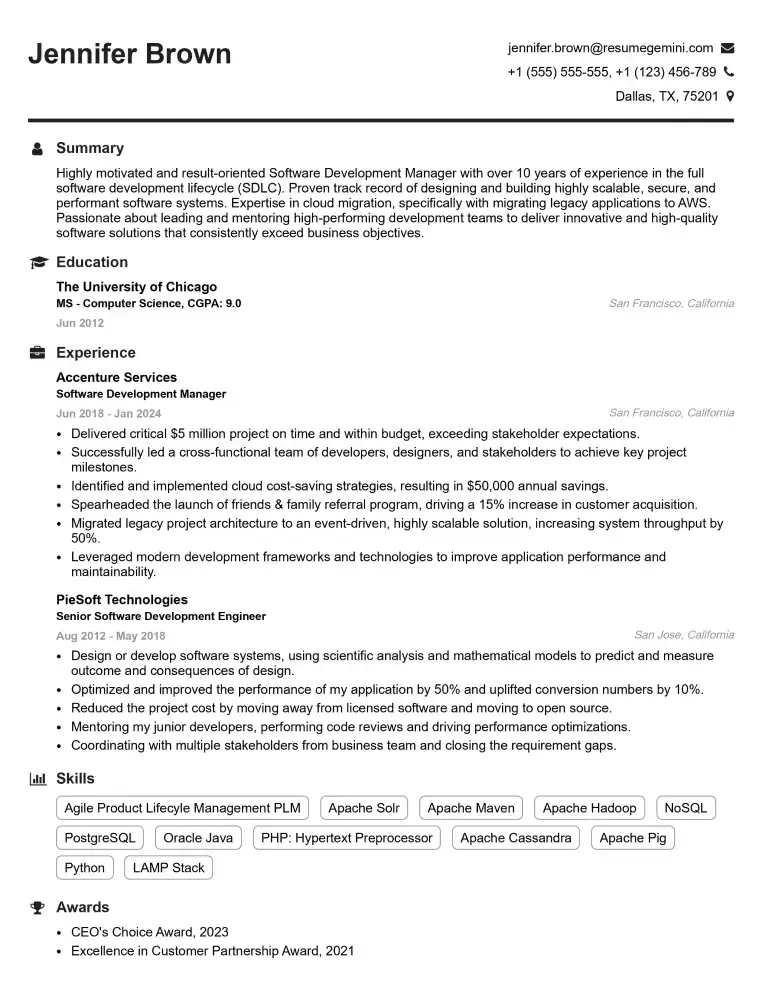
Elevate your job search with our premium resume templates. Here is an amazing resume template that can be used to build a professional and elegant resume. You can build a resume from scratch or revamp your existing resume. Impress hiring managers and secure your next opportunity.
- Top 50 Most Common Interview Questions
- The Psychology of a Great Resume: Hacks to Impress Recruiters
- What Mistakes to Avoid When Writing a Resume: A Comprehensive Guide
- Elevate Your Career with Expert Resume Building: Introducing ResumeGemini
- How to Write a Resume Using Google Gemini: Step-by-Step Guide