





The world of software engineering is constantly evolving, and the skills required to succeed are ever-changing. To stay ahead of the curve, it’s crucial to be aware of the latest trends and technologies. In this blog, we will explore 10 in-demand skills for software engineers in 2026 and discuss strategies for acquiring them to enhance your career. Whether you are a seasoned professional or a recent graduate, this guide will provide you with valuable insights into the skills that will empower you to thrive in the competitive software engineering landscape.
Artificial Intelligence and Machine Learning
Artificial Intelligence (AI) and Machine Learning (ML) have become indispensable tools in software development, transforming industries and creating new possibilities. Software engineers with expertise in AI and ML can leverage these technologies to develop sophisticated applications that can automate tasks, analyze vast amounts of data, and provide valuable insights.
- Develop a strong foundation in AI and ML concepts, such as natural language processing, computer vision, and deep learning.
- Gain practical experience by implementing AI/ML algorithms in real-world projects.
- Familiarize yourself with libraries and frameworks for AI/ML development, such as TensorFlow, PyTorch, and scikit-learn.
Cloud Computing and Big Data
Cloud computing and big data are shaping the future of software engineering. With the proliferation of cloud platforms like AWS, Azure, and GCP, software engineers must possess the skills to design, deploy, and manage applications in the cloud. Additionally, the ability to handle and analyze large volumes of data is becoming increasingly important.
- Develop a comprehensive understanding of cloud computing concepts, including infrastructure-as-a-service (IaaS), platform-as-a-service (PaaS), and software-as-a-service (SaaS).
- Gain experience with cloud computing platforms, such as AWS, Azure, or GCP, and obtain relevant certifications.
- Acquire skills in big data technologies, including Hadoop, Spark, and NoSQL databases.
Cybersecurity and Data Protection
Cybersecurity has become a top concern for organizations in the digital age. Software engineers play a critical role in protecting systems and data from cyber threats. In 2026, cybersecurity skills will be in high demand, and software engineers must equip themselves with the knowledge and expertise to secure software applications.
- Develop a solid understanding of cybersecurity principles, including cryptography, network security, and ethical hacking.
- Obtain industry-recognized cybersecurity certifications, such as CISSP or CEH.
- Stay updated on the latest cybersecurity trends and threats to stay ahead of potential attacks.
Agile Development and DevOps Practices
Agile development methodologies and DevOps practices have become the industry standard for software development. Software engineers need to be proficient in these methodologies to work effectively in modern development teams. Agile and DevOps practices emphasize collaboration, continuous integration, and rapid delivery of high-quality software.
- Become familiar with agile methodologies, such as Scrum or Kanban, and obtain relevant certifications.
- Gain hands-on experience in DevOps practices, including continuous integration/continuous delivery (CI/CD), automated testing, and infrastructure automation.
- Develop strong communication and collaboration skills to work effectively in agile teams.
Full-Stack Development for Web and Mobile Applications
Full-stack developers are highly sought after in the software industry. They possess the skills to work on both the front-end and back-end of web and mobile applications. By mastering full-stack development, software engineers can take on a wider range of responsibilities and become more versatile.
- Acquire proficiency in both front-end technologies (e.g., HTML, CSS, JavaScript) and back-end technologies (e.g., Python, Java, .NET).
- Develop a strong understanding of database management systems and web services.
- Gain experience in building and deploying full-stack applications using popular frameworks like React, Angular, or Spring Boot.
In addition to these in-demand skills, it’s crucial for software engineers to possess strong problem-solving abilities, analytical thinking, and a passion for continuous learning. By mastering the skills outlined in this blog and staying up-to-date with the latest industry trends, software engineers can position themselves for success in 2026 and beyond.
If you are looking to create a compelling resume that showcases your software engineering skills, consider using a professional resume builder like ResumeGemini. With a wide range of customizable templates and expert guidance, ResumeGemini can help you create a resume that effectively highlights your strengths and lands you the job you desire.
Career Expert Tips:
- Select the ideal resume template to showcase your professional experience effectively.
- Master the art of resume writing to highlight your unique qualifications and achievements.
- Checkout the resume writing tips for guidance and best practices.
- Make your 2025 brighter with a new job. Build a powerful resume with ResumeGemini and save big, enjoy exclusive discounts on premium templates.
Frequently Asked Questions (FAQ’s)
1. What are the most in-demand software engineering skills?
In the fast-paced and ever-evolving world of software engineering, staying abreast of the latest skills is essential for career growth. According to industry reports and surveys, the following skills are highly sought after by employers in 2026:
- Cloud Computing: With the increasing adoption of cloud platforms like AWS, Azure, and GCP, proficiency in cloud computing technologies is becoming increasingly valuable. Engineers skilled in designing, deploying, and managing cloud-based solutions are in high demand.
- Artificial Intelligence and Machine Learning: AI and ML are transforming various industries, and their applications in software engineering are expanding rapidly. Engineers with expertise in AI algorithms, data analysis, and ML models are highly sought after.
- Cybersecurity: As the threat landscape continues to evolve, cybersecurity has become a critical concern for organizations. Engineers with strong cybersecurity knowledge and experience in protecting systems and data from cyber threats are in high demand.
- DevOps: DevOps is a software development approach that emphasizes collaboration between development and operations teams. Engineers with DevOps skills, such as CI/CD pipelines, Agile methodologies, and cloud orchestration tools, are highly valued.
- Data Analysis and Visualization: Software engineers with strong data analysis and visualization skills are in high demand. They can help businesses make data-driven decisions by extracting insights from complex datasets and presenting them in clear and actionable formats.
2. How can I learn the skills I need to succeed in software engineering?
Acquiring the skills necessary for success in software engineering requires a combination of formal education, online courses, hands-on experience, and continuous learning. Here are some strategies to enhance your skillset:
- Formal Education: Pursuing a bachelor’s or master’s degree in computer science or a related field provides a strong foundation in software engineering principles, algorithms, data structures, and programming languages.
- Online Courses and Certifications: Numerous online platforms offer specialized courses and certifications in high-demand software engineering skills, such as cloud computing, AI, cybersecurity, and DevOps. These courses provide flexibility and allow you to learn at your own pace.
- Hands-on Projects: Building personal projects is an excellent way to apply your skills and gain practical experience. Contribute to open-source projects or develop your own applications to showcase your abilities.
- Continuous Learning: Software engineering is a constantly evolving field. Stay up-to-date with the latest trends and technologies by reading industry blogs, attending conferences, and participating in online communities.
3. What are the career paths available to software engineers?
Software engineering offers a wide range of career paths, allowing individuals to specialize in different areas based on their interests and skills. Some common career paths include:
- Software Developer: Responsible for designing, developing, and testing software applications. They work on various projects, from small-scale mobile apps to complex enterprise systems.
- Software Architect: Focuses on the high-level design and architecture of software systems. They ensure that software solutions meet business requirements, are scalable, and maintainable.
- DevOps Engineer: Collaborates with both development and operations teams to ensure smooth software delivery and maintenance. They automate processes, implement CI/CD pipelines, and monitor system performance.
- Data Engineer: Specializes in managing, processing, and analyzing large datasets. They design and implement data pipelines, build data models, and develop data visualization tools.
- Security Engineer: Responsible for protecting software systems and data from cyber threats. They implement security measures, perform vulnerability assessments, and respond to security incidents.
4. How can I stay up-to-date with the latest software engineering trends?
Staying current with the latest software engineering trends is essential for continuous professional development. Here are some tips to keep your knowledge up-to-date:
- Industry Blogs and Publications: Subscribe to industry blogs, such as Hacker News, DZone, and InfoQ, to stay informed about new technologies, best practices, and emerging trends.
- Conferences and Webinars: Attend industry conferences and webinars to learn from experts, network with peers, and gain insights into the latest advancements.
- Online Communities: Join online communities, such as Stack Overflow, GitHub, and Reddit, to participate in discussions, ask questions, and share knowledge with other software engineers.
- Technical Courses and Certifications: Enrolling in technical courses or pursuing certifications can provide structured learning experiences and help you stay current with specific technologies or domains.
5. What are the best resources for software engineering professionals?
There are numerous resources available to support software engineering professionals in their career development. Here are a few valuable resources:
- IEEE Computer Society: A professional organization that provides access to technical publications, conferences, and networking opportunities for computer scientists and software engineers.
- ACM: The Association for Computing Machinery offers a wide range of resources, including technical journals, conferences, and professional development programs for software engineers.
- Stack Overflow: A popular online Q&A forum where software engineers can ask and answer technical questions, share code snippets, and collaborate on solutions.
- GitHub: A code hosting platform that allows software engineers to collaborate on open-source projects, share code, and learn from others.
- LinkedIn: A professional networking platform where software engineers can connect with industry professionals, join groups, and access career development resources.
Next Step:
To effectively showcase your in-demand software engineering skills, it’s essential to create a professional resume that highlights your abilities and experience. ResumeGemini is a leading resume builder that offers a range of premium, ATS-friendly templates designed specifically for software engineers. With ResumeGemini, you can easily create a visually appealing and impactful resume that will help you stand out in the job market. Take advantage of our customizable resume builder to showcase your skills and get noticed by potential employers.
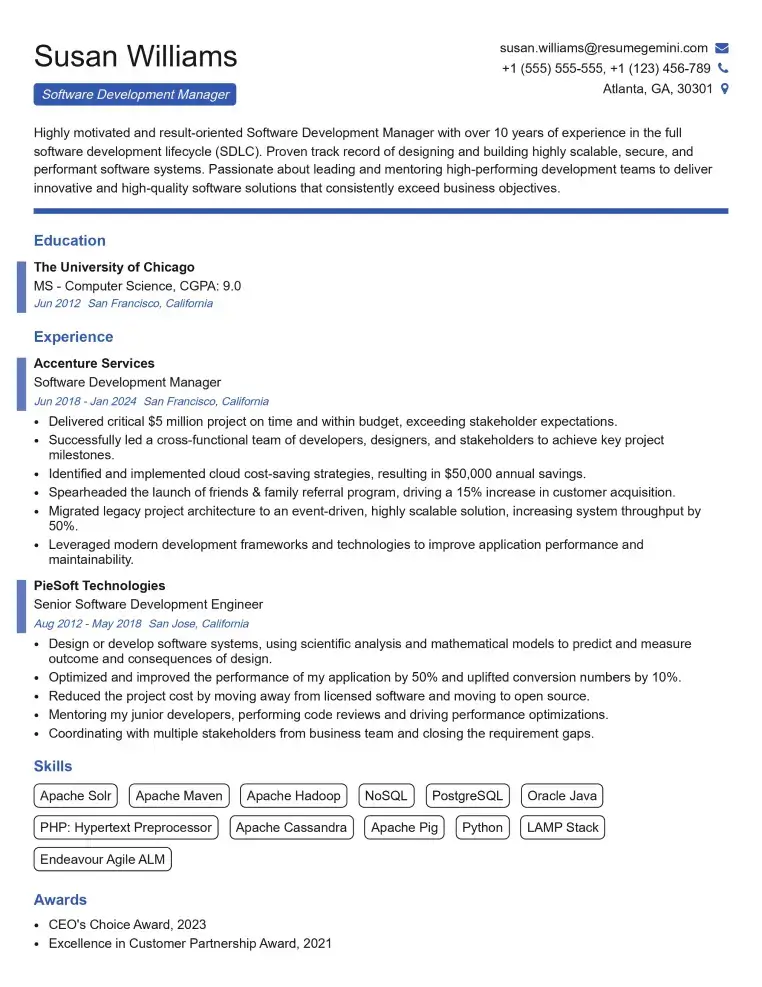
Elevate your job search with our premium resume templates. Here is an amazing resume template that can be used to build a professional and elegant resume. You can build a resume from scratch or revamp your existing resume. Impress hiring managers and secure your next opportunity.
- Top 50 Most Common Interview Questions
- The Psychology of a Great Resume: Hacks to Impress Recruiters
- What Mistakes to Avoid When Writing a Resume: A Comprehensive Guide
- Elevate Your Career with Expert Resume Building: Introducing ResumeGemini
- Crafting Your First Impression: How To Make Free Resume Online For Freshers