





Embark on a transformative journey with ResumeGemini’s comprehensive interview preparation guide. Step into the interview room with unwavering confidence, armed with insider tips, proven techniques, and expert advice that will propel you towards interview success.
Decode the Interview Process
Interviews come in various forms, each requiring tailored preparation. Here’s a breakdown of the most common types:
- Phone Interviews: A preliminary screening to gauge your suitability for the role. Be prepared to answer questions about your experience and skills.
- Video Interviews: Similar to phone interviews, but with the added element of video conferencing. Practice your non-verbal cues and ensure a professional video setup.
- Panel Interviews: Multiple interviewers are present, including hiring managers, team members, and HR professionals. Be prepared to address questions from different perspectives.
- Group Interviews: An interactive session where you engage with a group of candidates. Demonstrate your teamwork and problem-solving abilities.
- Case Interviews: Scenario-based questions that test your analytical and problem-solving skills. Research the company and industry to prepare for specific case scenarios.
Craft a Compelling Elevator Pitch
Your elevator pitch is your chance to make a lasting first impression. Keep it concise and impactful, emphasizing your key skills, experience, and why you’re the perfect fit for the role:
- Introduce yourself: State your name, current role, and relevant experience.
- Highlight your skills: Showcase your technical and soft skills that align with the job requirements.
- Specify the role you’re seeking: Clearly express your interest in the specific position you’re applying for.
- Close with a call to action: Invite the interviewer to ask questions or schedule a follow-up meeting.
Ace Behavioral Interview Questions
Behavioral interview questions delve into your past experiences to assess your skills and problem-solving abilities. Use the STAR method (Situation, Task, Action, Result) to craft effective answers:
- Describe the situation: Set the context and provide brief details about the specific situation.
- Explain your task: Clearly state your role and responsibilities in the situation.
- Outline your actions: Detail the specific actions you took to address the challenge.
- Quantify your results: Provide concrete metrics or evidence of the positive outcomes of your actions.
Handle Technical Questions with Confidence
Technical questions are designed to assess your technical skills and knowledge. Prepare thoroughly by researching the industry, company, and specific role. Practice answering questions related to:
- Programming languages and frameworks: Discuss your proficiency in relevant programming languages, software, and technologies.
- Problem-solving scenarios: Demonstrate your ability to analyze and solve technical problems using real-world examples.
- System design: Explain your understanding of architectural patterns, data structures, and algorithms.
- Database management: Describe your experience with database systems, data modeling, and query optimization.
Prepare Thought-Provoking Questions
Asking insightful questions not only shows your engagement but also allows you to gather valuable information about the company and the role:
- About the company: Ask about the company’s culture, mission, and future plans.
- About the role: Inquire about the specific responsibilities, growth opportunities, and expectations of the position.
- About the industry: Seek insights into industry trends, challenges, and emerging technologies.
- About the team: Ask about the structure of the team, the size, and the team members’ roles.
Master Nonverbal Communication
Nonverbal communication plays a crucial role in conveying your confidence and professionalism during an interview:
- Body language: Maintain an upright posture, make eye contact, and use appropriate gestures to emphasize your points.
- Facial expressions: Keep a warm and friendly expression, smile when appropriate, and avoid fidgeting.
- Eye contact: Make direct eye contact with the interviewer to demonstrate respect and engagement.
- Dress code: Dress professionally and appropriately for the industry and company culture.
Negotiate Your Worth
Salary negotiation is a delicate but important part of the interview process. Research industry benchmarks, be confident in your worth, and prepare a range that reflects your experience and skills:
- Be prepared: Conduct thorough research on industry benchmarks and salaries for similar roles in your area.
- Know your worth: Assess your skills, experience, and accomplishments to determine your value.
- State your range: Clearly state your desired salary range, supported by your research and qualifications.
- Be willing to negotiate: Be prepared to negotiate and find a mutually acceptable agreement that meets both your needs and the company’s budget.
Follow Up Effectively
A timely and professional follow-up can reinforce your interest in the position and leave a lasting impression:
- Send a thank-you note: Within 24 hours of the interview, express your gratitude and reiterate your interest in the role.
- Mention key points: Briefly highlight the main points of the interview and reiterate your qualifications for the position.
- Follow up patiently: Allow the hiring manager time to review candidates before following up. Generally, a good time to follow up is a week to ten days after the interview.
Empower yourself with ResumeGemini’s comprehensive interview preparation guide, and you’ll be well on your way to interview success. Remember, preparation is key. By following these tips and practicing your responses, you can approach interviews with confidence and land your dream job. ResumeGemini wishes you the best of luck in your interview journey.
Career Expert Tips:
- Select the ideal resume template to showcase your professional experience effectively.
- Master the art of resume writing to highlight your unique qualifications and achievements.
- Checkout the resume writing tips for guidance and best practices.
- Make your 2025 brighter with a new job. Build a powerful resume with ResumeGemini and save big, enjoy exclusive discounts on premium templates.
Sharpen Your Interview Skills with ResumeGemini’s In-Depth Guide
Master the art of interviewing with ResumeGemini’s comprehensive guide. Discover insider tips, proven techniques, and expert advice to navigate the interview process with confidence and ace your next job interview.
Frequently Asked Questions (FAQs)
What types of interview preparation tips does ResumeGemini’s guide offer?
ResumeGemini’s guide provides a comprehensive range of interview preparation tips to help you excel in interviews, including:
- Researching the company and position: Thoroughly researching the company and the specific role you’re applying for will demonstrate your interest and preparation.
- Practicing your answers: Rehearsing your responses to common interview questions will bolster your confidence and ensure you articulate your thoughts effectively.
- Tailoring your resume and cover letter: Customizing your resume and cover letter to highlight your relevant skills and experience for each position will make your application stand out.
- Dressing professionally: Making a good first impression is crucial, so dress appropriately for the interview setting.
- Being on time: Punctuality shows respect for the interviewer’s time and conveys your professionalism.
How can I improve my elevator pitch for interviews?
Craft a compelling elevator pitch that concisely and engagingly introduces you and your value proposition. Keep it brief (around 30-60 seconds) and focus on highlighting your key skills, experience, and career goals that align with the position you’re applying for.
What are the most effective ways to answer behavioral interview questions?
Behavioral interview questions delve into specific situations and actions from your past. Use the STAR method to answer these questions effectively:
- Situation: Briefly describe the situation or task you were faced with.
- Task: Explain your role and responsibilities in that situation.
- Action: Describe the specific actions you took to address the situation or complete the task.
- Result: Highlight the positive outcome or impact of your actions.
How can I prepare for technical interview questions in my field?
Technical interview questions assess your technical skills and knowledge. To prepare, consider the following strategies:
- Review the job description: Identify the specific technical skills and knowledge required for the position.
- Practice solving coding problems: Many technical interviews involve coding challenges. Practice solving coding problems to demonstrate your problem-solving abilities.
- Research the company’s technology stack: Familiarize yourself with the technologies used by the company to align your preparation accordingly.
- Prepare for common technical interview questions: Research and prepare answers to common technical interview questions related to your field.
What are some strategies for asking thoughtful questions during an interview?
Asking thoughtful questions during an interview demonstrates your interest in the position and the company. Consider the following tips:
- Prepare questions in advance: Research the company and the position to identify specific questions that will provide you with valuable insights.
- Ask open-ended questions: Open-ended questions encourage the interviewer to elaborate and provide more detailed information.
- Avoid generic questions: Steer clear of generic questions that can be easily found on company websites or in job descriptions.
- Be specific and relevant: Tailor your questions to the specific context of the interview and the position you’re applying for.
How can I enhance my nonverbal communication skills for interviews?
Nonverbal communication plays a significant role in interviews. Enhance your nonverbal skills by paying attention to the following aspects:
- Maintain eye contact: Making eye contact conveys confidence and attentiveness.
- Use positive body language: Sit up straight, smile, and use open gestures to project a positive and approachable demeanor.
- Be mindful of your facial expressions: Facial expressions can convey emotions and reactions. Maintain a professional and engaged expression.
- Dress appropriately: Dressing professionally for the interview setting demonstrates respect and conveys a positive impression.
Does the guide provide advice on salary negotiation?
Yes, ResumeGemini’s guide includes valuable advice on salary negotiation. It covers strategies for researching industry benchmarks, preparing your negotiation points, and negotiating confidently to achieve a mutually beneficial outcome.
What are the best practices for following up after an interview?
Following up after an interview is crucial to demonstrate your continued interest and professionalism. Consider the following best practices:
- Send a thank-you note: Promptly send a thank-you note to the interviewer, expressing your appreciation and reiterating your interest in the position.
- Follow up via email or phone: If you don’t hear back within a reasonable timeframe, follow up via email or phone to inquire about the status of your application.
- Be persistent but respectful: While it’s important to follow up, be mindful of being overly persistent and avoid coming across as pushy.
- Reiterate your qualifications: In your follow-up communication, briefly highlight your key qualifications and how they align with the position’s requirements.
Next Step:
Mastering the art of interviewing requires preparation and practice. Take advantage of ResumeGemini’s comprehensive interview guide to gain the knowledge, skills, and confidence you need to ace your next job interview. Visit ResumeGemini today and empower yourself to make a lasting impression and land your dream job.
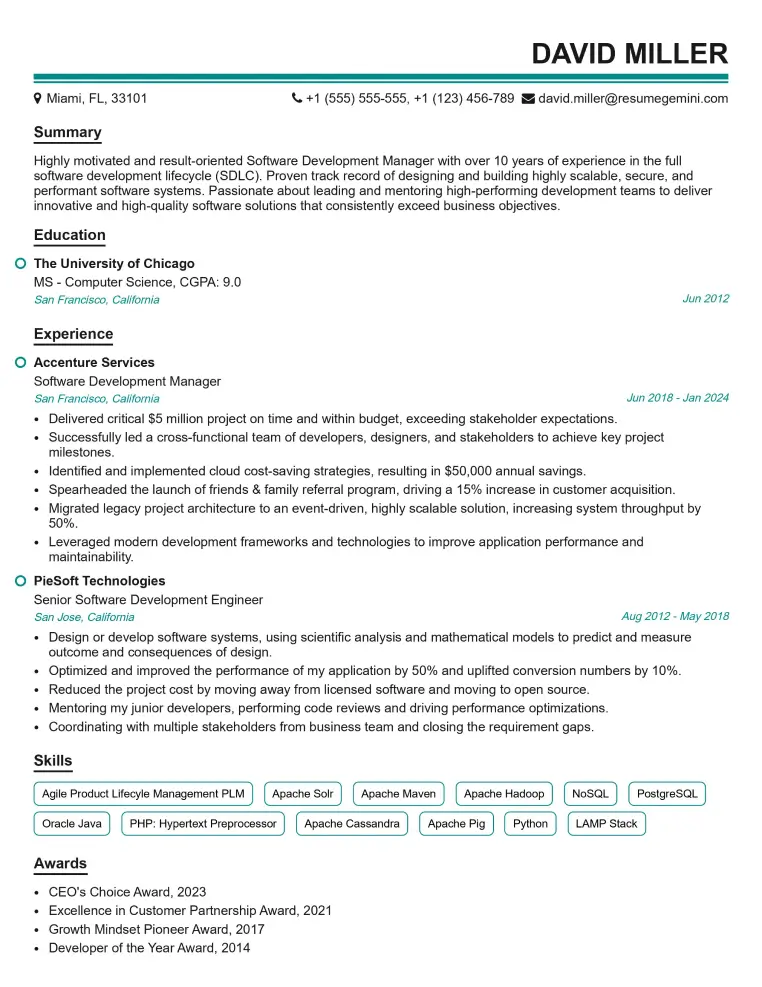
Elevate your job search with our premium resume templates. Here is an amazing resume template that can be used to build a professional and elegant resume. You can build a resume from scratch or revamp your existing resume. Impress hiring managers and secure your next opportunity.
- Top 50 Most Common Interview Questions
- The Psychology of a Great Resume: Hacks to Impress Recruiters
- What Mistakes to Avoid When Writing a Resume: A Comprehensive Guide
- Elevate Your Career with Expert Resume Building: Introducing ResumeGemini
- How to Write a Resume Using Google Gemini: Step-by-Step Guide