





Behavioral interviews can be nerve-wracking, but with the right preparation, you can turn those butterflies into a winning strategy. This comprehensive guide will provide you with a step-by-step approach to mastering the STAR method, identifying common interview questions, crafting compelling stories, and ultimately securing your dream job.
Understanding the STAR Method and Its Importance
The STAR method is a structured framework for answering behavioral interview questions effectively. It stands for Situation, Task, Action, Result. By using this method, you can provide clear and concise answers that highlight your skills and experiences.
- Situation: Describe the specific context or scenario in which the event occurred.
- Task: Explain the task or challenge that you were responsible for.
- Action: Describe the specific actions you took to address the challenge.
- Result: Quantify or qualify the outcome of your actions and how they contributed to the success of the project or team.
Identifying and Preparing for Common Behavioral Interview Questions
Behavioral interview questions are designed to assess your skills, experiences, and behaviors in specific situations. Some of the most common behavioral interview questions include:
- Tell me about a time you faced a challenge and how you overcame it.
- Describe a project you’re proud of and explain your role in its success.
- Give me an example of a time you worked effectively as part of a team.
- Tell me about a time you had to adapt to a changing or unexpected situation.
- Describe a time you received negative feedback and how you handled it.
To prepare for these questions, take some time to reflect on your experiences and identify specific examples that showcase your desired skills.
Crafting Compelling Stories That Highlight Your Skills
When answering behavioral interview questions, it’s essential to craft compelling stories that highlight your skills and experiences. Here are some tips for creating effective stories:
- Use specific examples: Avoid general statements and provide concrete examples that illustrate your skills.
- Quantify your results: When possible, use numbers or metrics to quantify the outcomes of your actions.
- Focus on the transferable skills: While it’s important to provide relevant industry-specific examples, also highlight the transferable skills that are valuable in various roles.
- Practice your delivery: Rehearse your answers to common interview questions to ensure you can deliver them confidently and convincingly.
Practicing Your Answers for Fluency and Confidence
Practice makes perfect! The more you practice your answers, the more fluent and confident you will be during the interview. Here are some tips for effective practicing:
- Start small: Begin by practicing with a few key questions that you feel comfortable with.
- Record yourself: Record your answers to common interview questions and then review them to identify areas for improvement.
- Get feedback: Ask a friend, family member, or career counselor to provide feedback on your answers.
- Time yourself: Ensure that you can answer within the typical time frame for behavioral interview questions.
Anticipating and Preparing for Follow-Up Questions
During the interview, the interviewer may ask follow-up questions to clarify your answers or probe deeper into your experiences. Here are some tips for anticipating and preparing for follow-up questions:
- Think ahead: As you prepare your answers, anticipate potential follow-up questions and consider how you will respond.
- Be honest and authentic: Follow-up questions often require you to provide more detailed or specific information. Be honest and authentic in your responses.
- Use the STAR method: Even for follow-up questions, use the STAR method to provide structured and concise answers.
- Be prepared to expand: Follow-up questions often provide an opportunity to elaborate on your skills and experiences. Be prepared to provide additional details.
Dressing Professionally and Maintaining Positive Body Language
While your answers are the most important aspect of a behavioral interview, your appearance and body language also play a significant role. Here are some tips for dressing professionally and maintaining positive body language:
- Dress appropriately: Dress professionally, choosing attire that is suitable for the industry and position you’re applying for.
- Maintain eye contact: Eye contact conveys confidence and interest. Make an effort to maintain eye contact with the interviewer.
- Smile: A genuine smile can create a positive atmosphere and make you appear more approachable.
- Sit up straight: Good posture conveys confidence and professionalism.
- Practice active listening: Nonverbal cues, such as nodding and leaning slightly forward, demonstrate that you are actively listening and engaged in the conversation.
Researching the Company and the Position
Thorough research on the company and the position you’re applying for can significantly enhance your performance in a behavioral interview. Here’s how:
- Company research: Visit the company’s website to learn about their mission, values, products or services, and recent news.
- Position research: Review the job description thoroughly to understand the responsibilities, qualifications, and skills required for the position.
- Industry research: Stay updated on industry trends and news to demonstrate your knowledge and interest in the field.
- Identify common interview questions: Research typical interview questions specific to the industry or position.
- Tailor your answers: Use your research to tailor your answers to the specific company and position, highlighting how your skills and experiences align with their needs.
Managing Nervousness and Staying Composed
It’s natural to feel nervous before a job interview, but managing your anxiety effectively is crucial. Here are some tips:
- Prepare thoroughly: The more prepared you are, the less nervous you will feel.
- Practice deep breathing: Before the interview, take a few deep breaths to calm your nerves.
- Visualize success: Spend a few minutes before the interview visualizing yourself answering questions confidently.
- Stay positive: Focus on your strengths and why you’re qualified for the position.
- Remember your goals: Keep your focus on the ultimate goal of landing the job, which can help motivate you.
Career Expert Tips:
- Select the ideal resume template to showcase your professional experience effectively.
- Master the art of resume writing to highlight your unique qualifications and achievements.
- Checkout the resume writing tips for guidance and best practices.
- Make your 2025 brighter with a new job. Build a powerful resume with ResumeGemini and save big, enjoy exclusive discounts on premium templates.
Frequently Asked Questions (FAQs)
What is the STAR method and how can I use it in my interview?
The STAR method is a structured way to answer behavioral interview questions by providing specific and detailed examples. It stands for Situation, Task, Action, and Result. When answering using the STAR method, first describe the Situation or context in which the event occurred. Then, explain the Task or challenge you faced. Next, describe the specific Actions you took to address the situation. Finally, conclude with the positive Result or outcome of your actions. Using the STAR method helps you provide clear and concise answers that highlight your skills and abilities.
- Example: “Tell me about a time you faced a difficult customer.”
- Using the STAR method, you could answer:
- Situation: “I was working as a customer service representative when a customer called in extremely upset about a product issue.”
- Task: “My task was to calm the customer down and resolve the issue.”
- Action: “I actively listened to the customer’s concerns, apologized for the issue, and offered a solution to resolve it.”
- Result: “The customer was satisfied with the resolution, thanked me for my help, and ended the call on a positive note.”
What are the most common behavioral interview questions?
Behavioral interview questions are designed to assess your past performance and behaviors in specific situations. These questions typically start with “Tell me about a time when…” or “Describe a situation where…” Here are some of the most common behavioral interview questions:
- Tell me about a time you successfully handled a difficult customer.
- Describe a situation where you had to work effectively as part of a team.
- Give me an example of a time when you faced a challenge and how you overcame it.
- Tell me about a time you had to make a difficult decision.
- Describe a situation where you had to manage a heavy workload.
How can I prepare compelling stories that showcase my skills?
To prepare compelling stories that showcase your skills, follow these steps:
- Identify the specific skills and qualities that the interviewer is looking for.
- Think back to your past experiences and identify situations where you demonstrated these skills.
- Use the STAR method to structure your stories and provide specific and detailed examples.
- Practice telling your stories out loud so that you can deliver them confidently and clearly.
- Tailor your stories to the specific job you are applying for by highlighting the skills and experiences that are most relevant to the role.
What are some tips for practicing my answers effectively?
To practice your answers effectively, try the following tips:
- Record yourself answering questions out loud. Then, listen back to your recordings and identify areas where you can improve your delivery.
- Practice answering questions with a friend or family member. This will give you an opportunity to get feedback and improve your responses.
- Use a mock interview tool or website to practice answering questions in a simulated interview environment.
- Attend workshops or webinars on behavioral interviewing to learn more about the process and how to answer questions effectively.
How can I anticipate and prepare for follow-up questions?
Interviewers often ask follow-up questions to get more details about your answers. To anticipate and prepare for follow-up questions, try the following tips:
- Be prepared to provide specific examples and details to support your answers.
- Think about potential follow-up questions that the interviewer may ask based on your answers.
- Practice answering follow-up questions out loud so that you can deliver your responses confidently and clearly.
- Don’t be afraid to ask the interviewer for clarification if you don’t understand a question.
What are some common mistakes to avoid in behavioral interviews?
To avoid common mistakes in behavioral interviews, keep the following tips in mind:
- Don’t give vague or general answers. Be specific and provide concrete examples.
- Don’t focus on negative experiences or failures. Instead, highlight your strengths and accomplishments.
- Don’t ramble or go off on tangents. Stay focused on the question and provide concise answers.
- Don’t be afraid to ask for clarification if you don’t understand a question.
- Be yourself and be authentic. Don’t try to be someone you’re not.
How can I dress and behave professionally during my interview?
Dressing and behaving professionally during your interview is important to make a good impression on the interviewer. Here are some tips:
- Dress in clean, pressed, and conservative clothing.
- Make sure your shoes are polished and your accessories are minimal.
- Arrive on time for your interview and be polite and respectful to everyone you meet.
- Maintain good eye contact and speak clearly and confidently.
- Be engaged and interested in the conversation and ask thoughtful questions.
What are some strategies for managing nervousness during an interview?
It’s normal to feel nervous before an interview, but there are some strategies you can use to manage your nerves:
- Prepare thoroughly for your interview so that you feel confident in your abilities.
- Practice answering common interview questions out loud so that you can deliver your responses confidently and clearly.
- Arrive for your interview on time and give yourself plenty of time to relax and collect your thoughts before the interview begins.
- Take deep breaths and focus on staying calm and composed throughout the interview.
- Remember that the interviewer is also human and is there to get to know you and your skills.
Next Step:
Now that you know how to prepare for a behavioral interview using the STAR method, it’s time to start practicing!
Head over to ResumeGemini to build a professional resume that showcases your skills and experience. Our resume builder offers a variety of templates and tools to help you create a standout resume that will impress potential employers.
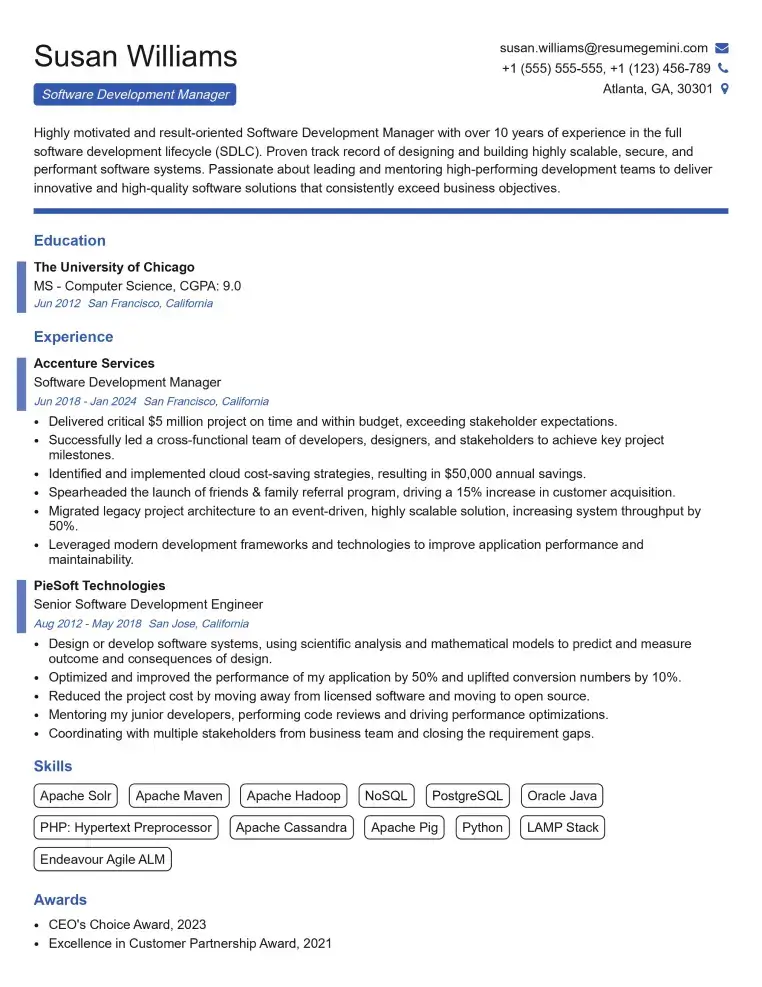
Elevate your job search with our premium resume templates. Here is an amazing resume template that can be used to build a professional and elegant resume. You can build a resume from scratch or revamp your existing resume. Impress hiring managers and secure your next opportunity.
- Top 50 Most Common Interview Questions
- The Psychology of a Great Resume: Hacks to Impress Recruiters
- What Mistakes to Avoid When Writing a Resume: A Comprehensive Guide
- Elevate Your Career with Expert Resume Building: Introducing ResumeGemini
- How to Write a Resume Using Google Gemini: Step-by-Step Guide