





Crafting an impactful resume can be daunting, but it holds the key to unlocking your dream career. Let’s embark on a comprehensive journey with a checklist that ensures your resume stands out from the crowd and captivates potential employers.
1. Contact Information
Ensure your resume is easy to reach you by providing up-to-date:
- Full name
- Professional email address
- Phone number
- LinkedIn profile URL (optional, but recommended)
- Address (optional: include if relevant to job location)
2. Professional Summary or Objective
Craft a compelling introduction that:
- Summarizes your skills, experience, and career goals
- Highlights your unique value proposition
- Targets specific job descriptions
3. Education
List your educational qualifications in reverse chronological order, including:
- Degree(s) obtained
- University/Institution
- Location
- Graduation date or expected graduation date
- GPA and other relevant academic achievements (optional)
4. Work Experience
Showcase your professional journey by outlining your experience in reverse chronological order, for each role:
- Company name and location
- Job title
- Employment duration
- Key responsibilities and accomplishments (use action verbs and quantify results whenever possible)
5. Skills
Highlight your hard and soft skills relevant to the target job, categorizing them into:
- Technical skills (proficiency with specific tools, software)
- Soft skills (communication, problem-solving, teamwork)
- Industry-specific skills
- Languages
6. Accomplishments
Quantify and showcase your achievements using the STAR method:
- Situation: Briefly describe the context and challenges faced.
- Task: Explain your responsibilities and actions taken.
- Action: Describe the specific steps you took to achieve the outcome.
- Results: Quantify or qualify the positive impact of your actions.
7. Certifications
List any relevant certifications, including:
- Certification name
- Issuing organization
- Date of certification
- Expiration date (if applicable)
8. Awards and Honors
Recognize your accomplishments, such as:
- Awards received
- Issuing organization
- Date of recognition
9. Languages
Indicate your language proficiency, including:
- Language
- Fluency level (e.g., native, fluent, proficient)
10. References (optional)
Provide contact information for references upon request, such as:
- Name
- Job title
- Affiliation with you
- Email address
- Phone number
11. Custom Sections
Tailor your resume by adding relevant sections specific to your industry or experience, such as:
- Projects
- Publications
- Extracurricular activities
- Skills-based sections
12. Proofreading and Editing
Before submitting your resume, meticulously proofread and edit it for:
- Grammar and spelling errors
- Accuracy of information
- Formatting consistency
- Overall clarity
- Consider seeking feedback from a trusted source, such as a career counselor or mentor.
13. Design and Formatting
Create a visually appealing and easy-to-read resume by:
- Using a professional template or customizing your own
- Choosing a legible font
- Maintaining consistent margins and spacing
- Using headers and subheadings to organize content
- Avoiding clutter and unnecessary graphics
14. File Format and Naming Convention
Save your resume in a widely accepted format, such as:
- PDF (Portable Document Format) – preferred as it preserves formatting
- DOC (Microsoft Word Document) – compatible with most word processors
Name your file using the following convention: “Your Name_Resume.pdf”
15. ATS Optimization
Make sure your resume is compliant with Applicant Tracking Systems (ATS) by:
- Using keywords relevant to the target job
- Avoiding graphics and images
- Using standard fonts and formatting
- Saving your resume as a PDF file
Crafting a resume that meets these essential criteria will significantly enhance your chances of impressing potential employers and securing the job you desire. Remember, a well-executed resume is a reflection of your professionalism, skills, and dedication to your career aspirations.
To further streamline resume creation, consider using ResumeGemini, an all-in-one resume builder with premium, ATS-friendly templates, content examples, and customization options. With ResumeGemini, you can create a resume that captures your strengths and captivates recruiters, giving you a competitive edge in the job market.
Career Expert Tips:
- Select the ideal resume template to showcase your professional experience effectively.
- Master the art of resume writing to highlight your unique qualifications and achievements.
- Checkout the resume writing tips for guidance and best practices.
- Make your 2025 brighter with a new job. Build a powerful resume with ResumeGemini and save big, enjoy exclusive discounts on premium templates.
Frequently Asked Questions (FAQ’s)
What are the essential elements that every resume should include?
A well-crafted resume should encompass the following essential sections:
- Header: This section serves as your resume’s introduction, prominently displaying your name, contact information (email, phone number, professional website, LinkedIn profile), and a professional headshot (optional).
- Summary or Objective: A concise statement, typically 2-3 sentences, summarizing your professional experience, skills, and career goals. Tailor this section to the specific position you’re applying for, highlighting relevant skills and experience.
- Skills: A categorized list of your hard and soft skills, including both technical proficiencies (e.g., software, programming languages) and transferable skills (e.g., communication, teamwork). Quantify your skills whenever possible using specific metrics and results.
- Experience: This section chronologically details your relevant work history, beginning with your most recent role. For each position, include the company name, job title, location, dates of employment, and a bullet-point list of your responsibilities and accomplishments. Use action verbs to describe your contributions and quantify your results using specific metrics whenever possible.
- Education: List your educational background in reverse chronological order, starting with your highest degree. Include the name of the institution, your degree, location, dates of attendance, and GPA (if it’s high and relevant to the position you’re applying for).
- Certifications and Honors: If you hold any relevant certifications or have received awards or recognition, list them in this section. This information demonstrates your commitment to professional development and can set you apart from other candidates.
- Additional Sections: Depending on your industry and experience level, you may choose to include additional sections, such as Projects, Publications, Languages, Volunteer Experience, or Hobbies and Interests. These sections can provide additional context and demonstrate your well-roundedness.
How can I ensure my resume meets industry standards?
To ensure your resume meets industry standards, consider the following best practices:
- Use a professional resume template: Opt for a clean, easy-to-read template that aligns with the norms of your industry. Avoid using excessive graphics or distracting fonts.
- Tailor your resume to each job application: Customize your resume to match the specific requirements of each position you apply for. Highlight the skills and experience that are most relevant to the job description.
- Use keywords: Review the job description and identify relevant keywords. Incorporate these keywords into your resume, especially in your summary, skills section, and experience descriptions.
- Proofread carefully: Before submitting your resume, proofread it thoroughly for any errors in grammar, spelling, or formatting. Consider asking a friend, family member, or career counselor to review your resume as well.
- Keep it concise: Your resume should be concise and easy to skim. Aim for one page if you have less than 10 years of experience, and no more than two pages if you have more experience.
What are some common mistakes to avoid when writing a resume?
To avoid common pitfalls when writing a resume, keep the following tips in mind:
- Including irrelevant information: Focus on including only information that is relevant to the specific job you’re applying for. Avoid listing irrelevant work experience, skills, or personal information.
- Using clichés or generic language: Avoid using overused phrases or generic statements. Instead, use specific, action-oriented language to describe your accomplishments and skills.
- Exaggerating or fabricating information: Be honest and accurate in your resume. Exaggerating or fabricating information can damage your credibility and hurt your chances of getting the job.
- Using poor formatting: A poorly formatted resume can make it difficult for recruiters to read and assess your qualifications. Use clear headings, consistent font sizes, and ample white space.
- Neglecting design: While content is crucial, don’t neglect the visual appeal of your resume. Choose a visually appealing template, use appropriate fonts, and consider adding subtle design elements.
How can I highlight my strengths and accomplishments on my resume?
To effectively highlight your strengths and accomplishments on your resume:
- Use specific and quantifiable examples: When describing your responsibilities and accomplishments, use specific and quantifiable examples whenever possible. This will help your accomplishments stand out and demonstrate your impact.
- Use action verbs: Use strong action verbs to describe your contributions and accomplishments. This will make your resume more dynamic and engaging to read.
- Highlight your unique skills and experience: Emphasize the skills and experience that set you apart from other candidates. Focus on transferable skills that are valuable in a variety of roles.
- Use a skills matrix: Consider adding a skills matrix to your resume, which provides a visual representation of your skills and their proficiency levels.
- Get feedback: Ask a friend, family member, or career counselor to review your resume and provide feedback on how you can better highlight your strengths and accomplishments.
What is the best way to format and design my resume?
For optimal formatting and design, consider the following principles:
- Use a clean and professional font: Opt for a professional and easy-to-read font, such as Arial, Calibri, or Times New Roman. Avoid using fancy or decorative fonts.
- Use consistent font sizes: Use consistent font sizes throughout your resume. Headings should be larger than body text, and subheadings should be slightly smaller.
- Use white space effectively: White space is your friend. Use ample white space to make your resume easy to read and visually appealing.
- Use bullet points and lists: Bullet points and lists can make your resume easier to skim and read. Use them to list your responsibilities, accomplishments, and skills.
- Use section headings: Use clear section headings to organize your resume and make it easy for recruiters to find the information they’re looking for.
How can I optimize my resume for applicant tracking systems (ATS)?
To optimize your resume for applicant tracking systems (ATS):
- Use relevant keywords: Review the job description and identify relevant keywords. Incorporate these keywords into your resume, especially in your summary, skills section, and experience descriptions.
- Use a standard font: ATS can have difficulty parsing fancy or decorative fonts. Stick to standard fonts like Arial, Calibri, or Times New Roman.
- Avoid using images or graphics: ATS can’t read images or graphics. If you want to include visuals, such as a headshot or charts, convert them to PDF format before uploading your resume.
- Use a consistent file format: Save your resume in a universally accepted file format, such as PDF or Word. Avoid using proprietary file formats.
- Test your resume: There are several online tools available to test your resume against ATS. Use these tools to identify any potential issues and make the necessary adjustments.
Is it important to include references on my resume?
Including references on your resume is not always necessary, as many employers prefer to contact you for references if they are interested in your application. However, there are some situations where it can be beneficial to include references:
- Early in your career: If you have limited work experience, including references can provide potential employers with additional assurance of your skills and abilities.
- When requested: Some job descriptions may specifically request that you include references. In this case, it’s important to provide the requested references.
- For specialized roles: If you’re applying for a highly specialized role,
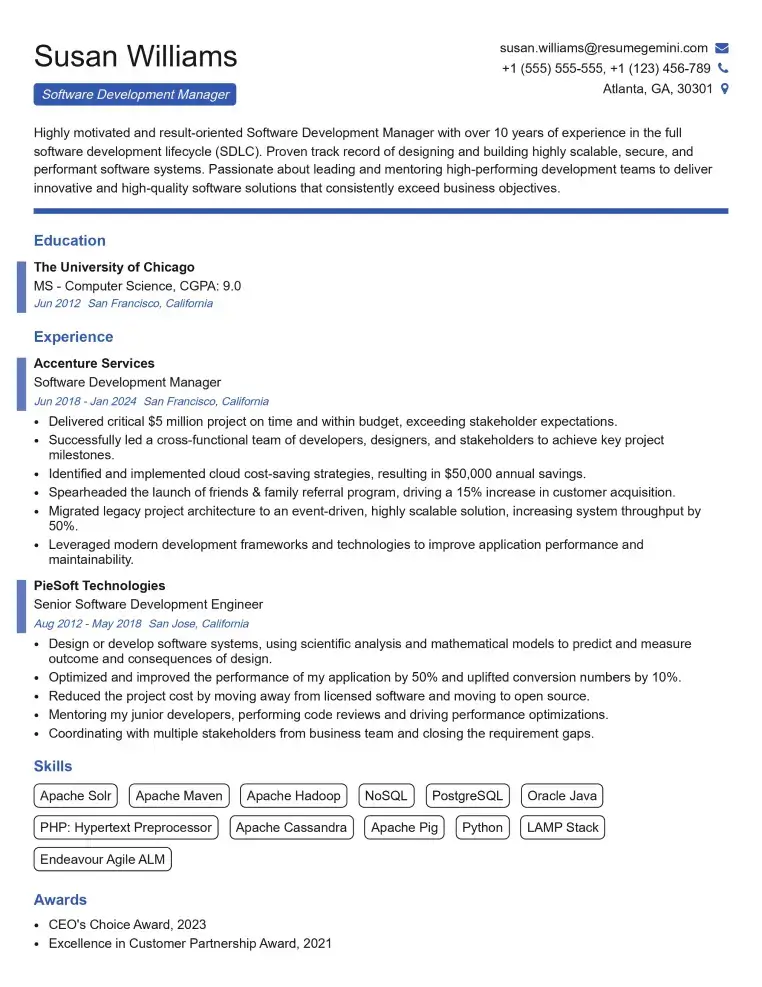
Elevate your job search with our premium resume templates. Here is an amazing resume template that can be used to build a professional and elegant resume. You can build a resume from scratch or revamp your existing resume. Impress hiring managers and secure your next opportunity.
- Top 50 Most Common Interview Questions
- The Psychology of a Great Resume: Hacks to Impress Recruiters
- What Mistakes to Avoid When Writing a Resume: A Comprehensive Guide
- Elevate Your Career with Expert Resume Building: Introducing ResumeGemini
- How to Write a Resume Using Google Gemini: Step-by-Step Guide