





Transitioning to a new career path can be a daunting yet exhilarating experience. If you’re looking to make a career switch, crafting an effective resume is crucial to showcasing your skills and landing your dream job in a new field. In this blog, we’ll unveil 7 secrets to help you create a resume that effectively communicates your potential and sets you on the path to success.
Highlighting Transferable Skills and Experiences
Identify the skills you’ve acquired in your previous roles that are relevant to the new field. ResumeGemini offers over 3.6 million content examples to help you find the most appropriate terms. Highlight these transferable skills prominently in your resume, using keywords and industry-specific terminology. Showcase how your experiences have equipped you with the necessary abilities to excel in the new role.
Crafting a Compelling Career Objective
Your career objective is a concise statement at the beginning of your resume that summarizes your career goals and aspirations. Tailor it specifically to the industry and role you’re applying for. Use strong action verbs and quantify your accomplishments whenever possible. Keep it brief and to the point, conveying your enthusiasm and fit for the new field.
Demonstrating Your Passion and Interest in the New Field
Beyond your skills and experiences, it’s important to convey your genuine passion and interest in the new field. Highlight any relevant coursework, certifications, or projects you’ve undertaken to demonstrate your commitment to the field. Volunteer experiences, online courses, or personal projects showcasing your knowledge and enthusiasm can strengthen your application.
Leveraging Education, Training, and Certifications
List your educational qualifications, training programs, and certifications chronologically, starting with the most recent. Quantify your achievements and highlight any relevant coursework or research projects. If you have any industry-specific certifications, include them prominently to demonstrate your credibility and commitment to professional development.
Building a Strong Network and Getting Referrals
Networking is crucial for career growth and exploring new opportunities. Attend industry events, connect with professionals on LinkedIn, and reach out to your existing network for introductions and referrals. A strong network can provide valuable insights, job leads, and support throughout your career transition.
Tailoring Your Resume to Specific Industries and Roles
One size does not fit all when it comes to resumes. Tailor your resume to each job application, highlighting the skills and experiences most relevant to the specific industry and role. Research the company and the position to understand their needs and tailor your resume accordingly.
Showcasing Your Adaptability and Eagerness to Learn
Companies value candidates who are adaptable and eager to learn. Highlight your ability to quickly grasp new concepts, embrace challenges, and adapt to changing environments. Mention any instances where you successfully transitioned into new roles or mastered new skills. This demonstrates your willingness to grow and succeed in the new field.
Getting Feedback and Refining Your Resume
Once you’ve drafted your resume, it’s essential to get feedback from trusted sources, such as career counselors, industry professionals, or friends and family. Ask for constructive criticism on your language, formatting, and overall presentation. Incorporate their feedback to refine your resume and enhance its impact.
Addressing Potential Concerns and Objections
Anticipate potential concerns or objections from recruiters and hiring managers, such as lack of direct experience in the new field. Address these concerns proactively in your resume or cover letter. Explain how your transferable skills, passion, and willingness to learn make you a suitable candidate.
Using Key Phrases and Industry-Specific Terminology
Using relevant keywords and industry-specific terminology throughout your resume is essential for getting noticed by applicant tracking systems (ATS) and recruiters. Research the industry and identify the key phrases and terms that hiring managers use. Incorporate these terms naturally into your resume to increase its visibility and relevance.
Career Expert Tips:
- Select the ideal resume template to showcase your professional experience effectively.
- Master the art of resume writing to highlight your unique qualifications and achievements.
- Checkout the resume writing tips for guidance and best practices.
- Make your 2025 brighter with a new job. Build a powerful resume with ResumeGemini and save big, enjoy exclusive discounts on premium templates.
Frequently Asked Questions (FAQ’s)
How can I make my resume stand out when applying for jobs in a new field?
When switching careers, it’s crucial to tailor your resume to each job opportunity. Highlight relevant skills and experience, even if they come from a different industry. Use keywords from the job description to optimize your resume for applicant tracking systems (ATS). Consider adding a Career Summary section to showcase your transferable skills and career goals.
- Emphasize transferable skills: Focus on skills that are applicable to the new field, even if you gained them in a different industry.
- Use keywords: Incorporate keywords from the job description into your resume to increase its visibility to ATSs.
- Add a Career Summary: A well-crafted Career Summary can effectively communicate your career transition goals and highlight your relevant skills.
What are the most important sections to include on a resume for a career switch?
While the traditional resume sections (Contact Information, Summary, Skills, Experience, Education) remain essential, consider adding the following sections:
- Objective: Clearly state your career transition goals and why you’re pursuing a specific position.
- Transferable Skills: Highlight skills gained in previous roles that are relevant to the new field.
- Projects: Showcase projects or initiatives that demonstrate your skills and passion for the new industry.
- Certifications: List relevant certifications that enhance your credibility and demonstrate your commitment to the new field.
How do I highlight transferable skills gained in a different industry?
Identify transferable skills that are valuable in the new field, even if they were developed in a different industry. Use action verbs and quantify your accomplishments to demonstrate your proficiency. Consider using a Skills Summary section to showcase your top transferable skills.
- Identify transferable skills: Analyze your skills and experiences to determine which ones are applicable to the new field.
- Use action verbs and quantify: Describe your accomplishments using strong action verbs and provide quantifiable results to highlight your impact.
- Skills Summary section: Create a dedicated Skills Summary section to list your most relevant transferable skills prominently.
What are the best ways to demonstrate my passion for the new field?
Showcase your passion for the new field by highlighting relevant coursework, volunteer experiences, or personal projects. Consider creating a separate section on your resume to demonstrate your enthusiasm and commitment.
- Relevant coursework: Mention any courses or certifications that demonstrate your interest and knowledge in the new field.
- Volunteer experiences: Highlight volunteer work that aligns with the new field, showing your commitment and hands-on experience.
- Personal projects: Showcase personal projects that reflect your passion for the new industry and highlight your skills.
How can I tailor my resume to specific job opportunities in a different industry?
Customize your resume for each job application, highlighting the skills and experience most relevant to the specific position. Use keywords from the job description to optimize your resume for ATSs. Consider adding a cover letter that further explains your career transition and why you’re a suitable candidate.
- Customize your resume: Tailor your resume to each job application, emphasizing the skills and experience most relevant to the specific position.
- Use keywords: Incorporate keywords from the job description into your resume to increase its visibility to ATSs.
- Add a cover letter: A well-written cover letter can provide additional context for your career transition and highlight your qualifications for the position.
What are some common mistakes to avoid when writing a resume for a career switch?
Avoid common pitfalls such as focusing too much on your previous industry experience, not highlighting transferable skills, or using a generic resume that doesn’t showcase your unique qualifications for the new field.
- Focusing too much on previous industry experience: While it’s important to mention your previous experience, avoid dwelling on it too much. Focus on highlighting transferable skills and experiences relevant to the new field.
- Not highlighting transferable skills: Make sure to clearly showcase the skills and experiences that are transferable to the new field. Quantify your accomplishments and use action verbs to emphasize your impact.
- Using a generic resume: Avoid using a generic resume that doesn’t showcase your unique qualifications for the new field. Customize your resume for each job application and highlight the skills and experience most relevant to the specific position.
How can I address potential concerns about my lack of experience in the new field?
Acknowledge any potential concerns about your lack of direct experience in the new field. Emphasize your transferable skills, passion for the industry, and willingness to learn. Consider highlighting any relevant coursework, certifications, or projects that demonstrate your commitment to the new field.
- Acknowledge the concern: Acknowledge any potential concerns about your lack of direct experience in the new field in your resume or cover letter.
- Emphasize transferable skills: Highlight your transferable skills, emphasizing how they can be applied to the new field.
- Demonstrate your passion: Showcase your passion for the new industry through relevant coursework, certifications, or projects.
What is the ideal length for a resume for a career switch?
The ideal length for a resume for a career switch is typically one page. However, if you have extensive experience or a significant number of relevant skills and accomplishments, you may consider using two pages.
- One-page resume: A one-page resume is generally preferred, especially if you have less than 10 years of experience.
- Two-page resume: If you have extensive experience or a significant number of relevant skills and accomplishments, a two-page resume may be necessary.
Next Step:
Unlock your career transition potential with ResumeGemini. Our premium, ATS-friendly resume builder provides a step-by-step process, industry-specific templates, and expert tips to help you create a resume that effectively communicates your skills and lands you your dream job in a new field. Elevate your resume today and take the next step towards a successful career switch with ResumeGemini.
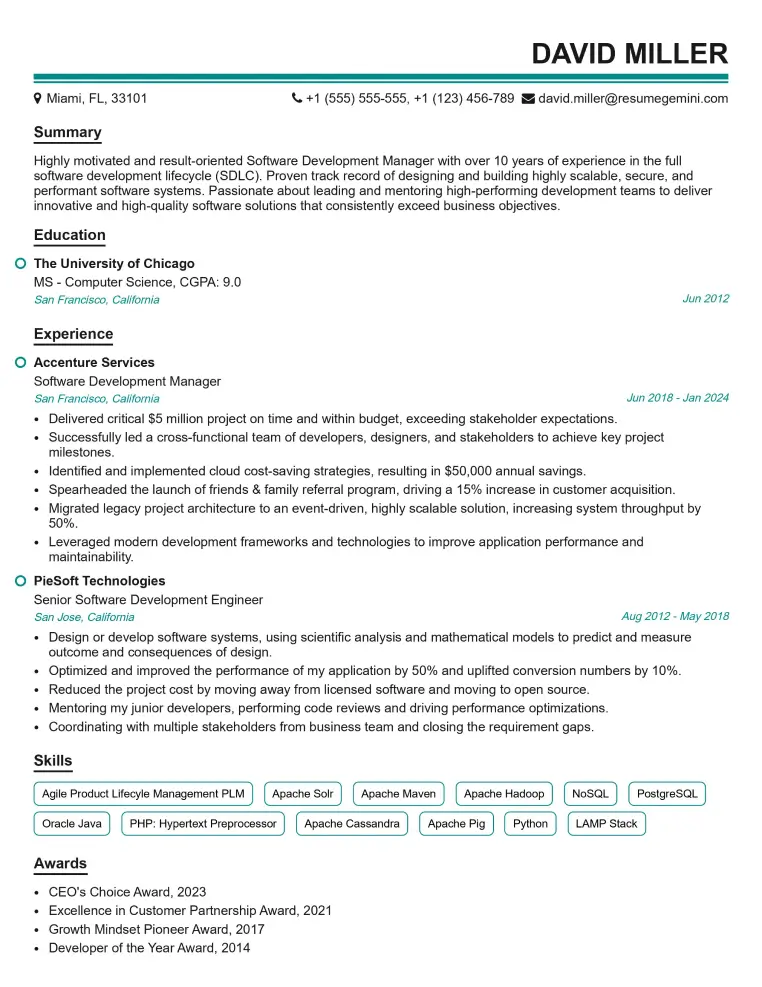
Elevate your job search with our premium resume templates. Here is an amazing resume template that can be used to build a professional and elegant resume. You can build a resume from scratch or revamp your existing resume. Impress hiring managers and secure your next opportunity.
- Top 50 Most Common Interview Questions
- The Psychology of a Great Resume: Hacks to Impress Recruiters
- What Mistakes to Avoid When Writing a Resume: A Comprehensive Guide
- Elevate Your Career with Expert Resume Building: Introducing ResumeGemini
- How to Write a Resume Using Google Gemini: Step-by-Step Guide