





In the fiercely competitive job market, a well-crafted cover letter is your secret weapon to stand out from the crowd and secure the coveted interview opportunity. It’s your chance to showcase your unique skills, experience, and enthusiasm, leaving a lasting impression on hiring managers.
Capture Attention with a Captivating Opening
Your cover letter is your chance to make a strong first impression, so start with a gripping hook that grabs the reader’s attention. Consider opening with a compelling anecdote, a relevant quote, or a thought-provoking question that sparks curiosity. Avoid generic phrases or bland introductions that fail to differentiate you from the masses.
Highlight Your Most Relevant Skills and Experience
Tailor your cover letter to each job application by carefully highlighting the skills and experience that align with the specific requirements of the position. Showcase your key accomplishments, quantifying them with specific results whenever possible. For instance, instead of simply stating “Led a marketing campaign,” elaborate with a statement like “Spearheaded a multi-channel marketing campaign that increased brand awareness by 25% and generated a 15% increase in sales.”
Quantify Your Accomplishments
Numbers speak louder than words, so quantify your accomplishments whenever possible to demonstrate the tangible impact of your work. Use specific metrics and data points to paint a clear picture of your contributions. For example, instead of saying “Managed a team of 10,” write “Supervised a team of 10 engineers, resulting in a 30% increase in project completion rates.”
Demonstrate Your Enthusiasm for the Position and Company
Express your genuine interest in the position and the company. Research the organization’s culture, values, and recent accomplishments to demonstrate your understanding and alignment. Show enthusiasm for the role and explain why you believe your skills and experience make you an ideal fit. Avoid generic statements like “I’m a hard worker” or “I’m excited about any opportunity.” Instead, tailor your cover letter to the specific company and position, highlighting how your aspirations match their needs.
Research the Company and Position
Before you start writing, take the time to thoroughly research the company and the specific position you’re applying for. Visit the company website, read industry publications, and connect with current or former employees on LinkedIn to gain insights into the organization’s culture, values, and priorities. This knowledge will empower you to tailor your cover letter to the specific requirements of the role and demonstrate your genuine interest in the company.
Customize Your Letter for Each Job Application
Avoid sending out generic cover letters. Take the time to customize each letter to the specific job application you’re submitting. Highlight the skills and experience that are most relevant to the position and demonstrate how your qualifications align with the company’s needs. Using a one-size-fits-all approach will diminish your chances of impressing hiring managers who are seeking tailored, personalized applications.
Keep Your Letter Concise and to the Point
Hiring managers are busy professionals with limited time to read through lengthy cover letters. Keep your letter concise and to the point, typically around 250-400 words. Focus on highlighting your most relevant skills and experience, and avoid unnecessary details or rambling. A well-written, succinct cover letter will be more likely to capture the attention of hiring managers and make a lasting impression.
Proofread Carefully for Errors
Before submitting your cover letter, proofread it carefully for any errors in grammar, spelling, or punctuation. Typos and mistakes can create a negative impression and undermine your credibility. Ask a friend, family member, or colleague to review your cover letter and provide feedback on its clarity, conciseness, and overall impact. A polished, error-free cover letter will demonstrate your professionalism and attention to detail.
Use a Professional Tone
Maintain a professional tone throughout your cover letter, avoiding slang, colloquialisms, or overly casual language. Use formal language and avoid contractions. While it’s important to showcase your personality, ensure that your cover letter conveys a sense of respect and professionalism.
Showcase Your Personality
While maintaining a professional tone, don’t be afraid to let your personality shine through. Use anecdotes, examples, or brief personal stories to illustrate your skills and experience. This will help you stand out from the crowd and make a memorable impression on hiring managers.
Use Keywords Strategically
To increase your chances of passing through Applicant Tracking Systems (ATS), incorporate relevant keywords from the job description into your cover letter. Use these keywords naturally throughout the text, avoiding keyword stuffing or unnatural phrasing. Research the industry and specific job requirements to identify the most appropriate keywords to include.
Consider Including a Call to Action
End your cover letter with a strong call to action that encourages the hiring manager to take the next step. Invite them to schedule an interview, request additional information, or visit your online portfolio. A clear call to action will provide direction and motivate hiring managers to follow up with you.
Remember, a winning cover letter is a powerful tool that can propel you towards your dream job interview. By following these secrets, you can craft a compelling narrative that showcases your unique skills, experience, and enthusiasm. So, take the time to invest in a well-written cover letter, and let it be your passport to interview success.
Kickstart your job search with ResumeGemini today, where you’ll find an array of professionally designed resume templates and expert guidance to help you create a resume that stands out.
Career Expert Tips:
- Select the ideal resume template to showcase your professional experience effectively.
- Master the art of resume writing to highlight your unique qualifications and achievements.
- Checkout the resume writing tips for guidance and best practices.
- Make your 2025 brighter with a new job. Build a powerful resume with ResumeGemini and save big, enjoy exclusive discounts on premium templates.
Frequently Asked Questions (FAQ’s)
Why is a cover letter important in the job application process?
A cover letter is an essential component of a job application, as it provides an opportunity to introduce yourself, highlight your most relevant skills and experience, and demonstrate your enthusiasm for the position. It allows you to expand on the information provided in your resume and showcase your candidacy in a more personalized way. Hiring managers often use cover letters to screen applicants and identify those who are genuinely interested in the role and a good fit for the company.
What are the most common mistakes to avoid when writing a cover letter?
- Generic Content: Avoid using boilerplate language or generic statements that could apply to any job opening. Tailor your cover letter specifically to the position and company you are applying for, highlighting your relevant qualifications and how you can contribute to their organization.
- Typos and Grammatical Errors: Proofread your cover letter carefully for any typos, grammatical errors, or formatting issues. These errors can create a negative impression and make it difficult for hiring managers to take your application seriously.
- Excessive Length: Keep your cover letter concise and to the point, typically around 250-400 words. Hiring managers have limited time and may not read lengthy cover letters, so focus on providing the most essential information in a clear and engaging manner.
- Lack of Customization: Avoid using the same cover letter for multiple job applications. Take the time to tailor each cover letter to the specific job description and company. Research the company’s values, mission, and recent accomplishments to demonstrate your knowledge and interest in their organization.
- Unprofessional Tone: Maintain a professional and respectful tone throughout your cover letter. Avoid using overly casual language or slang, and ensure that your writing style aligns with the company’s culture and industry norms.
How can I write a cover letter that stands out from the competition?
- Start with a Strong Hook: Begin your cover letter with an attention-grabbing statement that immediately captures the hiring manager’s interest. This could be a compelling statistic, a personal anecdote, or a specific accomplishment that demonstrates your value.
- Quantify Your Accomplishments: Whenever possible, use specific numbers and metrics to quantify your accomplishments and demonstrate the impact of your work. This helps hiring managers understand the tangible results you have achieved in your previous roles.
- Showcase Your Skills and Experience: Highlight your key skills and experience that are relevant to the position you are applying for. Use specific examples to illustrate how you have applied these skills in your previous roles and how they can benefit the company.
- Demonstrate Your Research: Show the hiring manager that you have taken the time to research the company and understand their needs. Reference specific projects, initiatives, or industry trends that align with your skills and interests.
- Close with a Call to Action: End your cover letter with a strong call to action, expressing your enthusiasm for the opportunity and inviting the hiring manager to schedule an interview.
How do I highlight my most relevant skills and experience in a cover letter?
- Read the Job Description Carefully: Pay close attention to the requirements listed in the job description and identify the skills and experience that are most relevant to the position. Highlight these skills in your cover letter, providing specific examples of how you have applied them in your previous roles.
- Use Keywords: Include keywords from the job description in your cover letter, as this helps Applicant Tracking Systems (ATS) identify your application as a potential match. However, avoid keyword stuffing, as it can make your writing sound unnatural.
- Quantify Your Accomplishments: When describing your experience, focus on quantifying your accomplishments whenever possible. Use specific numbers and metrics to demonstrate the impact of your work and how you have contributed to the success of your previous organizations.
- Showcase Your Skills Through Examples: Provide specific examples of projects, initiatives, or accomplishments that highlight your relevant skills and experience. This helps hiring managers understand how you have applied your skills in practical settings.
- Tailor Your Cover Letter: Customize your cover letter for each job application, highlighting the skills and experience that are most relevant to the specific position and company.
How can I demonstrate my research on the company and position in my cover letter?
- Visit the Company’s Website and Social Media: Explore the company’s website, social media pages, and recent news articles to gather information about their mission, values, industry standing, and recent accomplishments. This will help you understand the company’s culture and identify the areas where your skills and experience align with their needs.
- Read Industry Publications and Articles: Stay up-to-date with industry trends and news by reading relevant publications and articles. This knowledge will enable you to demonstrate your understanding of the industry landscape and how your skills can contribute to the company’s success.
- Reference Specific Projects or Initiatives: If you have discovered any specific projects or initiatives undertaken by the company that align with your skills and interests, mention them in your cover letter. This shows the hiring manager that you have taken the time to research the company and that you are genuinely interested in their work.
- Attend Industry Events: If possible, attend industry events where you can connect with professionals from the company or network with individuals who can provide insights into the organization’s culture and hiring practices.
- Talk to Your Network: Reach out to your professional network to see if anyone has connections or insights into the company or the specific position you are applying for. This can provide valuable information that can help you tailor your cover letter and demonstrate your research.
What is the optimal length for a cover letter?
The ideal length for a cover letter is typically around 250-400 words. Hiring managers often have limited time to review applications, so it is important to keep your cover letter concise and focused on providing the most essential information. A well-written cover letter should be able to effectively introduce yourself, highlight your relevant skills and experience, demonstrate your research on the company, and express your enthusiasm for the opportunity within this word limit.
How can I proofread my cover letter to ensure there are no errors?
- Take a Break: After writing your cover letter, take a break and come back to it later with fresh eyes. This will help you spot any errors or awkward phrasing that you may have missed during the initial writing process.
- Read Aloud: Reading your cover letter aloud can help you identify any awkward sentences or grammatical errors. Pay attention to the flow and rhythm of your writing to ensure that it is clear and easy to understand.
- Use a Grammar Checker: Utilize a grammar checker tool to identify any grammatical or spelling errors. However, it is important to note that grammar checkers are not always perfect, so it is still essential to proofread your cover letter carefully yourself.
- Ask for Feedback: Ask a friend, family member, or colleague to review your cover letter and provide feedback. They may be able to spot any errors or provide suggestions for improvement that you may have overlooked.
Next Step:
With these secrets in your arsenal, you can craft a compelling cover letter that will captivate hiring managers and unlock your dream interview opportunity. Remember to tailor your cover letter to each job application, highlighting your most relevant skills and experience, and demonstrating your enthusiasm for the position and company. Use ResumeGemini to create a professional and eye-catching cover letter that will make a lasting impression.
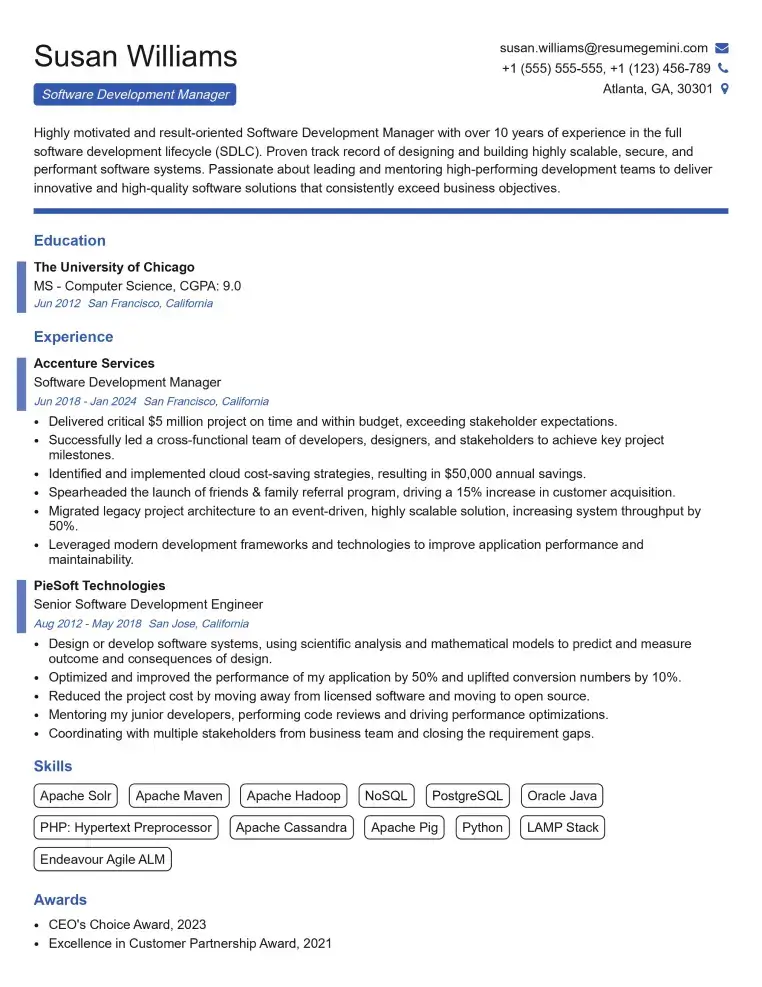
Elevate your job search with our premium resume templates. Here is an amazing resume template that can be used to build a professional and elegant resume. You can build a resume from scratch or revamp your existing resume. Impress hiring managers and secure your next opportunity.
- Top 50 Most Common Interview Questions
- The Psychology of a Great Resume: Hacks to Impress Recruiters
- What Mistakes to Avoid When Writing a Resume: A Comprehensive Guide
- Elevate Your Career with Expert Resume Building: Introducing ResumeGemini
- How to Write a Resume Using Google Gemini: Step-by-Step Guide