





Embark on a transformative career journey with our comprehensive guide to resume writing for a successful career switch in 2023. Let’s empower you with the knowledge and strategies to craft a winning resume that showcases your skills and sets you apart.
Tip #1: Research and Tailor Your Resume to the New Industry
To effectively transition into your dream career, it’s crucial to research and tailor your resume to the specific industry you’re targeting. This involves:
- Identify industry-specific keywords: Research job postings and industry articles to identify the keywords and phrases that potential employers are looking for. Incorporate these terms into your resume to increase its visibility and relevance.
- Highlight relevant skills and experience: Carefully review your work history and identify skills and experiences that are directly transferable to your new career. Showcase these skills prominently on your resume, even if they are not directly related to your previous job title.
- Network with professionals in the industry: Connect with people who work in your desired field through LinkedIn, industry events, or professional organizations. Seek their advice, learn about industry trends, and get insights into the qualifications and experience that employers value.
Tip #2: Highlight Transferable Skills and Relevant Experience
When making a career switch, it’s important to focus on transferable skills—those that are applicable to multiple industries and roles. These skills can include:
- Communication skills
- Problem-solving abilities
- Leadership qualities
- Project management experience
- Data analysis capabilities
In addition to transferable skills, relevant experience can also be valuable in a career switch. Showcase any experiences that demonstrate your ability to learn new skills and adapt to different environments. For example, if you’re transitioning to a marketing role, highlight any projects where you successfully developed and executed marketing campaigns, even if they were in a different industry.
Tip #3: Quantify Your Accomplishments to Showcase Impact
When describing your accomplishments on your resume, it’s not enough to simply list your responsibilities. Instead, use specific numbers and metrics to quantify your results and demonstrate your impact. This will help potential employers visualize the value you can bring to their organization.
For example, instead of saying “Managed a team of customer service representatives,” you could say “Managed a team of 10 customer service representatives, resulting in a 20% increase in customer satisfaction ratings.” By using numbers, you provide concrete evidence of your contributions and make your accomplishments more memorable.
Tip #4: Use Keywords to Optimize Your Resume for ATS
Applicant Tracking Systems (ATS) are software programs used by many companies to screen resumes. To ensure your resume gets noticed, it’s essential to optimize it for ATS by using relevant keywords throughout. Here’s how:
- Review job descriptions: Carefully analyze the job descriptions for the roles you’re applying for. Identify the specific skills and experience that employers are looking for and incorporate those keywords into your resume.
- Use keywords in context: Don’t just stuff keywords into your resume randomly. Instead, use them naturally within the context of your work history and accomplishments.
- Proofread carefully: Before submitting your resume, proofread it carefully for any spelling or grammatical errors. Make sure all keywords are spelled correctly and used in the appropriate context.
Tip #5: Seek Feedback from Industry Professionals
Once you’ve crafted your resume, seek feedback from industry professionals to get an objective perspective and identify areas for improvement. Consider the following:
- Reach out to your network: Ask colleagues, mentors, or former supervisors to review your resume and provide feedback on its content, structure, and overall impact.
- Utilize career services: Many universities and professional organizations offer career services that can provide resume critiques and guidance.
- Get a professional resume review: For a more in-depth analysis, consider hiring a professional resume writer or using a reputable resume review service to provide expert feedback on your resume.
By seeking feedback from industry professionals, you can gain valuable insights and enhance the effectiveness of your resume, increasing your chances of success in your career switch.
Career Expert Tips:
- Select the ideal resume template to showcase your professional experience effectively.
- Master the art of resume writing to highlight your unique qualifications and achievements.
- Checkout the resume writing tips for guidance and best practices.
- Make your 2025 brighter with a new job. Build a powerful resume with ResumeGemini and save big, enjoy exclusive discounts on premium templates.
Frequently Asked Questions (FAQ’s)
How can I write a resume that stands out when switching careers?
A compelling switch resume highlights your transferable skills, relevant experience, and eagerness to learn. Focus on showcasing your accomplishments and how they align with the new career path. Tailor your resume to each job application, emphasizing the skills and experience most relevant to the specific role. Use strong action verbs, quantify your accomplishments, and provide concrete examples to demonstrate your capabilities.
- Highlight transferable skills: Identify skills that are applicable to both your previous and desired careers. For instance, if you’re transitioning from marketing to project management, emphasize your communication, problem-solving, and organizational abilities.
- Showcase relevant experience: Focus on transferable experiences rather than job titles. For example, if you’re applying for a sales role, highlight your customer service experience, even if it was in a different industry.
- Demonstrate eagerness to learn: Show potential employers your commitment to the new career path by highlighting your willingness to learn and adapt. Include any relevant coursework, certifications, or training programs you’ve completed.
What is the importance of researching the new industry?
Researching the new industry is crucial for understanding the job market, identifying relevant skills and experience, and tailoring your resume accordingly. Here’s why:
- Identify industry-specific keywords: By researching job descriptions and industry publications, you can identify the keywords and phrases that potential employers are looking for. Incorporating these terms into your resume will make it more relevant and visible to recruiters.
- Understand industry trends: Researching the new industry will give you insights into the latest trends, technologies, and best practices. This knowledge will help you tailor your resume to demonstrate that you’re up-to-date and knowledgeable about the field.
- Network and learn: Attending industry events, connecting with professionals on LinkedIn, and reading industry blogs can help you expand your network, gain valuable insights, and stay informed about the latest developments in your desired field.
How do I identify and highlight transferable skills?
Transferable skills are those that can be applied across different industries and roles. Identifying and highlighting these skills is essential for a successful career switch. Here’s how you can do it:
- Create a skills inventory: Start by listing all your hard and soft skills, both technical and interpersonal. Consider your previous work experience, education, volunteer work, and hobbies.
- Research industry-specific skills: Identify the skills that are in demand in your desired industry. Compare your skills inventory to the job descriptions of the roles you’re applying for and highlight the skills that match.
- Quantify and provide examples: When presenting your transferable skills, use specific examples and quantify your accomplishments whenever possible. This will make your resume more impactful and memorable.
Why is it crucial to quantify my accomplishments?
Quantifying your accomplishments adds credibility and specificity to your resume. It provides potential employers with a clear understanding of the impact of your work and showcases your value as a candidate. Here’s why it’s important:
- Demonstrates impact: Numbers and metrics provide concrete evidence of your contributions and the value you bring to an organization.
- Makes your resume stand out: Quantified accomplishments make your resume more visually appealing and easier to skim. Recruiters and hiring managers are more likely to notice and remember specific results than general statements.
- Provides context and comparison: Quantifying your accomplishments allows potential employers to compare your experience and skills with other candidates more easily.
How can I optimize my resume for applicant tracking systems (ATS)?
Applicant tracking systems (ATS) are used by many companies to screen resumes and identify qualified candidates. Optimizing your resume for ATS can increase your chances of getting your resume noticed and selected for further review. Here are some tips:
- Use keywords: Incorporate relevant keywords throughout your resume, especially in the job title, summary, and skills section. Research job descriptions and industry publications to identify the most common keywords.
- Use a standard format: ATS prefer resumes in a standard format, typically PDF or Word. Avoid using tables, images, or graphics, as they can interfere with the ATS’s ability to parse your resume.
- Keep it concise: ATS typically have a character limit, so keep your resume concise and focused on the most relevant information. Highlight your most impressive accomplishments and skills, and avoid unnecessary details.
Why is seeking feedback from industry professionals valuable?
Seeking feedback from industry professionals can provide valuable insights and help you tailor your resume to industry standards. Here’s why it’s important:
- External perspective: Industry professionals can provide an external perspective on your resume, identifying areas for improvement and suggesting changes that may not be apparent to you.
- Industry insights: They can offer insights into the specific requirements and expectations of the industry you’re targeting, ensuring your resume aligns with hiring managers’ needs.
- Credibility and confidence: Positive feedback from industry professionals can boost your confidence and give you credibility when applying for jobs.
Next Step:
Take the next step towards your successful career switch by using ResumeGemini. Our platform provides professional resume templates, tailored to different industries and career paths. With ResumeGemini, you can easily create a compelling resume that showcases your transferable skills, relevant experience, and eagerness to learn. Stand out from the competition and make a lasting impression on potential employers.
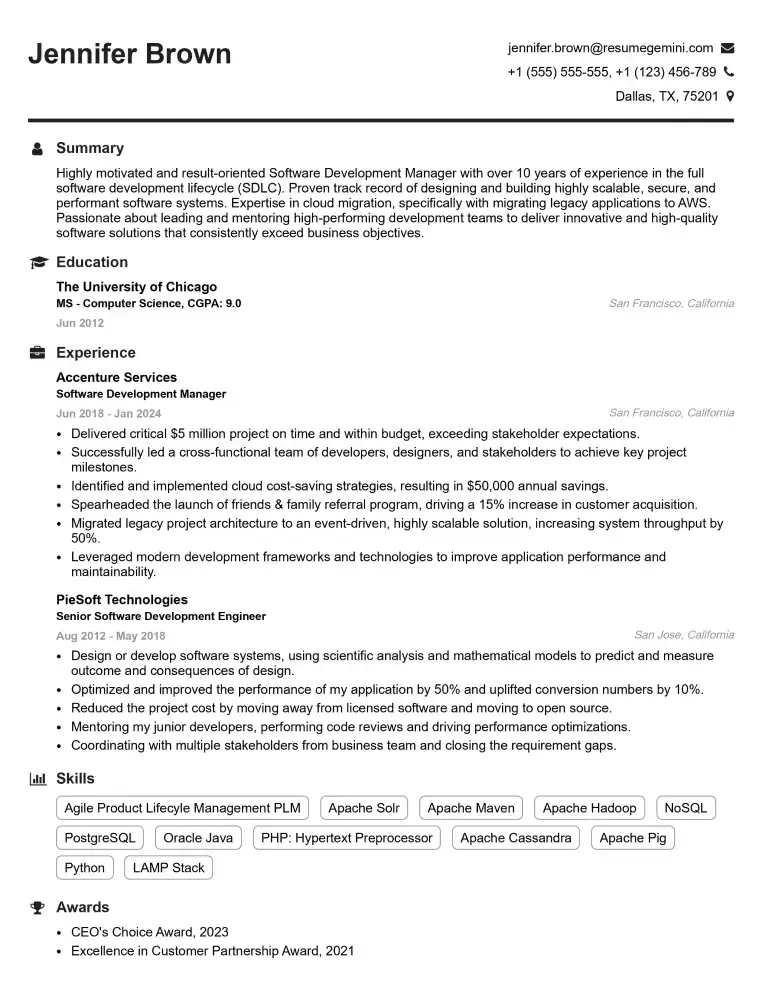
Elevate your job search with our premium resume templates. Here is an amazing resume template that can be used to build a professional and elegant resume. You can build a resume from scratch or revamp your existing resume. Impress hiring managers and secure your next opportunity.
- Top 50 Most Common Interview Questions
- The Psychology of a Great Resume: Hacks to Impress Recruiters
- What Mistakes to Avoid When Writing a Resume: A Comprehensive Guide
- Elevate Your Career with Expert Resume Building: Introducing ResumeGemini
- How to Write a Resume Using Google Gemini: Step-by-Step Guide