





In today’s competitive job market, it’s more important than ever to have a resume that stands out from the crowd. But what if you’re making common mistakes that are costing you interviews? Keep reading to uncover 7 fatal resume mistakes you could be making and learn how to fix them.
The Fatal Resume Mistake of Focusing on Quantity Over Quality
Many job seekers make the mistake of trying to cram as much information as possible onto their resumes. However, this can often backfire, making your resume difficult to read and understand. Instead, focus on highlighting your most relevant skills and experiences. Use concise language and avoid unnecessary details.
The Fatal Resume Mistake of Using Outdated or Irrelevant Information
Your resume should be up-to-date and relevant to the jobs you’re applying for. If you’ve been out of the workforce for a while, be sure to include a brief explanation of your absence. And if you’re changing careers, tailor your resume to highlight the skills and experiences that are most relevant to your new field.
The Fatal Resume Mistake of Neglecting to Proofread Your Resume
A poorly proofread resume is a surefire way to turn off potential employers. Make sure to carefully check your resume for any errors in grammar, spelling, or punctuation. You can also ask a friend or family member to review your resume before you submit it.
The Fatal Resume Mistake of Lying or Exaggerating on Your Resume
It’s tempting to stretch the truth on your resume, but it’s never a good idea. If you’re caught lying or exaggerating, you could lose out on the job. Be honest and accurate in your resume, and focus on highlighting your genuine skills and experiences.
The Fatal Resume Mistake of Using a Generic or Unoriginal Resume
Your resume should be unique and tailored to your individual strengths. Don’t use a generic template or copy someone else’s resume. Instead, take the time to create a resume that showcases your unique skills and experiences.
The Fatal Resume Mistake of Not Tailoring Your Resume to Specific Job Descriptions
When you’re applying for a job, it’s important to tailor your resume to the specific job description. Make sure to highlight the skills and experiences that are most relevant to the job you’re applying for. You can also use keywords from the job description in your resume.
The Fatal Resume Mistake of Not Including a Call to Action
Your resume should include a call to action, such as “Contact me for an interview” or “Visit my website for more information.” This will encourage potential employers to take the next step and contact you.
Additional Tips for Writing a Standout Resume
In addition to avoiding the mistakes mentioned above, there are a few other things you can do to write a standout resume:
- Use strong action verbs to describe your skills and experiences.
- Quantify your accomplishments whenever possible. For example, instead of saying “Managed a team of employees,” say “Managed a team of 10 employees and increased sales by 15%.”
- Use a professional font and layout. Your resume should be easy to read and visually appealing.
- Keep your resume concise. Recruiters typically spend only a few seconds scanning a resume, so make sure yours is concise and easy to skim.
By following these tips, you can create a resume that will get you noticed and land you the interviews you want.
Need help writing a standout resume? Check out ResumeGemini. Our resume builder offers premium, ATS-friendly, customizable resume templates with over 3.6 million content examples.
Career Expert Tips:
- Select the ideal resume template to showcase your professional experience effectively.
- Master the art of resume writing to highlight your unique qualifications and achievements.
- Checkout the resume writing tips for guidance and best practices.
- Make your 2025 brighter with a new job. Build a powerful resume with ResumeGemini and save big, enjoy exclusive discounts on premium templates.
Frequently Asked Questions (FAQ’s)
How do I avoid making common resume mistakes?
To avoid common resume mistakes, it’s crucial to pay attention to details, proofread carefully, and seek feedback. Eliminate any errors in grammar, spelling, or punctuation. Remember, a resume is a reflection of your professionalism, so it should showcase your attention to detail.
- Proofread thoroughly to eliminate any errors.
- Ask a friend or family member to review your resume and provide feedback.
- Use a resume builder like ResumeGemini to create a professional-looking resume.
How do I proofread my resume for errors?
Proofreading your resume is an essential step to avoid any mistakes. Here are some tips:
- Read your resume aloud to identify any awkward phrasing or errors.
- Check for consistency in formatting, font, and font size throughout your resume.
- Use a spell checker and grammar checker to catch any errors.
How can I make my resume more relevant to specific job descriptions?
Tailoring your resume to each job description is key to improving your chances of getting noticed. Here’s how you can do it:
- Carefully read and analyze the job description to identify the required skills and qualifications.
- Highlight relevant experiences and skills in your resume that align with the job requirements.
- Use keywords from the job description throughout your resume, especially in the summary and skills sections.
How can I write a standout resume that will get noticed?
To create a standout resume that will impress recruiters, consider these tips:
- Start with a strong and concise professional summary that showcases your key skills and accomplishments.
- Quantify your accomplishments whenever possible to demonstrate the impact of your contributions.
- Use action verbs and industry-specific keywords to highlight your abilities and experiences.
- Consider adding a skills section that lists your technical and soft skills relevant to the job you’re applying for.
What are the biggest resume red flags that I should avoid?
Certain mistakes can raise red flags for recruiters, including:
- Typos, grammatical errors, and formatting inconsistencies: These errors can create a negative impression and make it difficult for recruiters to take your application seriously.
- Lack of focus and clarity: Your resume should be tailored to the specific job you’re applying for, highlighting relevant skills and experiences. Avoid including irrelevant information or rambling on about unrelated topics.
- Exaggerations or false claims: Honesty and integrity are crucial in resume writing. Avoid making false claims or exaggerating your accomplishments, as this can damage your credibility.
What are the most common resume mistakes that recruiters see?
Recruiters often encounter common mistakes on resumes, such as:
- Using generic or outdated language: Avoid using clichés or phrases that are commonly found on resumes. Instead, use specific and compelling language that showcases your unique skills and experiences.
- Including irrelevant information: Stick to including information that is relevant to the job you’re applying for. Avoid cluttering your resume with unnecessary details or personal information.
- Poor formatting and design: A visually appealing and well-organized resume can make a positive impact. Avoid using excessive formatting elements or creating a cluttered layout.
How can I write a resume that will pass the ATS scan?
To ensure your resume passes the ATS (Applicant Tracking System) scan, consider the following tips:
- Use keywords: Identify relevant keywords from the job description and incorporate them into your resume, especially in the summary, skills, and experience sections.
- Choose an ATS-friendly format: Use a simple and clean resume template that is easy for ATS systems to parse. Avoid using tables, images, or other design elements that can interfere with the scan.
- Optimize file type: Save your resume in a widely accepted file format, such as PDF or Word document.
What are the most important things to include on a resume?
The most important elements to include on your resume are:
- Contact information: Make sure your name, address, phone number, and email address are clearly displayed.
- Professional summary: Write a concise and compelling summary that highlights your key skills, experiences, and career goals.
- Work experience: List your relevant work experience in reverse chronological order, starting with your most recent position. For each role, include the company name, job title, dates of employment, and a brief description of your responsibilities and accomplishments.
- Education: List your educational qualifications, including the degree, institution, and dates of attendance.
- Skills: Create a skills section that showcases your technical and soft skills relevant to the job you’re applying for.
Next Step:
Now that you know the common resume mistakes to avoid and how to improve your resume, it’s time to take action. Use a professional resume builder like ResumeGemini to create a polished and ATS-friendly resume. With ResumeGemini’s customizable templates, industry-specific content examples, and expert guidance, you can create a standout resume that will get you noticed and land you your dream job.
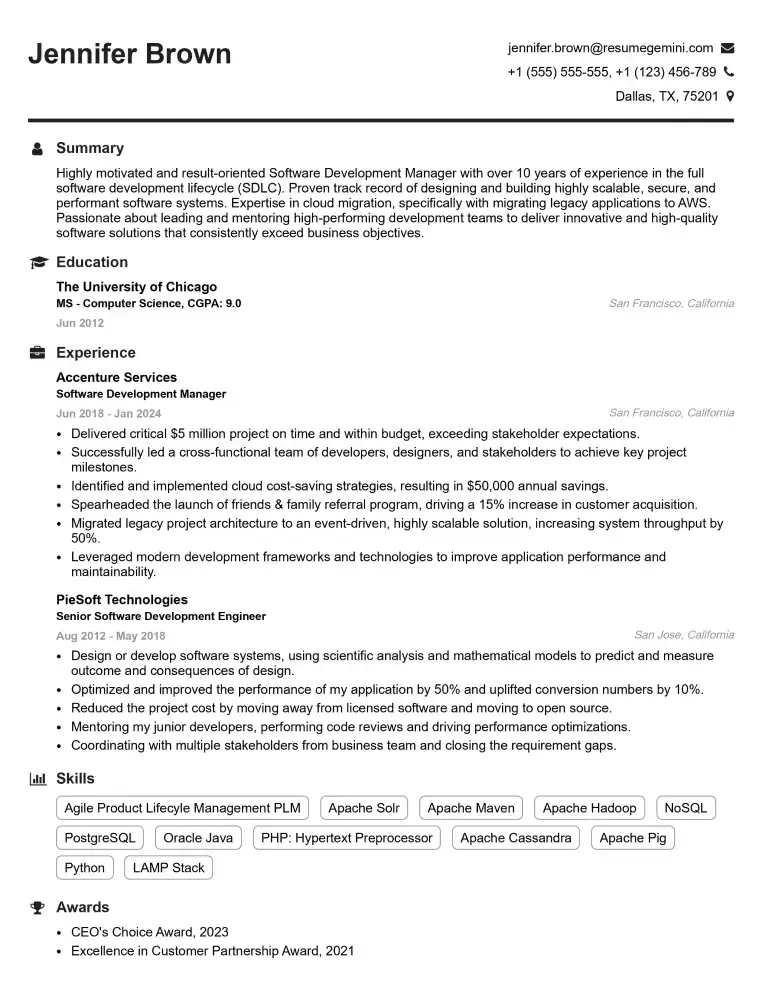
Elevate your job search with our premium resume templates. Here is an amazing resume template that can be used to build a professional and elegant resume. You can build a resume from scratch or revamp your existing resume. Impress hiring managers and secure your next opportunity.
- Top 50 Most Common Interview Questions
- The Psychology of a Great Resume: Hacks to Impress Recruiters
- What Mistakes to Avoid When Writing a Resume: A Comprehensive Guide
- Elevate Your Career with Expert Resume Building: Introducing ResumeGemini
- How to Write a Resume Using Google Gemini: Step-by-Step Guide