





Navigating your mid-career can be a transformative journey, filled with both challenges and opportunities. If you’re an experienced professional seeking to elevate your career to new heights, this blog is your roadmap to success. We’ve compiled 10 expert tips tailored specifically to empower mid-career professionals like you to achieve your goals and unlock your full potential.
Highlight Transferable Skills
When transitioning to a new career, it’s essential to showcase your transferable skills—those that are applicable across industries and roles. Identify the skills you’ve developed in your previous experiences that align with your new aspirations. For instance, if you’re moving from a marketing role to a project management position, highlight your strategic thinking, communication, and stakeholder management abilities. Quantify your impact whenever possible, using metrics to demonstrate your effectiveness.
Quantify Your Impact
Numbers speak louder than words. Use data and metrics to quantify your impact in previous roles. This could include financial gains, increased productivity, improved customer satisfaction, or any other measurable results. For example, instead of simply stating “managed a team of engineers,” you could say “Led a team of 10 engineers, resulting in a 25% increase in project efficiency.” Quantifying your impact not only provides concrete evidence of your skills but also showcases your value to potential employers.
Network Strategically
Networking is crucial for career advancement at any stage, but particularly for mid-career professionals. Attend industry events, connect with professionals on LinkedIn, and join professional organizations to expand your network. Engage in meaningful conversations, offer assistance to others, and seek opportunities to learn from experienced professionals. Remember, networking is a two-way street, so be willing to give as much as you receive.
Upskill and Reskill
Continuous learning is key to staying competitive and relevant in today’s job market. Pursue certifications, training, or workshops to enhance your qualifications and acquire new skills that align with your career goals. This demonstrates your commitment to professional development and shows potential employers that you’re eager to embrace new challenges.
Rebrand Your Resume
Your resume is your marketing document, so make sure it reflects your new career aspirations. Tailor your resume to align with the specific requirements of your target industry and job titles. Use keywords relevant to your desired roles, highlight transferable skills, and quantify your impact. Consider using a professional resume builder like ResumeGemini to create a polished and ATS-friendly resume that will get you noticed by recruiters.
Career Expert Tips:
- Select the ideal resume template to showcase your professional experience effectively.
- Master the art of resume writing to highlight your unique qualifications and achievements.
- Checkout the resume writing tips for guidance and best practices.
- Make your 2025 brighter with a new job. Build a powerful resume with ResumeGemini and save big, enjoy exclusive discounts on premium templates.
Frequently Asked Questions (FAQ’s)
How do I make my resume stand out in a competitive job market?
In a competitive job market, it is essential to create a resume that stands out. Here are some tips:
- Use keywords: Identify relevant keywords from the job description and incorporate them throughout your resume. This helps applicant tracking systems (ATS) and recruiters quickly find your resume.
- Quantify your accomplishments: Use specific numbers and metrics to demonstrate the impact of your work. For example, instead of saying “Managed a team,” you could say “Led a team of 10 engineers, resulting in a 20% increase in productivity.”
- Highlight transferable skills: Emphasize skills that are relevant to the job you’re applying for, even if you gained them in a different industry or role.
- Use a professional template and design: A well-designed resume will make a good first impression. Consider using ResumeGemini to create a professional and ATS-friendly resume that showcases your skills and experience.
What are the key differences between a resume for an entry-level professional and a mid-career professional?
Mid-career professionals have more experience and accomplishments to highlight on their resumes compared to entry-level professionals.
- Length: Mid-career resumes can be longer than entry-level resumes, as they need to capture more experience and skills.
- Experience: Mid-career resumes focus on highlighting relevant work experience, including accomplishments and quantifiable results.
- Skills: Mid-career professionals have a wider range of skills and expertise to showcase, including both hard and soft skills.
- Formatting: Mid-career resumes often use a more professional and polished formatting style.
How do I highlight transferable skills on my resume?
Transferable skills are skills that can be applied to multiple roles or industries. To highlight transferable skills on your resume:
- Identify transferable skills: Make a list of skills that you have that are relevant to the job you’re applying for, even if you gained them in a different role or industry.
- Use keywords: Incorporate keywords from the job description into your resume to highlight your transferable skills.
- Provide examples: Use specific examples to demonstrate how you have used your transferable skills in the past.
What are the most common challenges faced by mid-career professionals when changing careers?
Mid-career professionals may face some challenges when changing careers, including:
- Lack of experience: You may need to gain additional experience or skills to qualify for a new career.
- Ageism: Some employers may have biases against older workers.
- Competition: You may be competing with younger candidates who have more up-to-date skills and experience.
How do I overcome ageism or bias in the job search?
To overcome ageism or bias in the job search:
- Highlight your skills and experience: Focus on highlighting your transferable skills and relevant experience in your resume, cover letter, and interviews.
- Network: Attend industry events and connect with people in your desired field to learn about opportunities.
- Be confident: Don’t let ageism or bias discourage you. Believe in your abilities and present yourself confidently.
What are the best strategies for networking as a mid-career professional?
Networking is an important part of a successful job search for mid-career professionals. Here are some tips:
- Attend industry events: Attend conferences, workshops, and other industry events to connect with people in your field.
- Join professional organizations: Join professional organizations related to your industry to network with other professionals.
- Use social media: Use LinkedIn and other social media platforms to connect with potential employers and industry professionals.
- Reach out to your network: Reach out to your existing network of friends, family, and former colleagues to see if they know of any opportunities.
Next Step:
With these valuable tips, you can create a standout mid-career resume that will help you advance your career to new heights. Remember to tailor your resume to each job you apply for, and be confident in your abilities.
Start building your professional resume today with ResumeGemini. Our ATS-friendly templates, customizable sections, and personalized recommendations will empower you to create a winning resume that showcases your experience and skills.
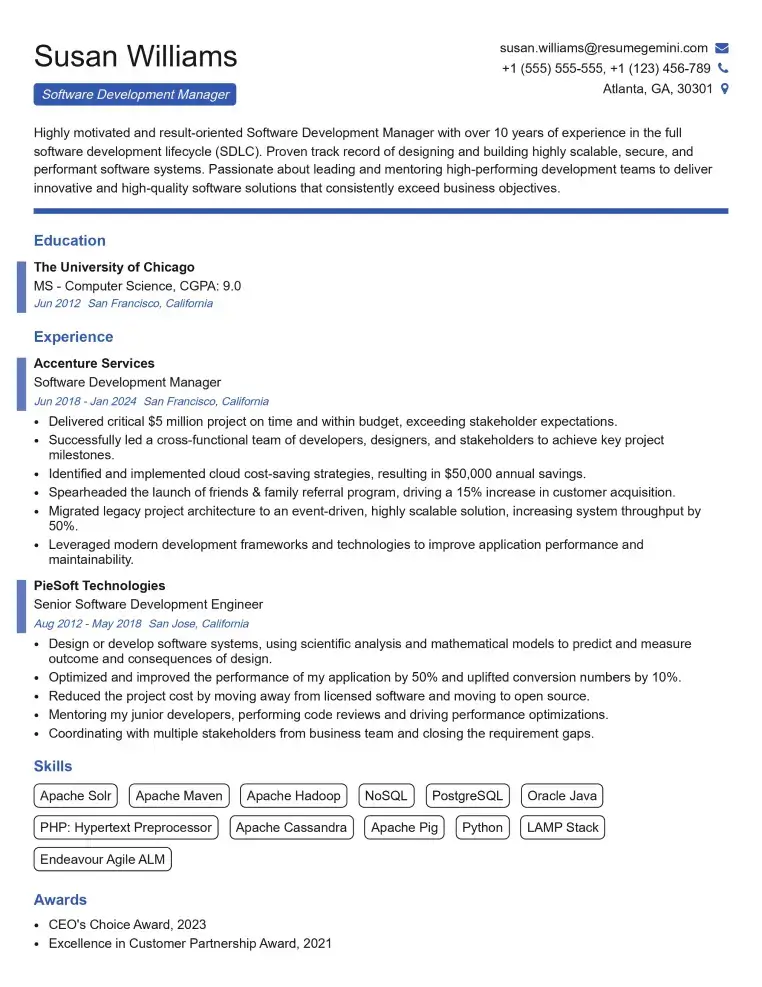
Elevate your job search with our premium resume templates. Here is an amazing resume template that can be used to build a professional and elegant resume. You can build a resume from scratch or revamp your existing resume. Impress hiring managers and secure your next opportunity.
- Top 50 Most Common Interview Questions
- The Psychology of a Great Resume: Hacks to Impress Recruiters
- What Mistakes to Avoid When Writing a Resume: A Comprehensive Guide
- Elevate Your Career with Expert Resume Building: Introducing ResumeGemini
- How to Write a Resume Using Google Gemini: Step-by-Step Guide