





In today’s competitive job market, it’s not enough to simply send out a generic resume and hope for the best. You need to craft a compelling cover letter that will make you stand out from the crowd and land you the interview. But writing a great cover letter can be a daunting task, especially if you’re not sure where to start.
Choosing the Right Template for Your Industry and Role
The first step to writing a great cover letter is choosing the right template. There are many different templates available online, but not all of them are created equal. Some templates are designed for specific industries or roles, while others are more general. When choosing a template, it’s important to consider the following factors:
- The industry you’re applying to. Different industries have different norms and expectations when it comes to cover letters. For example, a cover letter for a job in finance will typically be more formal than a cover letter for a job in marketing.
- The role you’re applying for. The cover letter should be tailored to the specific role you’re applying for. Highlight the skills and experience that are most relevant to the job description.
- Your personal style. The cover letter should reflect your personal style and brand. Choose a template that you feel comfortable with and that showcases your personality.
Writing a Compelling Opening Paragraph that Grabs Attention
The opening paragraph of your cover letter is your chance to make a great first impression. It’s important to grab the reader’s attention and make them want to learn more about you. Here are a few tips for writing a compelling opening paragraph:
- Start with a strong hook. This could be a quote, a statistic, or a personal anecdote. The goal is to grab the reader’s attention and make them want to read more.
- State your purpose clearly. In the first few sentences, you should state why you’re writing the letter and what job you’re applying for. Don’t be afraid to be specific.
- Show your enthusiasm. The reader should be able to tell that you’re excited about the job and the company. Use positive language and express your enthusiasm for the opportunity.
Highlighting Skills and Experience Relevant to the Job Description
The body of your cover letter should highlight your skills and experience that are most relevant to the job description. Be specific and provide examples of your work whenever possible. Here are a few tips for highlighting your skills and experience:
- Use keywords. When describing your skills and experience, use keywords that are relevant to the job description. This will help your cover letter get noticed by applicant tracking systems (ATS) and make it more likely to be seen by a human recruiter.
- Quantify your accomplishments. Whenever possible, quantify your accomplishments to show the impact of your work. For example, instead of saying “I managed a team of customer service representatives,” you could say “I managed a team of customer service representatives and reduced customer complaints by 25%.”
- Use action verbs. When describing your skills and experience, use strong action verbs. This will help your cover letter sound more dynamic and engaging.
Quantifying Accomplishments to Showcase Impact
As mentioned above, quantifying your accomplishments is a great way to show the impact of your work. Here are a few examples of how to quantify your accomplishments:
- “Increased sales by 15% in one year.”
- “Reduced customer complaints by 25%.”
- “Launched a new product that generated $1 million in revenue.”
When quantifying your accomplishments, be sure to use specific numbers and metrics. This will help your accomplishments sound more credible and impressive.
Closing with a Strong Call to Action
The closing paragraph of your cover letter is your chance to leave a lasting impression and encourage the reader to take action. Here are a few tips for writing a strong closing paragraph:
- Restate your interest in the job. In the first sentence of the closing paragraph, restate your interest in the job and the company. You can also reiterate your key skills and experience.
- Call to action. Encourage the reader to take action, such as inviting them to interview you or visit your website. Be specific and clear about what you want the reader to do.
- Thank the reader. End the cover letter by thanking the reader for their time and consideration. This shows that you’re appreciative and that you’re genuinely interested in the job.
Resume Writing Tips
Beyond Templates and Cover Letters
In addition to using professional cover letter templates, consider the following tips to improve your overall resume and job applications:
- ResumeGemini offers 45,000+ resume samples, each tailored to a specific job title. Browse our library to find a sample that matches your industry and experience level, and customize it to highlight your unique skills and qualifications.
- Emphasize Keywords. Applicant Tracking Systems (ATS) rely on keywords to identify relevant resumes. Make sure to include industry-specific keywords throughout your resume and cover letter to increase your chances of getting noticed.
- Proofread Carefully. Before submitting your resume and cover letter, proofread them carefully for any errors in grammar, spelling, or formatting. A well-written and polished application demonstrates your attention to detail and professionalism.
- Showcase Quantifiable Results. Whenever possible, use numbers and metrics to quantify your accomplishments and demonstrate the impact of your work. This helps recruiters and hiring managers quickly assess your contributions and value.
- Use Strong Action Verbs. Use strong action verbs to describe your skills and experience. This makes your resume more dynamic and engaging, and it helps you stand out from other candidates.
- Highlight Your Transferable Skills. If you’re changing careers or industries, emphasize transferable skills that are relevant to the new role. This shows potential employers that you have the necessary abilities to succeed, even if you don’t have direct experience in the field.
- Customize Each Application. Tailor your resume and cover letter to each specific job application. Highlight the skills and experience that are most relevant to the role, and demonstrate how you can add value to the organization.
- Get Feedback. Ask a friend, family member, or career counselor to review your resume and cover letter and provide feedback. This can help you identify areas for improvement and ensure that your application is strong and effective.
Career Expert Tips:
- Select the ideal resume template to showcase your professional experience effectively.
- Master the art of resume writing to highlight your unique qualifications and achievements.
- Checkout the resume writing tips for guidance and best practices.
- Make your 2025 brighter with a new job. Build a powerful resume with ResumeGemini and save big, enjoy exclusive discounts on premium templates.
Frequently Asked Questions (FAQ’s)
How to write a cover letter that complements my resume?
A well-written cover letter is a great way to highlight your skills and experiences and show potential employers why you’re the perfect fit for the job. It’s also a chance to expand on your resume and provide more detail about your qualifications. To write a cover letter that complements your resume, follow these tips:
- Start with a strong opening paragraph. Your opening paragraph should grab the reader’s attention and make them want to learn more about you. In this paragraph, you should introduce yourself, state the position you’re applying for, and briefly explain why you’re interested in the job.
- Highlight your most relevant skills and experiences. In the body of your cover letter, you should highlight the skills and experiences that are most relevant to the job you’re applying for. Be sure to use specific examples to illustrate your skills and experiences.
- Use action verbs. When describing your skills and experiences, use action verbs to make your writing more dynamic. For example, instead of saying “I worked on a team,” you could say “I led a team of five people to develop a new product.”
- Keep it concise. Your cover letter should be concise and to the point. Aim for a length of one page, or no more than two pages if you have a lot of relevant experience to share.
- Proofread carefully. Before submitting your cover letter, proofread it carefully for any errors in grammar, spelling, or punctuation. You can also ask a friend or family member to review your cover letter for you.
What are the essential elements of a successful cover letter?
The essential elements of a successful cover letter include:
- A strong opening paragraph that grabs the reader’s attention and makes them want to learn more about you.
- A body that highlights your most relevant skills and experiences.
- A closing paragraph that summarizes your qualifications and expresses your interest in the job.
- A professional tone and appearance.
How to tailor my cover letter to different job applications?
To tailor your cover letter to different job applications, you need to highlight the skills and experiences that are most relevant to each job. You should also research the company and the specific job you’re applying for so that you can tailor your cover letter to their needs. Here are some tips for tailoring your cover letter:
- Read the job description carefully. The job description will tell you what the company is looking for in a candidate. Make sure to highlight the skills and experiences that match the job requirements.
- Research the company. Learn as much as you can about the company’s culture, values, and recent news. This will help you to write a cover letter that is relevant to the company’s needs.
- Use keywords. When writing your cover letter, use keywords from the job description and the company’s website. This will help your cover letter to get noticed by potential employers.
- Proofread carefully. Before submitting your cover letter, proofread it carefully for any errors in grammar, spelling, or punctuation. You can also ask a friend or family member to review your cover letter for you.
How to write a cover letter that stands out from the crowd?
To write a cover letter that stands out from the crowd, you need to do more than just list your skills and experiences. You need to tell a story that shows potential employers why you’re the best person for the job. Here are some tips for writing a cover letter that stands out from the crowd:
- Start with a hook. Your opening paragraph should grab the reader’s attention and make them want to learn more about you. You can do this by telling a story, sharing a statistic, or asking a question.
- Use specific examples. When describing your skills and experiences, use specific examples to illustrate your points. This will help potential employers to see what you’re capable of and how you can benefit their company.
- Show your passion. Let your passion for the job and the company shine through in your cover letter. This will help potential employers to see that you’re genuinely interested in the position and that you’re not just applying for every job that you can find.
- Proofread carefully. Before submitting your cover letter, proofread it carefully for any errors in grammar, spelling, or punctuation. You can also ask a friend or family member to review your cover letter for you.
What are the common mistakes to avoid in cover letter writing?
Some of the most common mistakes to avoid in cover letter writing include:
- Typos and grammatical errors. Typos and grammatical errors can make your cover letter look sloppy and unprofessional. Proofread your cover letter carefully before submitting it.
- Generic cover letters. Generic cover letters are not tailored to the specific job you’re applying for. Take the time to tailor your cover letter to each job you apply for.
- Lack of focus. Your cover letter should be focused on the job you’re applying for. Don’t try to cram too much information into your cover letter.
- Negative tone. Your cover letter should be positive and upbeat. Don’t complain about your previous job or talk about how you’re desperate for a job.
- Unprofessional language. Your cover letter should be written in a professional tone. Avoid using slang, contractions, or personal pronouns.
How to choose best cover letter template?
When choosing a cover letter template, there are a few things you should keep in mind. First, consider the industry you’re applying to. Some industries have specific cover letter formats that are preferred. For example, the financial industry typically uses a more formal cover letter format than the creative industry. Next, consider your personal style. Some cover letter templates are more traditional, while others are more modern. Choose a template that reflects your personal style and the industry you’re applying to. Finally, make sure the cover letter template you choose is easy to read and understand. The template should be formatted in a way that makes it easy for potential employers to scan your cover letter and find the information they’re looking for.
Next Step:
Elevate your job applications with ResumeGemini’s professional cover letter templates! Our templates are designed to help you land interviews and get the job you want. With ResumeGemini, you can:
- Choose from 10 professional cover letter templates
- Customize your cover letter with your own text, fonts, and colors
- Download your cover letter as a PDF or Word document
- Get started for free today!
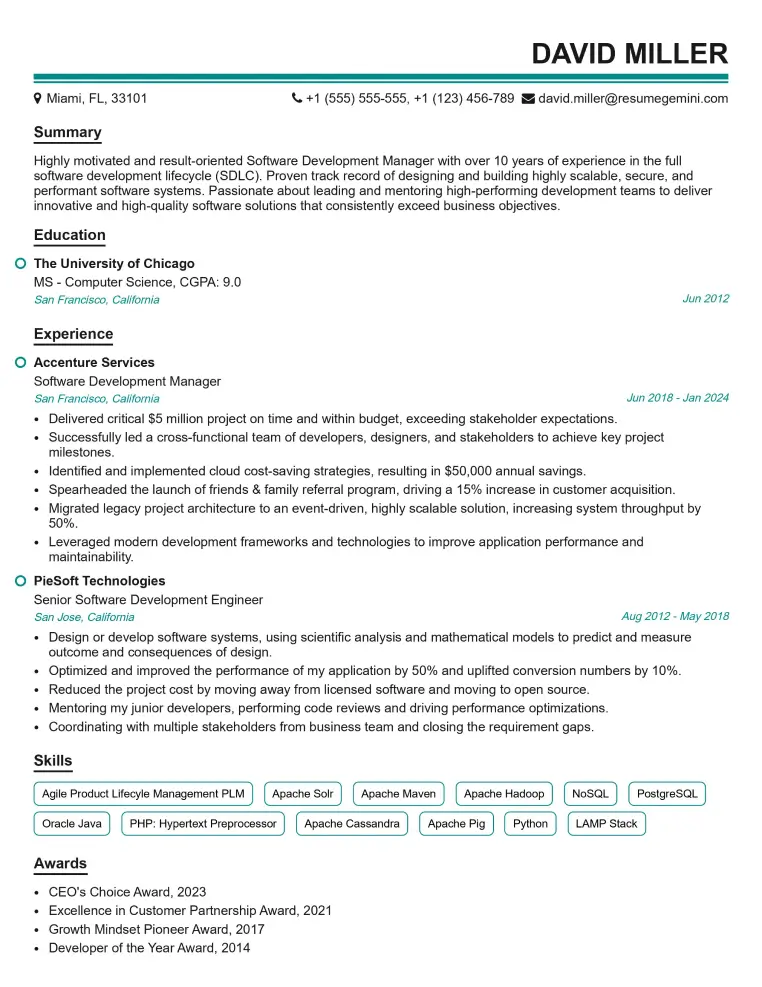
Elevate your job search with our premium resume templates. Here is an amazing resume template that can be used to build a professional and elegant resume. You can build a resume from scratch or revamp your existing resume. Impress hiring managers and secure your next opportunity.
- Top 50 Most Common Interview Questions
- The Psychology of a Great Resume: Hacks to Impress Recruiters
- What Mistakes to Avoid When Writing a Resume: A Comprehensive Guide
- Elevate Your Career with Expert Resume Building: Introducing ResumeGemini
- How to Write a Resume Using Google Gemini: Step-by-Step Guide