





As a recent graduate, crafting a standout resume CV is crucial for landing your dream job. However, there are certain pitfalls that you should avoid to ensure your application makes a lasting impact. Here’s a comprehensive guide to 10 resume CV mistakes that you must steer clear of.
Excessive Length and Irrelevant Information
Keep your resume concise and focused, typically around one page. Avoid cluttering it with unnecessary details or irrelevant experiences. Recruiters often have limited time to review resumes, so make sure yours is easy to skim and highlights your most relevant qualifications.
Vague or Incomplete Descriptions of Experience
Provide specific and quantifiable details of your experiences. Use action verbs to describe your responsibilities and accomplishments. Avoid using vague or generic language that fails to showcase your skills and impact. Remember, recruiters want to know what you’ve done and how you’ve contributed.
Neglecting to Proofread Carefully
Proofread your resume thoroughly before submitting it. Typos, grammatical errors, and formatting inconsistencies can create a negative impression. Ask a friend, family member, or career counselor to review your resume for an extra set of eyes.
Lack of Customization and Tailoring
Customize your resume for each job you apply to. Highlight the skills and experiences that are most relevant to the specific position. Tailor your resume to the company’s culture and industry to demonstrate your genuine interest and understanding of the role.
Overlooked Formatting and Design
Pay attention to the formatting and design of your resume. Use clear and professional fonts, appropriate section headings, and consistent spacing. A well-formatted resume is easier to read and visually appealing, increasing the chances of it getting noticed.
Underutilized Keywords and Action Verbs
Incorporate industry-specific keywords and action verbs throughout your resume. Use terms that potential employers are likely to search for when reviewing resumes. Action verbs convey your accomplishments and demonstrate your skills and abilities.
Insufficient Quantification of Accomplishments
Don’t just list your responsibilities – quantify your accomplishments whenever possible. Use numbers and metrics to demonstrate the impact of your work. For example, instead of saying “Managed social media accounts,” you could write “Increased social media engagement by 25% over a 6-month period.”
Lack of Focus on Transferable Skills
Highlight transferable skills that are relevant to the job you’re applying for, even if they were gained outside of a traditional work environment. For example, leadership skills developed through volunteer work or extracurricular activities can be valuable assets in many roles.
Outdated or Unprofessional Language
Use professional and up-to-date language throughout your resume. Avoid slang, jargon, or overly casual language. Keep your tone objective and focus on presenting your qualifications in a formal and respectful manner.
Unprofessional Email Address
Use a professional email address for all job-related correspondence. Avoid using email addresses with nicknames, numbers, or inappropriate language. Create a professional email address that is easy to remember and conveys a sense of professionalism.
These are just a few of the common resume CV mistakes that recent graduates should avoid. By carefully avoiding these pitfalls, you can create a strong and impressive application that will help you stand out from the competition and secure the job interviews you deserve.
Ready to craft an impressive resume that showcases your skills and experience? Head over to ResumeGemini and explore our suite of professional resume templates, tailored to help recent graduates like you land their dream jobs.
Career Expert Tips:
- Select the ideal resume template to showcase your professional experience effectively.
- Master the art of resume writing to highlight your unique qualifications and achievements.
- Checkout the resume writing tips for guidance and best practices.
- Make your 2025 brighter with a new job. Build a powerful resume with ResumeGemini and save big, enjoy exclusive discounts on premium templates.
Frequently Asked Questions (FAQ’s)
What are the most common resume CV mistakes made by recent graduates?
As a recent graduate, crafting an impressive resume CV is crucial, but it can be a daunting task. To ensure your application stands out and makes a lasting impression, it’s essential to avoid common pitfalls that could hinder your chances of success. Here are some of the most prevalent mistakes to watch out for:
- Lack of focus and clarity: Your resume should be a concise and well-organized document that clearly highlights your skills, experience, and qualifications. Avoid cluttering it with irrelevant information or unnecessary details that detract from your key selling points.
- Generic and unoriginal content: Your resume should be tailored to each job description you apply for, showcasing how your unique abilities align with the specific requirements of the role. Using generic templates or buzzwords without providing concrete examples or quantifiable results can make your resume appear uninspired and impersonal.
- Typos and grammatical errors: Even minor typos or grammatical errors can undermine the professionalism and credibility of your resume. Carefully proofread your document multiple times before submitting it to ensure it is polished and error-free.
- Exaggerating or fabricating experience or qualifications: It’s understandable to want to present yourself in the best possible light, but it’s crucial to be honest and transparent about your experience and qualifications. Exaggerating or fabricating information will not only damage your credibility but could also have legal consequences.
- Including irrelevant or outdated information: Your resume should focus on your most recent and relevant experience and skills. Including outdated or irrelevant information can make it difficult for recruiters to quickly identify your key strengths and may lead them to overlook your application.
- Poor formatting and design: The visual appeal of your resume matters. Choose a professional and visually appealing template that is easy to read and navigate. Avoid using excessive colors, fonts, or graphics that can be distracting or unprofessional.
How can I avoid making my resume too long or irrelevant?
Striking the right balance between providing comprehensive information and keeping your resume concise is essential. Here are some tips to help you avoid creating a resume that is too long or irrelevant:
- Focus on the most relevant experience and skills: Tailor your resume to each job description you apply for, highlighting the specific skills and experience that are most relevant to the role. This will help you avoid including unnecessary or outdated information that may not be of interest to the recruiter.
- Use concise and action-oriented language: Describe your experience and skills using clear, concise, and action-oriented language. Avoid using vague or generic terms that do not effectively convey your accomplishments or contributions.
- Quantify your accomplishments whenever possible: Whenever possible, use numbers and metrics to quantify your accomplishments and demonstrate the impact of your work. This will make your resume more specific and credible, and it will help recruiters understand the value you can bring to their organization.
- Consider using a one-page resume: For recent graduates with limited experience, a one-page resume may be sufficient to effectively showcase your skills and qualifications. This will help you avoid including unnecessary or irrelevant information and keep your resume focused and easy to read.
- Get feedback from others: Ask a trusted friend, family member, or career counselor to review your resume and provide feedback. They can help you identify any areas that may be too long or irrelevant, and they can offer suggestions for improvement.
What techniques can I use to effectively proofread my resume?
Proofreading your resume carefully is crucial to ensure it is error-free and polished. Here are some techniques you can use to effectively proofread your resume:
- Read your resume aloud: Reading your resume aloud can help you catch errors that you may not notice when reading silently. Pay attention to the flow and rhythm of the language, and listen for any awkward phrasing or grammatical errors.
- Use a spell checker and grammar checker: While spell checkers and grammar checkers can be helpful, it’s important to note that they are not always foolproof. Relying solely on these tools may not be enough to catch all errors, so it’s still essential to proofread your resume carefully on your own.
- Take breaks while proofreading: Proofreading can be tiring, especially if you’re doing it for a long period of time. Taking breaks while proofreading will help you stay focused and avoid missing errors.
- Ask someone else to proofread your resume: Having someone else proofread your resume can be a valuable way to catch errors that you may have missed. Ask a trusted friend, family member, or career counselor to review your resume and provide feedback.
- Print out your resume and proofread it: Sometimes, it can be easier to spot errors when you’re looking at a printed copy of your resume. Print out your resume and proofread it carefully, paying attention to the overall layout and formatting.
Why is it important to tailor my resume to each job description?
Tailoring your resume to each job description demonstrates your interest in the specific role and organization, and it increases your chances of making a strong impression on the recruiter. Here are some reasons why it is important to tailor your resume to each job description:
- Highlight your most relevant skills and experience: By tailoring your resume to each job description, you can highlight the skills and experience that are most relevant to the role. This will help you stand out from other candidates and show the recruiter that you have the qualifications they are looking for.
- Use keywords from the job description: Many recruiters use applicant tracking systems (ATS) to screen resumes. These systems scan resumes for specific keywords that are relevant to the job description. By including relevant keywords in your resume, you can improve your chances of getting your resume seen by a recruiter.
- Demonstrate your interest in the role and organization: Taking the time to tailor your resume to each job description shows the recruiter that you are genuinely interested in the role and organization. It also shows that you are willing to put in the effort to make a good impression.
- Increase your chances of getting an interview: A well-tailored resume is more likely to get you noticed by a recruiter and land you an interview. By taking the time to tailor your resume to each job description, you can significantly increase your chances of getting your foot in the door.
How do I highlight my transferable skills without relevant work experience?
If you don’t have directly relevant work experience, you can still highlight your transferable skills on your resume. Transferable skills are skills that can be applied to a variety of jobs, regardless of industry or experience. Here are some tips for highlighting your transferable skills on your resume:
- Identify your transferable skills: Start by identifying your transferable skills. These are skills that you have developed through your education, volunteer experience, or personal projects. Some common transferable skills include communication, teamwork, problem-solving, and critical thinking.
- Use action verbs and specific examples: When describing your transferable skills, use action verbs and specific examples to demonstrate how you have used these skills in the past. For example, instead of simply saying “I am a good communicator,” you could say “Developed and delivered presentations to a variety of audiences, effectively communicating complex technical information.”
- Quantify your accomplishments whenever possible: Whenever possible, quantify your accomplishments to demonstrate the impact of your work. For example, instead of saying “I managed a team of volunteers,” you could say “Managed a team of 10 volunteers, resulting in a 20% increase in volunteer participation.”
- Use a skills section on your resume: In addition to including your transferable skills in your work experience section, you can also create a separate skills section on your resume. This will make it easy for recruiters to see all of your skills at a glance.
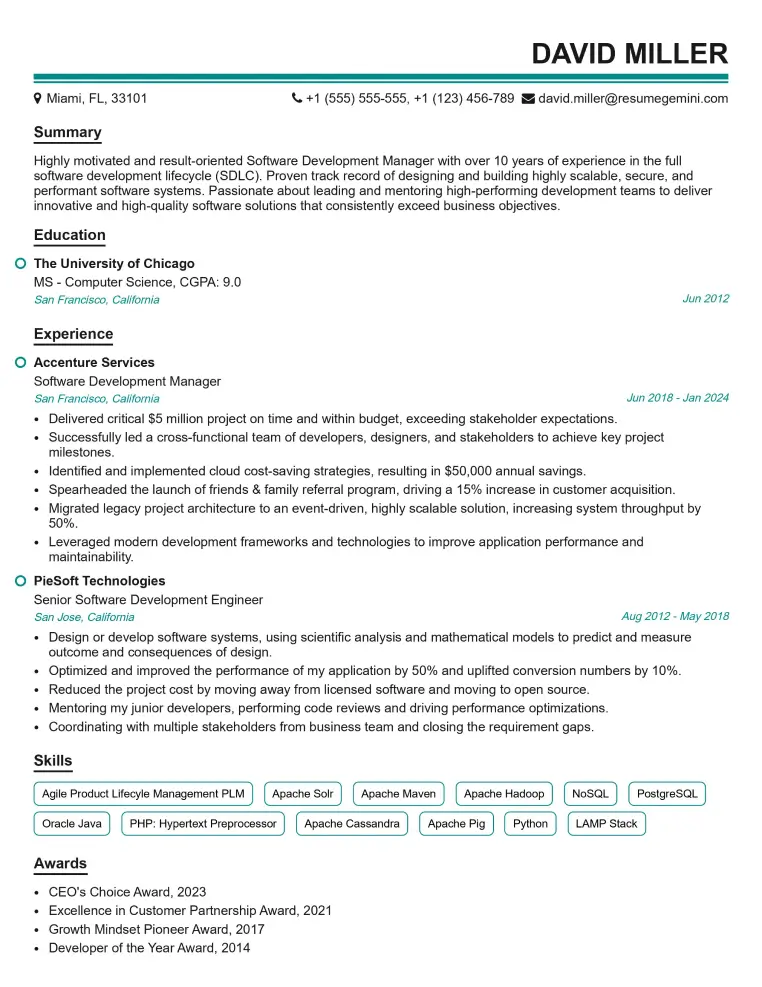
Elevate your job search with our premium resume templates. Here is an amazing resume template that can be used to build a professional and elegant resume. You can build a resume from scratch or revamp your existing resume. Impress hiring managers and secure your next opportunity.
- Top 50 Most Common Interview Questions
- The Psychology of a Great Resume: Hacks to Impress Recruiters
- What Mistakes to Avoid When Writing a Resume: A Comprehensive Guide
- Elevate Your Career with Expert Resume Building: Introducing ResumeGemini
- How to Write a Resume Using Google Gemini: Step-by-Step Guide