





As you embark on your job search journey in 2026, it’s more crucial than ever to ensure that your resume stands out from the crowd and makes a lasting impression on hiring managers. One of the most effective ways to achieve this is by tailoring your resume specifically for each job interview you attend.
Why It’s Crucial to Tailor Your Resume for Interviews
Tailoring your resume for an interview demonstrates to the hiring manager that you have taken the time to research the company, the position, and their specific needs. It shows that you’re genuinely interested in the role and that you possess the qualifications and experience they’re seeking. By customizing your resume, you can highlight your most relevant skills and accomplishments, ensuring that the hiring manager sees how you can add value to their team.
Researching the Company and Hiring Manager
Before tailoring your resume, it’s essential to conduct thorough research on the company and the hiring manager. Visit the company’s website, read their mission statement, and review their recent news and press releases. This will give you a good understanding of their culture, values, and priorities.
If possible, try to find out more about the hiring manager. Check their LinkedIn profile or search for their name online. This information can provide insights into their background, interests, and management style. By understanding the company and the hiring manager, you can tailor your resume to address their specific needs and expectations.
Matching Your Skills to the Job Requirements
Carefully review the job description and identify the key skills and qualifications required for the role. Then, highlight your most relevant skills and accomplishments on your resume. Use specific examples to demonstrate how you have applied these skills in the past and the positive outcomes you achieved. Quantifying your accomplishments with metrics and data whenever possible will add credibility to your resume and make it more impactful.
Highlighting Relevant Experience and Accomplishments
In the experience section of your resume, focus on highlighting projects, initiatives, and accomplishments that are directly relevant to the job you’re applying for. Use action verbs and specific details to describe your contributions and the impact you made. For instance, instead of simply writing “Managed a team of software engineers”, you could write “Successfully led a team of 10 software engineers in developing and launching a new mobile application, resulting in a 20% increase in user engagement.”
Using Keywords to Optimize Your Resume for ATS
Many companies use Applicant Tracking Systems (ATS) to screen resumes before they reach a human recruiter. ATSs scan resumes for specific keywords related to the job requirements. To ensure that your resume gets noticed by an ATS, incorporate relevant keywords throughout your resume, especially in the summary, skills section, and experience descriptions. However, avoid keyword stuffing, as this can damage the readability and credibility of your resume.
Incorporating Visual Elements and White Space
In addition to content, the visual appeal of your resume also plays a role in making a positive impression. Use visual elements such as bullet points, headings, and subheadings to improve readability and break up large blocks of text. White space is equally important as it helps guide the reader’s eye and creates a clean, professional look. By incorporating visual elements and white space, you can make your resume more visually appealing and easier to skim, which is crucial for busy hiring managers.
Proofreading and Fine-tuning for Clarity and Conciseness
Once you have tailored your resume, it’s essential to proofread it meticulously for any errors in grammar, spelling, or punctuation. A well-proofread resume demonstrates your attention to detail and professionalism. Additionally, strive for clarity and conciseness in your writing. Use specific language and avoid jargon or technical terms that might not be familiar to the hiring manager. Your resume should be easy to read and understand, so that the hiring manager can quickly assess your qualifications.
Common Tailoring Mistakes to Watch Out For
- Not Researching the Company: Failing to research the company and the hiring manager can lead to a generic resume that fails to address their specific needs.
- Including Irrelevant Information: Including irrelevant skills, experience, or accomplishments can clutter your resume and distract the hiring manager from your most relevant qualifications.
- Keyword Stuffing: Overusing keywords in an attempt to optimize your resume for ATS can make it appear unnatural and less credible.
- Formatting Errors: Inconsistent formatting or poor visual appeal can make your resume difficult to read and decrease its chances of making a positive impression.
- Lack of Quantified Accomplishments: Failing to provide specific metrics or data to support your accomplishments can weaken the impact of your resume.
Career Expert Tips:
- Select the ideal resume template to showcase your professional experience effectively.
- Master the art of resume writing to highlight your unique qualifications and achievements.
- Checkout the resume writing tips for guidance and best practices.
- Make your 2025 brighter with a new job. Build a powerful resume with ResumeGemini and save big, enjoy exclusive discounts on premium templates.
Frequently Asked Questions (FAQ’s)
How can I determine what to include in my tailored resume?
The first step in tailoring your resume for an interview is to carefully review the job description and identify the key qualifications and skills that the employer is seeking. Once you have a good understanding of the employer’s needs, you can begin to tailor your resume to highlight your most relevant skills and experience.
Here are a few tips for determining what to include in your tailored resume:
- Start with your strongest selling points. Your resume should immediately grab the attention of the hiring manager, so start with your most impressive accomplishments and qualifications.
- Highlight your relevant skills and experience. Make sure to highlight the skills and experience that are most relevant to the job you are applying for. Use keywords from the job description to make it easy for the hiring manager to see that you have the qualifications they are looking for.
- Quantify your accomplishments. Whenever possible, use numbers to quantify your accomplishments. This will help the hiring manager to see the impact of your work.
- Proofread carefully. Before you submit your resume, make sure to proofread it carefully for any errors. A well-written, error-free resume will make a positive impression on the hiring manager.
What are some effective ways to match my skills to the job description?
Here are a few effective ways to match your skills to the job description:
- Read the job description carefully. Take the time to read the job description and identify the key requirements.
- Make a list of your skills and experience. Write down a list of your skills and experience that are relevant to the job you are applying for.
- Match your skills to the job requirements. Go through your list of skills and experience and match them to the key requirements of the job.
- Highlight your most relevant skills in your resume and cover letter. Make sure to highlight your most relevant skills in your resume and cover letter so that the hiring manager can see that you have the qualifications they are looking for.
How do I optimize my resume for ATS without sacrificing clarity?
Here are a few tips for optimizing your resume for ATS without sacrificing clarity:
- Use a clean and concise font. ATS systems can have difficulty reading complex or decorative fonts, so it is best to use a clean and concise font such as Arial or Times New Roman.
- Use keywords from the job description. ATS systems use keywords to scan resumes, so make sure to include keywords from the job description in your resume.
- Use a standard resume format. ATS systems are designed to read resumes in a standard format, so make sure to use a standard resume format such as chronological or functional.
- Avoid using images or graphics. ATS systems can have difficulty processing images or graphics, so it is best to avoid using them in your resume.
What visual elements can I use to make my resume more visually appealing?
Here are a few visual elements that you can use to make your resume more visually appealing:
- Use different font sizes and styles. You can use different font sizes and styles to create a more visually appealing resume. For example, you can use a larger font size for your name and contact information, and a smaller font size for the rest of your resume.
- Use color. You can use color to highlight important information or to create a more visually appealing resume. For example, you can use color to highlight your skills, experience, or education.
- Use white space. White space is an important design element that can make your resume more visually appealing. White space can help to create a more organized and readable resume.
- Use images or graphics. You can use images or graphics to make your resume more visually appealing. For example, you can use a headshot or a company logo. However, it is important to use images or graphics sparingly and to make sure that they are high quality.
How do I strike a balance between detail and conciseness?
When tailoring your resume for an interview, it is important to strike a balance between detail and conciseness. You want to provide enough detail to demonstrate your skills and experience, but you also want to keep your resume concise and easy to read. Here are a few tips for striking a balance between detail and conciseness:
- Use bullet points. Bullet points are a great way to list your skills and experience in a concise and easy-to-read format.
- Use strong action verbs. When describing your skills and experience, use strong action verbs that convey your accomplishments.
- Quantify your accomplishments. Whenever possible, quantify your accomplishments to demonstrate the impact of your work.
- Proofread carefully. Before you submit your resume, make sure to proofread it carefully for any errors. A well-written, error-free resume will make a positive impression on the hiring manager.
What are the biggest mistakes to avoid when tailoring my resume?
Here are a few of the biggest mistakes to avoid when tailoring your resume for an interview:
- Don’t lie or exaggerate. It is important to be honest and accurate on your resume. Don’t lie or exaggerate your skills or experience, as this will only hurt you in the long run.
- Don’t use a generic resume. Your resume should be tailored to each job you apply for. Don’t use a generic resume that is not tailored to the specific requirements of the job.
- Don’t make it too long. Your resume should be concise and easy to read. Don’t make it too long or cluttered with unnecessary information.
- Don’t make it too short. Your resume should be long enough to provide enough detail to demonstrate your skills and experience. Don’t make it too short or it will be difficult for the hiring manager to get a good sense of your qualifications.
- Don’t make it too informal. Your resume should be professional and well-written. Don’t make it too informal or it will give the hiring manager a negative impression of you.
How can I use my resume to stand out from other candidates?
Here are a few tips for using your resume to stand out from other candidates:
- Highlight your unique skills and experience. What makes you unique and different from other candidates? Highlight your unique skills and experience on your resume so that the hiring manager can see why you are the best person for the job.
- Quantify your accomplishments. Whenever possible, quantify your accomplishments to demonstrate the impact of your work. This will help you to stand out from other candidates who may not be able to quantify their accomplishments.
- Get feedback from others. Ask a friend, family member, or career counselor to review your resume and give you feedback. This can help you to identify any areas that need improvement.
- Proofread carefully. Before you submit your resume, make sure to proofread it carefully for any errors. A well-written, error-free resume will make a positive impression on the
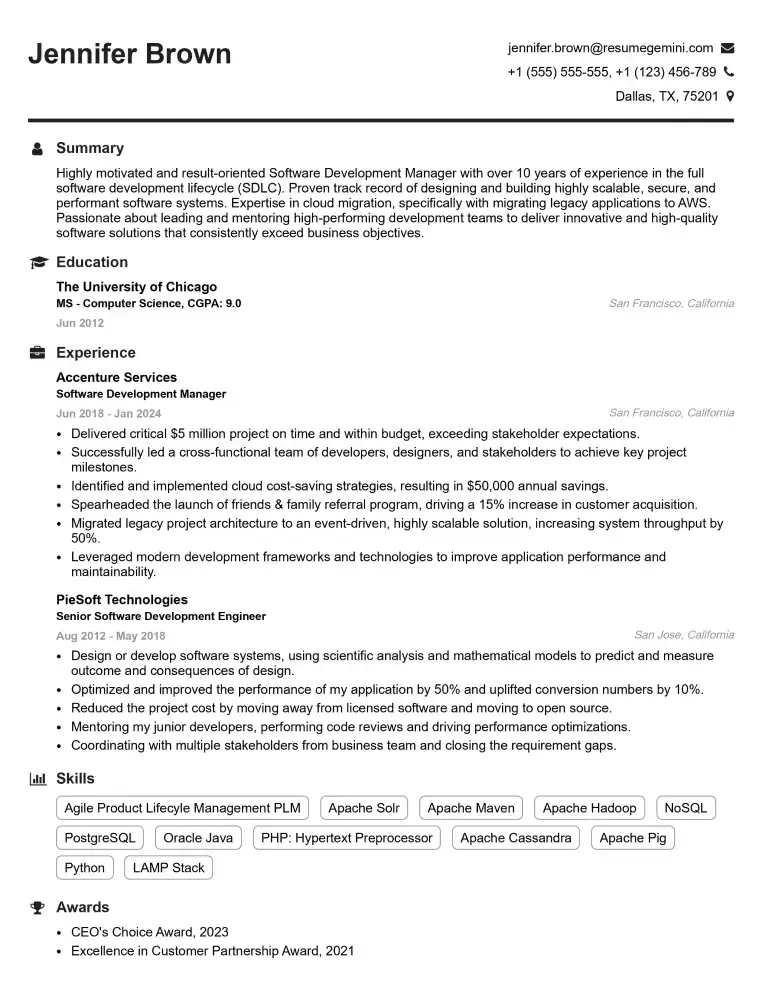
Elevate your job search with our premium resume templates. Here is an amazing resume template that can be used to build a professional and elegant resume. You can build a resume from scratch or revamp your existing resume. Impress hiring managers and secure your next opportunity.
- Top 50 Most Common Interview Questions
- The Psychology of a Great Resume: Hacks to Impress Recruiters
- What Mistakes to Avoid When Writing a Resume: A Comprehensive Guide
- Elevate Your Career with Expert Resume Building: Introducing ResumeGemini
- How to Write a Resume Using Google Gemini: Step-by-Step Guide