





Are you ready to embark on a career-changing journey? Crafting a resume that empowers you to make a successful transition is crucial. In this comprehensive guide, we’ll delve into proven strategies to transform your resume into a powerful tool for career advancement. From identifying transferable skills to showcasing adaptability, we’ll equip you with the knowledge and techniques to create a resume that resonates with potential employers and propels your career in the desired direction.
Identify Your Transferable Skills: Unveiling Hidden Potential
Transferable skills are the abilities and knowledge that can be applied across different industries and job roles. Identifying and highlighting these skills is essential for career changers. Consider your previous work experience, volunteer activities, projects, and hobbies. Make a list of skills that you’ve developed, such as communication, problem-solving, leadership, teamwork, and adaptability. These skills are highly valued by employers in various fields.
Highlight Relevant Experience: Bridge the Gap
Even if your previous experience is not directly related to your desired career path, you can still find ways to showcase relevant skills and knowledge. Focus on transferable skills and transferable experiences. Highlight projects or assignments that demonstrate your abilities in the areas that are essential for your target role. Use specific examples and quantify your achievements whenever possible.
Quantify Your Accomplishments: Measurable Success
Numbers speak louder than words. When describing your accomplishments, use specific metrics and data to quantify your results. This adds credibility and tangibility to your claims. For example, instead of saying “Managed a team of engineers,” you could say “Managed a team of 10 engineers, resulting in a 15% increase in project efficiency and a 20% reduction in project completion time.”
Craft a Powerful Career Summary: Your Elevator Pitch
Your career summary is a concise statement that introduces you to potential employers. It should be tailored to each job application, highlighting your most relevant skills and experience. Start with a strong and impactful hook that grabs the reader’s attention. Then, briefly describe your career journey, emphasizing your transferable skills and accomplishments. Keep it concise and within 3-4 sentences.
Showcase Your Adaptability: Embrace Change
Career changers need to demonstrate their adaptability and willingness to learn new skills. Highlight your ability to quickly grasp new concepts and adapt to changing environments. Mention any instances where you successfully transitioned to a new role or took on new challenges. Emphasize your eagerness to learn and your commitment to continuous professional development.
Tailor Your Resume to Each Industry: Speak the Language
Each industry has its own unique vocabulary and set of expectations. Research the industry you’re targeting and tailor your resume accordingly. Use industry-specific keywords, terminology, and examples to demonstrate your understanding of the field. Refer to job descriptions and industry publications to identify the most relevant skills and experience to highlight.
Leverage Networking: Expand Your Reach
Networking is essential for career changers. Attend industry events, connect with people on LinkedIn, and reach out to individuals in your desired field. Informational interviews are a great way to gain insights into different roles, companies, and industry trends. Don’t be afraid to ask for introductions and recommendations from your connections.
Prepare for Career Change Interview Questions: Showcase Your Value
Career change interviews require you to address questions about your motivations for changing careers and your ability to make the transition. Prepare for common interview questions such as “Why are you making a career change?” and “How do your skills and experience translate to this role?” Practice your answers, highlighting your transferable skills, adaptability, and enthusiasm for the new career path.
Explore Resume Writing Services: Professional Assistance
If you’re struggling to craft a compelling resume on your own, consider seeking professional assistance from a resume writing service like ResumeGemini. Professional resume writers can help you identify your transferable skills, highlight your relevant experience, and tailor your resume to specific job applications. They can also provide valuable feedback and guidance to enhance your resume’s effectiveness.
Career Change Resume Samples: Inspiration for Success
Reviewing resume samples from successful career changers can provide valuable insights into effective resume writing. Websites like ResumeGemini offer a collection of career change resume samples that showcase best practices and industry-specific tailoring. Analyze these samples to identify common elements and strategies that can enhance your own resume.
Career Expert Tips:
- Select the ideal resume template to showcase your professional experience effectively.
- Master the art of resume writing to highlight your unique qualifications and achievements.
- Checkout the resume writing tips for guidance and best practices.
- Make your 2025 brighter with a new job. Build a powerful resume with ResumeGemini and save big, enjoy exclusive discounts on premium templates.
Frequently Asked Questions (FAQs)
How do I write a resume that effectively supports a career change?
Writing a resume that effectively supports a career change requires careful planning and execution. Here are key steps:
- Highlight Transferable Skills: Identify skills and experiences from your previous roles that are relevant to your target industry. Quantify and showcase these skills using specific examples and metrics.
- Craft a Compelling Career Summary: Write a concise and impactful career summary that introduces your career change goals, highlights your key skills, and demonstrates your value proposition.
- Tailor Your Resume: Research each target job description thoroughly and customize your resume to reflect the specific requirements of each role. Highlight how your skills and experience align with the job requirements.
- Use Keywords: Incorporate industry-specific keywords throughout your resume to ensure it ranks well in Applicant Tracking Systems (ATS) and captures the attention of recruiters.
- Seek Feedback and Proofread: Ask for feedback from trusted sources, such as career counselors or mentors, to ensure your resume is clear, concise, and error-free.
What are the key elements to include in a career-changing resume?
A career-changing resume should include the following key elements:
- Contact Information: Name, email, phone number, LinkedIn profile URL
- Career Summary: A concise statement that highlights your career change goals and key skills
- Skills: A list of relevant hard and soft skills, including those transferable from your previous career
- Work Experience: A chronological or functional summary of your relevant work experience, emphasizing transferable skills
- Education: Degrees, certifications, and any relevant coursework or training
- Accomplishments: Quantified and specific examples of your achievements in previous roles
- Additional Sections: As needed, include sections for awards, languages, volunteer experience, or personal interests
How can I identify and highlight my transferable skills?
Identifying and highlighting your transferable skills is crucial for a successful career change. Follow these steps:
- Analyze Your Previous Experience: Reflect on your past roles and identify the skills and abilities you developed that are applicable to your target field.
- Research Industry Requirements: Explore job descriptions and industry trends to understand the skills and qualifications required for your target roles.
- Map Your Skills: Create a table or list that matches your transferable skills to the requirements of your target industry.
- Quantify and Provide Examples: When describing your transferable skills, use specific metrics and examples to demonstrate your proficiency and impact.
- Seek External Validation: Ask for feedback from mentors, career counselors, or industry professionals to validate your transferable skills and identify areas for improvement.
Why is it important to quantify my accomplishments on my resume?
Quantifying your accomplishments on your resume adds credibility, impact, and specificity to your claims. It allows you to:
- Demonstrate Tangible Results: Using numbers and metrics to describe your achievements provides concrete evidence of your contributions and impact.
- Stand Out from the Crowd: Quantified accomplishments differentiate your resume from others and make your achievements more memorable for recruiters and hiring managers.
- Highlight Your Value: By expressing your accomplishments in numerical terms, you can clearly communicate the value you bring to potential employers.
- Pass Applicant Tracking Systems (ATS): Many ATS systems use algorithms to rank resumes. Quantifying your accomplishments can improve your chances of getting your resume noticed.
- Increase Confidence and Credibility: When you have specific and measurable results to support your claims, you convey confidence and credibility to potential employers.
How can I write a career summary that showcases my value and career goals?
An effective career summary should:
- Start with a Strong Hook: Begin with a powerful statement that grabs the reader’s attention and highlights your career change goals.
- Quantify Your Achievements: Use numbers and metrics to demonstrate the impact of your previous work experience.
- Highlight Transferable Skills: Emphasize the skills and experiences from your previous career that are relevant to your target industry.
- State Your Career Change Goals: Clearly express your aspirations for a career change and the specific field or role you are targeting.
- Keep it Concise and Impactful: Aim for a length of 3-5 sentences, ensuring every word contributes to your value proposition.
How do I tailor my resume to different industries?
Tailoring your resume to different industries is essential to effectively highlight your relevant skills and experience. Consider these steps:
- Research Industry Jargon and Keywords: Familiarize yourself with the specific terminology and keywords used in your target industry. Incorporate these terms throughout your resume to demonstrate your industry knowledge.
- Highlight Relevant Skills and Experience: Identify the skills and experiences from your previous roles that are most relevant to the specific industry you are applying to. Emphasize these in your resume’s skills section and work experience descriptions.
- Quantify Industry-Specific Accomplishments: When possible, quantify your accomplishments using industry-specific metrics and terminology. This shows potential employers that you understand the industry’s standards and have made a tangible impact.
- Use Industry-Specific Resume Templates: Consider using resume templates designed specifically for your target industry. These templates can provide a professional and industry-aligned presentation for your resume.
- Seek Industry Mentorship or Feedback: Reach out to professionals in your target industry for guidance and feedback on your resume. They can provide valuable insights and help you tailor your resume to industry expectations.
What are the benefits of leveraging networking for a career change?
Networking is an invaluable tool for career changers to:
- Expand Your Professional Network: Connect with professionals in your target industry and expand your network beyond your immediate circle.
- Gain Industry Insights: Learn about industry trends, job openings, and hiring practices through networking events and conversations.
- Identify Potential Mentors: Meet individuals who can provide guidance, support, and advice as you navigate your career change.
- Get Referrals and Job Leads: Networking can lead to direct job referrals or introductions to hiring managers who may not be actively advertising open positions.
- Increase Your Confidence: Interacting with professionals in your target industry can boost your confidence and make you feel more prepared for your career change.
How can I prepare for career change interview questions?
To prepare for career change interview questions, consider these tips:
- Research the Company and Industry: Understand the company’s culture, values, and the specific industry you are applying to.
- Practice Answering Common Career Change Questions: Prepare for questions about your motivation for the career change, your transferable skills, and how you plan to add value to the company.
- Emphasize Your Transferable Skills: Highlight your skills and experiences that are relevant to the target industry, even if
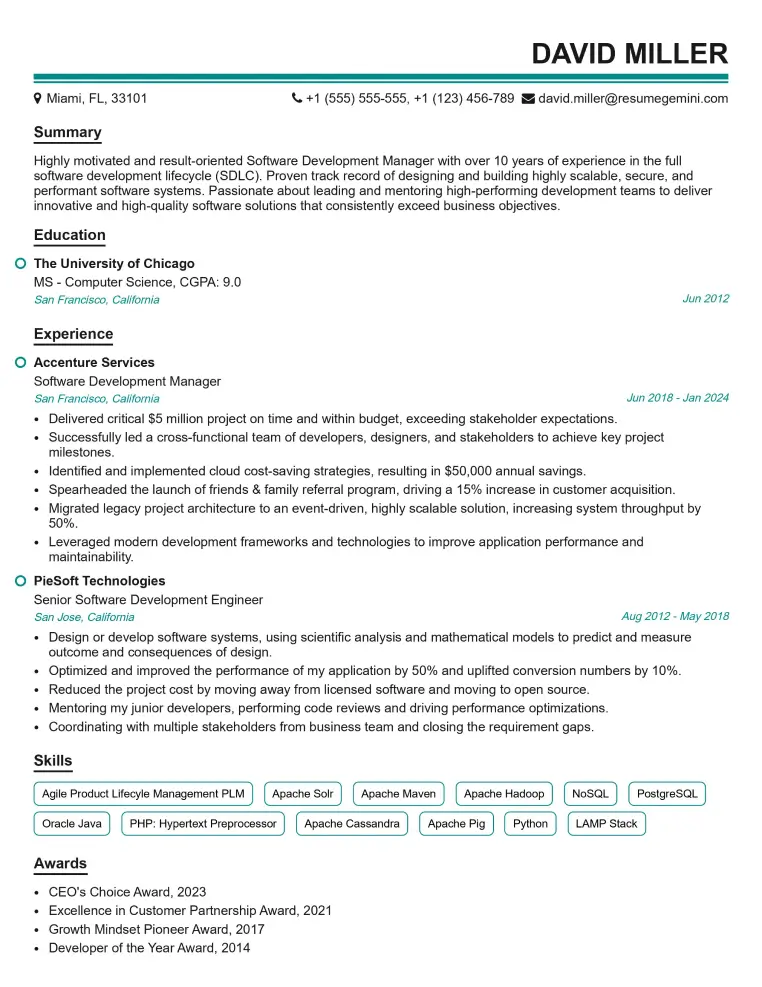
Elevate your job search with our premium resume templates. Here is an amazing resume template that can be used to build a professional and elegant resume. You can build a resume from scratch or revamp your existing resume. Impress hiring managers and secure your next opportunity.
- Top 50 Most Common Interview Questions
- The Psychology of a Great Resume: Hacks to Impress Recruiters
- What Mistakes to Avoid When Writing a Resume: A Comprehensive Guide
- Elevate Your Career with Expert Resume Building: Introducing ResumeGemini
- Crafting Your First Impression: How To Make Free Resume Online For Freshers