





Embarking on a mid-career transition is like boarding a rocket ship propelled by your aspirations and fueled by your experience. Just as choosing the right seat ensures a smooth journey, selecting the perfect resume template can propel your job application into the right hands.
Chronological Resume
A chronological resume, the traditional choice, presents your work history in reverse chronological order, highlighting your most recent experiences first. This format is ideal for individuals with a consistent career progression and a clear upward trajectory within the same industry.
- Advantages: Provides a straightforward and easy-to-read account of your work history, suitable for a wide range of roles.
- Best Suited for: Professionals with a linear career path, exhibiting steady growth and achievement in a specific field.
Functional Resume
A functional resume focuses on your skills and accomplishments rather than your work history. This format is suitable for individuals seeking to emphasize transferable skills, deemphasize employment gaps, or transition into a new industry or role.
- Advantages: Allows you to showcase your most relevant qualifications and downplay less pertinent experiences, suitable for career changers or those with non-traditional career paths.
- Best Suited for: Professionals looking to break into a new field, transitioning after a career break, or highlighting relevant skills that may not be apparent from their work history.
Combination Resume
A combination resume combines elements of both chronological and functional resumes, providing a well-rounded view of your experiences and skills. It offers a hybrid approach, highlighting your relevant skills while providing a chronological summary of your work history.
- Advantages: Presents a comprehensive overview of your qualifications, suitable for experienced professionals looking to showcase both their skills and career progression.
- Best Suited for: Individuals with diverse experience and skills, seeking to highlight both their functional capabilities and chronological career narrative.
Targeted Resume
A targeted resume is tailored specifically to the job you are applying for. This involves customizing your resume to match the job description, highlighting the skills and experiences that are most relevant to the target position.
- Advantages: Demonstrates your clear understanding of the role and your qualifications for it, increasing your chances of making a strong impression on hiring managers.
- Best Suited for: Professionals applying for specific roles, seeking to tailor their resume to showcase their most relevant qualifications and impress recruiters.
Infographic Resume
An infographic resume presents your skills and experiences in a visually appealing and data-driven format. This format is suitable for creative professionals, such as designers, artists, or marketers, who wish to showcase their work and skills in a visually compelling manner.
- Advantages: Captures attention and makes a memorable impression, effectively conveying your skills and experiences in a visually impactful way.
- Best Suited for: Creative professionals, visual thinkers, or those looking to differentiate their resume in a competitive job market.
When selecting a resume template, consider your career goals, industry, and the type of roles you are applying for. Remember, your resume is your personal marketing document, and choosing the right template can enhance your chances of landing your dream job.
Need help creating a stunning resume? ResumeGemini offers a range of professionally designed resume templates, tailored to meet the needs of mid-career professionals. Whether you are looking for a chronological, functional, combination, targeted, or infographic resume, we have you covered. Our easy-to-use platform allows you to create a resume that effectively showcases your skills, experience, and aspirations. Start building your perfect resume today and launch your mid-career transition with confidence.
Career Expert Tips:
- Select the ideal resume template to showcase your professional experience effectively.
- Master the art of resume writing to highlight your unique qualifications and achievements.
- Checkout the resume writing tips for guidance and best practices.
- Make your 2025 brighter with a new job. Build a powerful resume with ResumeGemini and save big, enjoy exclusive discounts on premium templates.
Frequently Asked Questions (FAQ’s)
What is the best resume template for a mid-career professional?
For mid-career professionals, the best resume templates are those that highlight their skills, experience, and accomplishments effectively. Choose a template that provides a clear and concise layout, allowing recruiters to quickly identify your most relevant qualifications. Consider templates with sections tailored to your industry and experience level.
- Functional resume template emphasizes your skills and experience over your work history.
- Chronological resume template presents your work history in reverse chronological order.
- Combination resume template blends elements of both functional and chronological resumes.
How do I choose the right resume template for my industry?
Choose a resume template that aligns with the industry you are applying for. Research industry-specific resume formats and templates to ensure your resume meets the expectations of recruiters in your field.
- For creative industries, such as design or marketing, a visually appealing and creative resume template can showcase your skills.
- For technical industries, such as engineering or IT, a more structured and traditional resume template may be more appropriate.
- For academic or research-oriented roles, a curriculum vitae (CV) format may be preferred.
What are the key elements to include in a mid-career resume?
A mid-career resume should include the following key elements:
- Contact Information: Name, address, phone number, email address.
- Summary or Objective: A brief statement that highlights your skills, experience, and career goals.
- Work Experience: List your relevant work history in reverse chronological order, including job title, company name, dates of employment, and a description of your responsibilities and accomplishments.
- Education: List your educational qualifications, including degrees, certifications, and relevant coursework.
- Skills: Highlight your hard and soft skills relevant to the roles you are applying for.
- Awards and Recognition: List any awards, recognition, or honors you have received.
Is it essential to list a career objective or summary on my resume?
While not strictly necessary, including a career objective or summary can be beneficial for mid-career professionals, as it allows you to tailor your resume specifically to each job application. A well-written summary can highlight your unique value proposition and grab the attention of recruiters.
- A career objective concisely states your career goals and how they align with the position you are applying for.
- A career summary provides a brief overview of your skills, experience, and accomplishments.
How can I highlight my skills and experience relevant to a different industry?
When transitioning to a different industry, it is important to highlight the transferable skills and experience you have that are relevant to the new field.
- Identify Transferable Skills: Analyze your previous roles and identify the skills that are applicable to the new industry.
- Quantify Accomplishments: Use specific metrics and numbers to demonstrate the impact of your contributions in your previous roles.
- Tailor Your Resume: Customize your resume for each job application, emphasizing the skills and experience most relevant to the specific role and industry.
Should I include a cover letter with my resume when applying for a mid-career role?
In many cases, including a cover letter with your resume is beneficial for mid-career professionals. A well-written cover letter allows you to expand on your resume and highlight your most relevant qualifications for the specific role and company you are applying to.
- Use the cover letter to introduce yourself and express your interest in the position.
- Briefly highlight your skills and experience that align with the job requirements.
- Explain why you are a suitable candidate for the role and how your background can benefit the company.
What are common mistakes to avoid when writing a mid-career resume?
To ensure your mid-career resume stands out, avoid the following common mistakes:
- Generic Content: Avoid using generic phrases and buzzwords. Instead, tailor your resume to the specific role and industry you are applying for.
- Lack of Focus: Keep your resume concise and focused on your most relevant skills and experience. Avoid including irrelevant or outdated information.
- Grammatical Errors: Carefully proofread your resume for any grammatical errors or typos.
- Inconsistent Formatting: Use consistent formatting throughout your resume, including font, font size, and section headings.
- Excessive Length: Keep your resume within one or two pages. Avoid unnecessary details or embellishments.
How can I make my resume stand out in a competitive job market?
To make your resume stand out in a competitive job market, consider the following strategies:
- Use Keywords: Incorporate relevant industry keywords throughout your resume to optimize it for applicant tracking systems (ATS) and improve its visibility to recruiters.
- Quantify Accomplishments: Use specific metrics and numbers to quantify your accomplishments and demonstrate the impact of your work.
- Highlight Transferable Skills: If you are transitioning to a different industry, emphasize the transferable skills and experience you have that are relevant to the new field.
- Get Feedback: Ask a trusted friend, family member, or career counselor to review your resume and provide feedback.
- Use a Professional Template: A well-designed resume template can enhance the visual appeal and readability of your resume.
What is the ideal length for a mid-career resume?
The ideal length for a mid-career resume is generally one to two pages. While it is important to include all relevant information, avoid unnecessary details or embellishments that could make your resume appear cluttered or overwhelming.
How do I incorporate industry keywords into my resume?
To effectively incorporate industry keywords into your resume, follow these steps:
- Research Industry-Specific Keywords: Identify the keywords and phrases commonly used in job descriptions and industry publications related to your field.
- Analyze Your Skills and Experience: Determine which of your skills and experiences are most relevant to the industry and job you are applying for.
- Incorporate Keywords Naturally: Use the identified keywords throughout your resume, but do so naturally and avoid keyword stuffing.
- Use Synonyms and Related Terms: Expand your keyword usage by incorporating synonyms and related terms to demonstrate your proficiency in the field.
Next Step:
Now that you have a better understanding of how to craft an effective resume for a mid-career professional, it is time to put your knowledge into action. Head over to ResumeGemini and choose from our wide selection of professionally designed resume templates. With our user-friendly interface and expert guidance, you can quickly and easily create a resume that will showcase your skills, experience, and career aspirations. Don’t settle for a mediocre resume; let ResumeGemini help you make a lasting impression on potential employers and land your dream job.
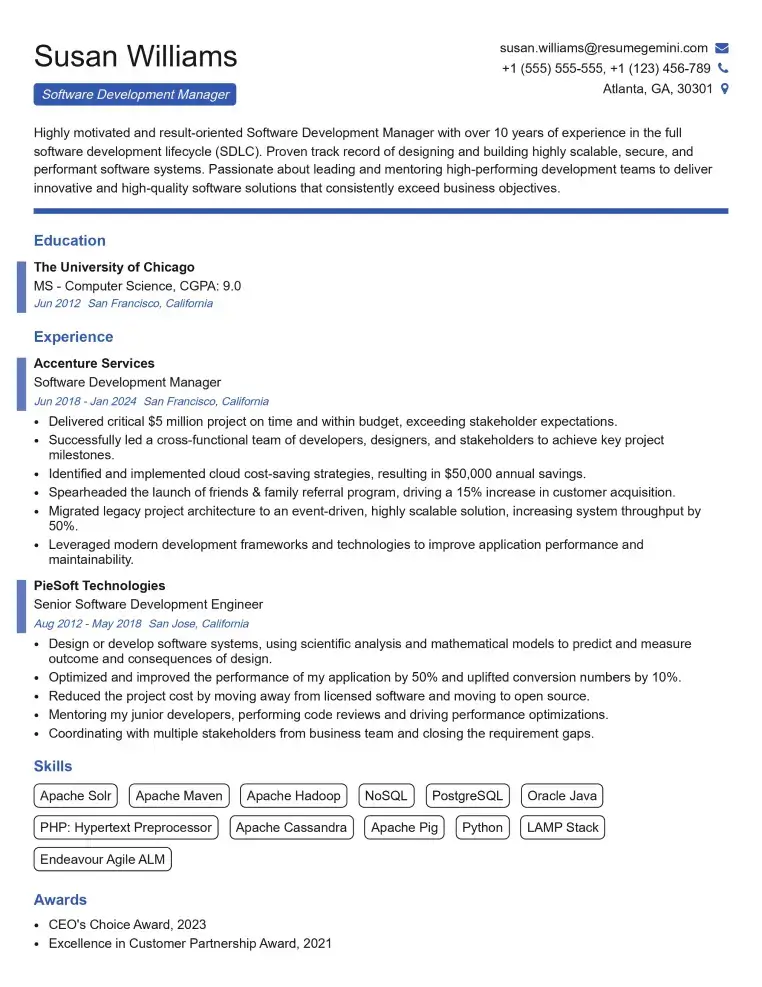
Elevate your job search with our premium resume templates. Here is an amazing resume template that can be used to build a professional and elegant resume. You can build a resume from scratch or revamp your existing resume. Impress hiring managers and secure your next opportunity.
- Top 50 Most Common Interview Questions
- The Psychology of a Great Resume: Hacks to Impress Recruiters
- What Mistakes to Avoid When Writing a Resume: A Comprehensive Guide
- Elevate Your Career with Expert Resume Building: Introducing ResumeGemini
- How to Write a Resume Using Google Gemini: Step-by-Step Guide