





Mid-career professionals navigating the job market face unique challenges and opportunities. If you’re a seasoned professional looking to re-energize your career journey, this blog post is your guide to crafting a resume that effectively showcases your experience and skills for your next career move. Get ready to upgrade your resume with our exclusive five resume writing hacks, designed to maximize your mid-career job search.
The challenges and opportunities of mid-career job hunting
Mid-career job hunting comes with its set of advantages and potential roadblocks. On the one hand, you bring a wealth of experience, expertise, and professional connections. On the other hand, you may face competition from younger candidates who may appear more aligned with the latest job market trends.
- Leverage your experience: Emphasize your years of experience and the accomplishments you’ve achieved during your career.
- Stay updated on industry trends: Keep your skills and knowledge current to stay competitive and relevant in your field.
- Be open-minded about new opportunities: Consider exploring different roles or industries where your transferable skills can be valuable.
Highlighting transferable skills and accomplishments
Transferable skills are those that can be easily applied across different roles and industries. By highlighting these skills, you can demonstrate your adaptability and versatility to potential employers. To identify your transferable skills, consider your past experiences and the responsibilities you’ve held. Common transferable skills include:
- Communication
- Problem-solving
- Leadership
- Project management
- Data analysis
Once you’ve identified your transferable skills, make sure to prominently feature them on your resume. Provide specific examples of how you’ve applied these skills in your previous roles to demonstrate their impact.
Quantifying your experience to demonstrate impact
Quantifying your experience involves using numbers and metrics to demonstrate the impact of your work. This adds credibility to your resume and helps potential employers understand the tangible results you’ve achieved. When quantifying your experience, consider using:
- Numbers: Number of projects completed, clients acquired, or revenue generated.
- Percentages: Percentage of growth or improvement achieved.
- Testimonials: Quotes from satisfied clients or colleagues.
By quantifying your experience, you make it easier for employers to see the value you bring to the table and the potential return on investment they can expect by hiring you.
Adapting your resume to different job roles and industries
It’s unlikely that you’ll write a single resume that will be perfect for every job you apply for. The key is to customize your resume for each role and industry you’re targeting. Here’s how:
- Research the job description: Carefully review the job description to identify the key skills and qualifications required for the role.
- Tailor your resume: Highlight the skills and experience that are most relevant to the specific job you’re applying for.
- Use industry-specific keywords: Incorporate keywords from the job description and industry jargon to make your resume more relevant to the hiring manager.
By tailoring your resume to each job you apply for, you increase your chances of impressing the hiring manager and landing an interview.
Using keywords to target specific job openings
Keywords are specific words or phrases that employers use to search for resumes. By including relevant keywords in your resume, you make it more likely to be found by potential employers. To find relevant keywords, consider:
- Job descriptions: Review the job descriptions of the roles you’re interested in to identify common keywords.
- Industry publications: Read industry-specific articles and blogs to stay updated on the latest trends and keywords.
- Online job boards: Use the search filters on online job boards to see what keywords employers are using.
Once you’ve identified relevant keywords, incorporate them naturally throughout your resume, particularly in the summary, skills section, and work experience section. Avoid keyword stuffing, as this can make your resume appear spammy and unprofessional.
Crafting a strong resume summary that captures your value
The resume summary is a brief, attention-grabbing paragraph that sits at the top of your resume. It’s your chance to make a great first impression and convince the hiring manager to read further. A strong resume summary should include:
- A concise statement of your professional experience: Highlight your years of experience, key skills, and areas of expertise.
- A quantifiable accomplishment: If possible, include a specific accomplishment that demonstrates your impact in a previous role.
- A call to action: Encourage the hiring manager to contact you for an interview or learn more about your qualifications.
Keep your resume summary brief, around 3-5 sentences, and tailor it to each job you apply for.
Proofreading and editing your resume for professionalism
Once you’ve written your resume, it’s essential to proofread and edit it carefully before sending it out. This will help you eliminate any errors that could potentially damage your professional image. When proofreading your resume, pay attention to:
- Typos and grammatical errors: Use a spell checker and grammar checker to catch any mistakes.
- Formatting: Make sure your resume is well-formatted and easy to read.
- Consistency: Ensure that your resume is consistent in terms of font, style, and tone.
You can also ask a friend, family member, or colleague to review your resume and provide feedback. A fresh pair of eyes can often spot errors that you may have missed.
Seeking feedback from trusted sources to enhance your resume’s quality
Getting feedback on your resume from trusted sources can be invaluable. Ask friends, family members, colleagues, or a professional resume writer to review your resume and provide their input. They can offer suggestions for improvement, identify areas that need clarification, and help you refine your resume to make it the best it can be.
- Consider a professional resume writer: If you need help writing or editing your resume, consider hiring a professional resume writer. They can help you create a polished, professional resume that will stand out from the competition.
- Utilize ResumeGemini: ResumeGemini offers a comprehensive suite of resume-building tools and resources to help you create a professional, ATS-friendly resume. With a variety of templates, examples, and expert advice, ResumeGemini can help you craft a resume that showcases your skills and experience in the best possible light.
By seeking feedback and utilizing resources like ResumeGemini, you can continuously improve your resume and increase your chances of landing your dream job.
Career Expert Tips:
- Select the ideal resume template to showcase your professional experience effectively.
- Master the art of resume writing to highlight your unique qualifications and achievements.
- Checkout the resume writing tips for guidance and best practices.
- Make your 2025 brighter with a new job. Build a powerful resume with ResumeGemini and save big, enjoy exclusive discounts on premium templates.
Frequently Asked Questions (FAQ’s)
How do I write a resume that reflects my mid-career experience?
Highlight your relevant skills and experience prominently. Use action verbs and quantify your accomplishments whenever possible to demonstrate your impact. Focus on showcasing your expertise, leadership qualities, and results-driven mindset.
What are the best ways to quantify my accomplishments on my resume?
Use specific numbers, metrics, and percentages to demonstrate the tangible impact of your work. For example, instead of “Managed a team of engineers,” write “Managed a team of 10 engineers, resulting in a 25% increase in project delivery efficiency.”
How can I make my resume stand out from other mid-career candidates?
Consider using a professional resume builder like ResumeGemini to create a visually appealing and tailored resume. It offers various templates, fonts, and color themes to help you create a resume that catches the attention of recruiters.
Additionally, tailor your resume to each job you apply for by highlighting the specific skills and experience that align with the job requirements.
What are the common mistakes to avoid when writing a mid-career resume?
Avoid using outdated language or buzzwords. Instead, use clear and concise language that highlights your key skills and accomplishments.
Also, be mindful of including too much irrelevant information. Focus on tailoring your resume to the specific job you’re applying for and include only information that is relevant to the position.
Can I use ResumeGemini to create a resume specifically tailored for mid-career professionals?
Yes, ResumeGemini provides a range of templates and features specifically designed to help mid-career professionals create impactful resumes. These templates highlight relevant sections such as Experience, Skills, Accomplishments, and Certifications, allowing you to showcase your career journey effectively.
How do I use keywords effectively in my mid-career resume?
Identify the keywords most relevant to the specific job you’re applying for by carefully reviewing the job description. Incorporate these keywords naturally throughout your resume, especially in your summary, skills section, and experience descriptions. However, avoid keyword stuffing, as this can negatively impact your resume’s readability and authenticity.
What should I include in my resume summary as a mid-career professional?
Your resume summary should provide a concise overview of your key skills, experience, and career goals. Highlight your years of experience, areas of expertise, and any notable accomplishments or achievements. Quantify your results whenever possible to demonstrate your impact. Keep your summary brief, around 2-3 sentences, and tailor it to each job you apply for.
How important is proofreading and editing for a mid-career resume?
Proofreading and editing your resume thoroughly is crucial. Ensure there are no grammatical errors, spelling mistakes, or typos. Consider asking a friend, family member, or career counselor to review your resume and provide feedback. A well-proofread resume demonstrates attention to detail and professionalism.
Next Step:
Advance your mid-career job search with ResumeGemini. Our platform offers a range of features tailored to help mid-career professionals showcase their experience and skills effectively. Create a standout resume that will captivate recruiters and land you your next dream job.
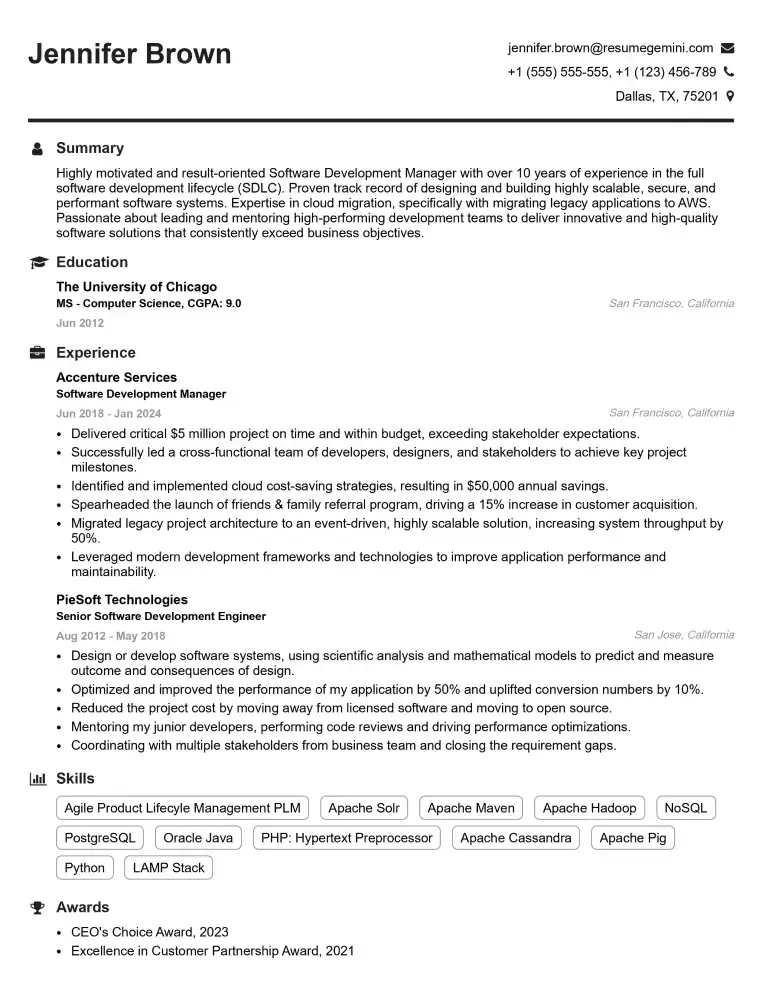
Elevate your job search with our premium resume templates. Here is an amazing resume template that can be used to build a professional and elegant resume. You can build a resume from scratch or revamp your existing resume. Impress hiring managers and secure your next opportunity.
- Top 50 Most Common Interview Questions
- The Psychology of a Great Resume: Hacks to Impress Recruiters
- What Mistakes to Avoid When Writing a Resume: A Comprehensive Guide
- Elevate Your Career with Expert Resume Building: Introducing ResumeGemini
- How to Write a Resume Using Google Gemini: Step-by-Step Guide