





In today’s competitive job market, a successful job interview is not just about having a strong resume; it’s about embodying confidence, preparation, and the ability to effectively showcase your skills and experience.
Preparing for Behavioral and Situational Interviews
Modern job interviews often incorporate behavioral and situational questions to gauge your problem-solving abilities, decision-making process, and how you handle workplace challenges.
- Identify Common Interview Questions: Research typical behavioral and situational interview questions and practice answering them using the STAR method (Situation, Task, Action, Result).
- Think About Past Experiences: Reflect on your professional and personal experiences that demonstrate your skills and align with the job requirements. Prepare specific examples that highlight your problem-solving, communication, and teamwork abilities.
- Practice Your Delivery: Rehearse your answers to questions out loud or with a friend. Practice active listening, maintain eye contact, and articulate your responses clearly.
Answering Tough Interview Questions with Confidence
You may encounter unexpected or challenging interview questions designed to test your critical thinking and resilience.
- Stay Calm and Composed: Maintain a professional and positive demeanor. Don’t panic if you’re asked a difficult question; take a moment to collect your thoughts.
- Clarify the Question: If you’re unsure about the question, ask for clarification to ensure you fully understand what’s being asked.
- Use the STAR Method: Even when faced with tough questions, structure your answers using the STAR method. Highlight your skills and experiences relevant to the question.
- Example Questions: Some common tough interview questions include, “Tell me about a time you failed” or “What are your weaknesses?”
Non-Verbal Communication and Body Language Tips
Non-verbal communication plays a significant role in forming a positive impression. Pay attention to your body language and ensure it aligns with your verbal message.
- Maintain Eye Contact: Establish and maintain eye contact with the interviewer to convey confidence and engagement.
- Use Appropriate Gestures: Use subtle hand gestures to emphasize your points; avoid distracting or excessive movements.
- Sit Up Straight: Maintain good posture by sitting up straight. It projects confidence and professionalism.
- Practice Active Listening: Show that you’re actively listening by nodding, smiling, and asking clarifying questions.
Researching the Company and Position for Success
Thoroughly researching the company and the position you’re applying for can boost your confidence and demonstrate your interest.
- Visit the Company Website: Explore the company’s mission statement, values, and recent news to gain insights into their culture and industry.
- Read Company Reviews: Check online platforms like Glassdoor to read employee reviews and learn about the company’s work environment.
- Understand the Job Description: Carefully review the job description to identify essential skills, responsibilities, and qualifications.
- Prepare Relevant Questions: Ask thoughtful questions during the interview that demonstrate your interest in the company and the role.
Following Up After the Interview
Following up after the interview is crucial to show your continued interest and professionalism.
- Send a Thank-You Note: Within 24 hours of the interview, send a personalized thank-you note to the interviewer. Express your appreciation and reiterate your interest in the position.
- Follow Up Politely: If you don’t hear back within a week or two, follow up politely via email or LinkedIn. Inquire about the status of your application and reiterate your enthusiasm.
- Stay Professional: Maintain a professional tone in all your follow-ups and avoid being pushy or demanding.
Additional Tips
Dress Appropriately: Make a positive first impression by dressing professionally and appropriately for the industry and company culture.
Be Punctual: Punctuality demonstrates respect for the interviewer’s time. Arrive on time for your interview.
Use ResumeGemini to Create a Stellar Resume: A well-crafted resume is the foundation for a successful job interview. Use ResumeGemini to create a professional and ATS-friendly resume that showcases your skills and experience.
Practice Makes Perfect: The more you practice answering interview questions and simulating interview scenarios, the more confident and prepared you’ll be.
Career Expert Tips:
- Select the ideal resume template to showcase your professional experience effectively.
- Master the art of resume writing to highlight your unique qualifications and achievements.
- Checkout the resume writing tips for guidance and best practices.
- Make your 2025 brighter with a new job. Build a powerful resume with ResumeGemini and save big, enjoy exclusive discounts on premium templates.
Frequently Asked Questions (FAQ’s)
What are the most common interview questions?
The STAR method, which stands for Situation, Task, Action, Result, is a famous technique used by interviewers to question candidates. The following is a list of the most frequent interview questions:
- Tell me about yourself.
- Why do you want to work for this company?
- What are your greatest strengths?
- What are your weaknesses?
- Why should we hire you?
- How do you handle stress?
- What are your salary expectations?
- Describe a time when you faced a challenge and how you overcame it.
- What are your career goals?
- Do you have any questions for me?
How can I prepare for behavioral interviews?
Behavioral interviews focus on your past experiences and behaviors to predict your future performance. To prepare for behavioral interviews, follow these steps:
- Research the company and the position you’re applying for to understand the company’s culture and the skills and experience they are looking for.
- Practice answering common behavioral interview questions using the STAR method.
- Be prepared to provide specific examples of your skills and experience that are relevant to the job.
- Be able to articulate how your skills and experience can benefit the company.
How should I dress and act during an interview?
First impressions matter, so it’s important to dress professionally and arrive on time. Choose attire that is neat, clean, and appropriate for the industry and company culture. Avoid wearing clothes that are too revealing, wrinkled, or too casual.
What are some strategies for handling tough interview questions?
Tough interview questions are designed to test your critical thinking skills, problem-solving abilities, and resilience. Here are some strategies for handling tough interview questions:
- Stay calm and collected. Take a deep breath and collect your thoughts before answering.
- Listen carefully to the question and make sure you understand what the interviewer is asking.
- If you don’t know the answer, be honest and say so. But be prepared to offer an alternative answer or explain how you would approach the problem.
- Use the STAR method to answer behavioral questions.
- Be positive and enthusiastic in your answers. Even if you’re nervous, try to convey your passion for the job and the company.
How can I follow up after an interview to increase my chances of getting the job?
Following up after an interview is a great way to show your continued interest in the job and the company. Here are some tips for following up after an interview:
What are the different types of interview formats?
There are several different types of interview formats, including:
- One-on-one interviews are the most common type of interview. In a one-on-one interview, you will meet with a single interviewer and answer their questions.
- Panel interviews involve a group of interviewers who will take turns asking you questions.
- Phone interviews are conducted over the phone. Phone interviews are often used as a screening tool to narrow down the pool of candidates.
- Video interviews are conducted over video conferencing software. Video interviews are becoming increasingly common, as they allow interviewers to meet with candidates from anywhere in the world.
- Group interviews are conducted with a group of candidates. Group interviews are often used to assess candidates’ teamwork and communication skills.
- Behavioral interviews focus on your past experiences and behaviors to predict your future performance.
- Situational interviews present you with hypothetical scenarios and ask you how you would handle them.
Next Step:
Ace your next job interview with ResumeGemini’s expert resume-building tools. Our resume builder offers a comprehensive range of customizable templates and writing advice to showcase your skills and experience in the most effective way. With ResumeGemini, you can create a professional, ATS-friendly resume that will help you stand out from the competition and land the job you deserve.
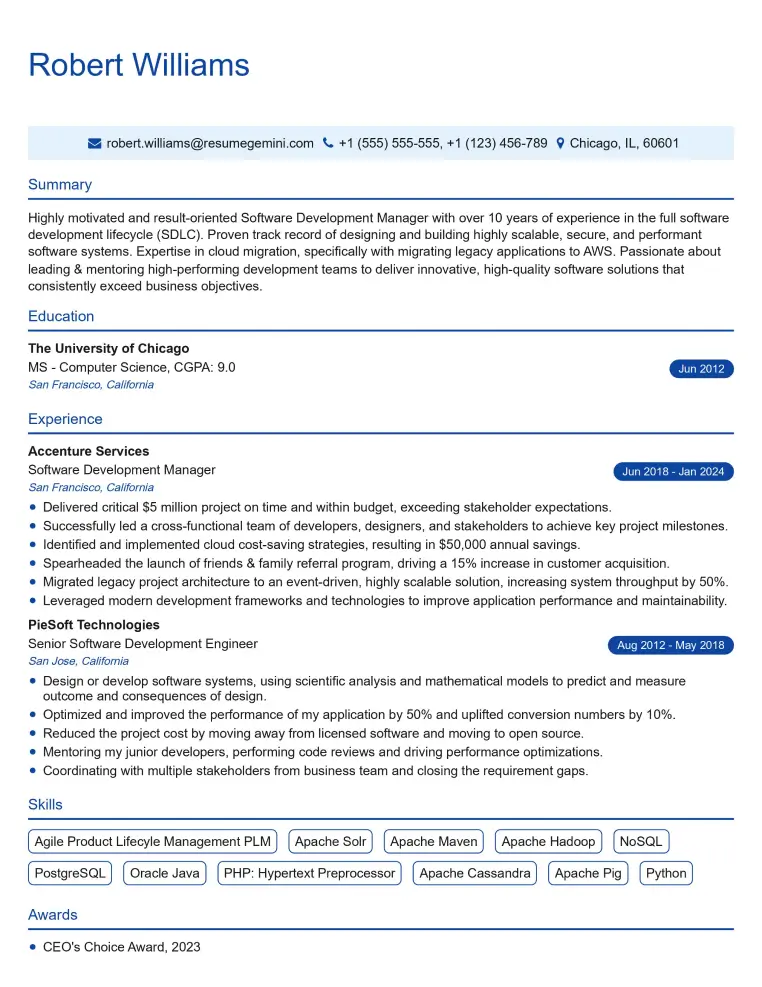
Elevate your job search with our premium resume templates. Here is an amazing resume template that can be used to build a professional and elegant resume. You can build a resume from scratch or revamp your existing resume. Impress hiring managers and secure your next opportunity.
- Top 50 Most Common Interview Questions
- The Psychology of a Great Resume: Hacks to Impress Recruiters
- What Mistakes to Avoid When Writing a Resume: A Comprehensive Guide
- Elevate Your Career with Expert Resume Building: Introducing ResumeGemini
- Crafting Your First Impression: How To Make Free Resume Online For Freshers