





Preparing for an interview can feel like an intimidating task. However, with the right preparation and confidence, you can ace your interview and leave a lasting impression on potential employers. In this blog, we will provide you with a comprehensive 4-step guide to preparing for your next interview with expert tips and insights from ResumeGemini.
Decode the Interview Preparation Process
Before diving into the interview preparation process, it’s crucial to understand the different stages involved. Typically, an interview process consists of the following steps:
- Initial screening: This is usually a phone or video call with a recruiter or hiring manager to assess your basic qualifications and suitability for the role.
- Technical assessment: For certain roles, you may be required to complete a technical assessment or take part in a coding challenge to demonstrate your skills and knowledge.
- In-person interview: This is the main interview stage where you will meet with a panel of interviewers and discuss your experiences, qualifications, and fit for the company.
- Reference checks: Once you have completed the in-person interview, the hiring manager may conduct reference checks to verify your previous work history and performance.
- Job offer: If the hiring manager is impressed with your skills and experience, they will typically extend a job offer.
Understanding the interview process will help you prepare effectively for each stage and increase your chances of success.
Step-by-Step Guide to Interview Success
Now that you have a clear understanding of the interview process, let’s delve into the 4-step guide to preparing for your next interview with confidence:
Step 1: Research and Preparation
Thorough research and preparation are key to a successful interview. Here are some tips to get you started:
- Research the company: Visit the company’s website, read about their mission, values, products or services, and recent news. This knowledge will help you understand the company culture and tailor your answers accordingly.
- Study the job description: Take time to carefully review the job description and identify the key requirements, skills, and responsibilities. This will help you highlight your relevant experiences and qualifications during the interview.
- Practice your answers: Prepare for common interview questions such as “Tell me about yourself,” “Why are you interested in this role,” and “What are your strengths and weaknesses.” Practice answering these questions out loud to build confidence and clarity.
Step 2: Professional Appearance and Body Language
In addition to your qualifications and experience, your professional appearance and body language play a significant role in creating a positive impression. Here are some tips to consider:
- Dress appropriately: Choose attire that is professional, conservative, and fits the company culture. First impressions matter, so make sure your clothing is clean, pressed, and complements your body type.
- Maintain good posture: Stand or sit up straight with your shoulders back and head held high. This conveys confidence and professionalism.
- Make eye contact: When speaking to the interviewer(s), maintain eye contact to show attentiveness and engagement.
- Use positive body language: Avoid fidgeting or crossing your arms. Instead, use open and inviting gestures, such as nodding or smiling.
Step 3: Engage and Communicate Effectively
During the interview, your ability to engage and communicate effectively is crucial. Here are some tips to help you make a strong impression:
- Be enthusiastic: Show the interviewer that you are genuinely interested in the role and the company. Enthusiasm is contagious and can make a positive impact on the interviewer’s perception.
- Ask questions: Asking thoughtful questions demonstrates your engagement and interest in the role. Prepare a few questions related to the company, the industry, or the job responsibilities.
- Use specific examples: When answering questions, use specific examples from your past experiences and skills to demonstrate your qualifications and abilities. This will make your answers more credible and engaging.
- Be confident: Believe in your abilities and convey confidence in your answers. However, maintain a humble and respectful attitude.
Step 4: Follow-up and Etiquette
The interview process doesn’t end after the interview itself. Here are some tips for proper follow-up and etiquette:
- Send a thank-you note: Within 24 hours of the interview, send a personalized thank-you note to the interviewer(s). Express your appreciation for their time and consideration and reiterate your interest in the role.
- Follow up professionally: If you have not heard back from the interviewer after a reasonable amount of time (typically 1-2 weeks), it’s acceptable to follow up politely via email or LinkedIn.
- Be respectful of the interviewer’s time: If you decline a job offer, do so promptly and professionally. Express your gratitude for the opportunity and wish the interviewer well.
Practice Makes Perfect: Mock Interview Tips
One of the best ways to enhance your interview skills and confidence is through practice. Here are some tips for conducting a mock interview:
- Find a practice partner: Ask a friend, family member, or career counselor to conduct a mock interview with you.
- Set up a realistic scenario: Create a specific job description and interview scenario to simulate a real-world interview experience.
- Record the interview: If possible, record the mock interview to review your performance later. This will help you identify areas for improvement.
- Get feedback: Ask your practice partner for feedback on your answers, body language, and overall performance.
Post-Interview Etiquette: Leaving a Lasting Impression
The interview process extends beyond the interview itself. Here are some tips for maintaining a positive and professional impression after the interview:
- Stay connected: Connect with the interviewer(s) on LinkedIn to stay informed about the company and future opportunities.
- Seek feedback: If you are not offered the job, request feedback from the interviewer to improve your performance in future interviews.
- Maintain a positive attitude: Regardless of the outcome, maintain a positive and professional attitude. Your interactions after the interview can reflect on your character and professionalism.
Preparing for an interview takes time and effort, but by following these 4 steps and practicing the tips provided, you can significantly increase your confidence and chances of success. Remember, the key to a successful interview is to be prepared, professional, and authentic. With the right mindset and preparation, you can ace your next interview and land your dream job.
Career Expert Tips:
- Select the ideal resume template to showcase your professional experience effectively.
- Master the art of resume writing to highlight your unique qualifications and achievements.
- Checkout the resume writing tips for guidance and best practices.
- Make your 2025 brighter with a new job. Build a powerful resume with ResumeGemini and save big, enjoy exclusive discounts on premium templates.
Frequently Asked Questions (FAQ’s)
How can I prepare for an interview?
Preparing for an interview is crucial for success. Here’s a comprehensive guide to help you ace your interview:
- Research the company and the position: Familiarize yourself with the organization’s mission, history, products or services, and industry standing. Also, thoroughly understand the job description and responsibilities to highlight your relevant skills and experience.
- Practice your answers to common interview questions: Prepare for questions about your experience, skills, strengths, weaknesses, and why you’re interested in the role. You can find sample questions online or in books and practice answering them out loud or with a friend or family member.
- Prepare questions to ask the interviewer: Asking thoughtful questions demonstrates your interest and engagement during the interview. Prepare questions about the role, the team, the company’s culture, and any growth or development opportunities.
- Dress appropriately and arrive on time: First impressions matter, so ensure you dress professionally and arrive at the interview location on time. Punctuality and a polished appearance show respect for the interviewer and the company.
- Practice self-confidence and enthusiasm: Believe in yourself and your abilities. Confidence is contagious and will make a positive impression on the interviewer. Show enthusiasm for the role and the company to convey your genuine interest.
- Follow up after the interview: Within 24 hours of the interview, send a thank-you note to the interviewer, reiterating your interest in the position and thanking them for their time. This follow-up shows professionalism, appreciation, and continued interest in the opportunity.
What are the most common interview questions?
Interviewers often ask a range of questions to assess your skills, experience, and fit for the role. Here are some of the most common interview questions:
- Tell me about yourself: This is your chance to introduce yourself and highlight your relevant skills and experience. Keep your answer concise and focused on the job requirements.
- Why are you interested in this position? Explain why you’re interested in the role and the company. Highlight your skills and experience that align with the job description, and how you can contribute to the organization.
- What are your strengths and weaknesses? Be honest and self-aware when discussing your strengths and weaknesses. Choose strengths that are relevant to the position and provide examples to support your claims. For weaknesses, focus on areas you’re actively working to improve.
- Why should we hire you? This is your opportunity to summarize why you’re the best candidate for the role. Highlight your unique skills, experience, and qualifications that make you stand out from other applicants.
- Do you have any questions for me? Always prepare a few thoughtful questions to ask the interviewer. This shows your interest in the role and the company, and gives you an opportunity to clarify any details or learn more about the position.
How do I answer behavioral interview questions?
Behavioral interview questions ask you to provide specific examples of your past behavior in certain situations. To answer these questions effectively, use the STAR method:
- Situation: Describe the specific situation or task you were involved in.
- Task: Explain the task or challenge you faced.
- Action: Detail the specific actions you took to address the situation.
- Result: Describe the positive outcome or results of your actions.
What should I wear to an interview?
Dressing appropriately for an interview is essential to make a positive impression. Here are some guidelines:
- Formal attire: This is the most traditional and conservative option, typically required for professional roles in fields such as finance, law, and consulting. It includes a suit (skirt or pantsuit) with a dress shirt or blouse, tie (for men), and dress shoes.
- Business casual attire: This is a more relaxed and modern option, suitable for various industries and roles. It includes dress pants or skirts, dress shirts or blouses, sweaters, cardigans, and loafers or heels. Avoid wearing jeans, t-shirts, or sneakers.
- Casual attire: This is typically allowed for interviews in creative or tech industries. However, it’s still important to dress professionally and avoid overly casual clothing such as shorts, flip-flops, or sportswear.
What are some common interview mistakes to avoid?
To increase your chances of success in an interview, avoid these common mistakes:
- Arriving late or unprepared: Punctuality and preparation demonstrate respect for the interviewer and the company.
- Dressing inappropriately: First impressions matter, so dress professionally and appropriately for the industry and company culture.
- Being negative or complaining: Focus on presenting a positive and enthusiastic attitude, even if you have faced challenges in the past.
- Speaking poorly about previous employers or colleagues: Maintain a professional demeanor and avoid badmouthing others, as this reflects poorly on your character.
- Not asking questions: Asking thoughtful questions shows your engagement and interest in the role and the company.
- Following up too aggressively: While it’s important to follow up after an interview, avoid being overly persistent or demanding.
How can I follow up after an interview?
Following up after an interview shows your continued interest in the position and professionalism. Here’s how to follow up effectively:
- Send a thank-you note: Within 24 hours of the interview, send a thank-you note to the interviewer, reiterating your interest in the position and thanking them for their time. You can also briefly highlight any key points or skills you discussed during the interview.
- Follow up via email or phone: If you haven’t heard back within a week or two, you can follow up with a brief email or phone call to inquire about the status of your application. Be polite and respectful, and avoid being pushy.
- Connect on LinkedIn: If you’re comfortable, connect with the interviewer and any relevant company employees on LinkedIn. This can help you stay on their radar and demonstrate your continued interest.
What if I’m nervous about my interview?
Feeling nervous before an interview is natural. Here are some tips to help you manage your nerves:
- Practice: The more prepared you are, the less nervous you’ll feel. Practice answering common interview questions and rehearse your answers out loud.
- Visualize success: Picture yourself performing well in the interview and imagine a successful outcome. This can help build your confidence.
- Arrive early: Give yourself plenty of time to arrive at the interview location early. This will reduce stress and allow you to gather your thoughts.
- Take deep breaths: If you start to feel nervous during the interview, take a few deep breaths to calm yourself down. Focus on your breathing and try to relax.
- Stay positive: Maintain a positive attitude throughout the interview. This will help you project confidence and make a good impression.
Next Step:
Ace your next interview
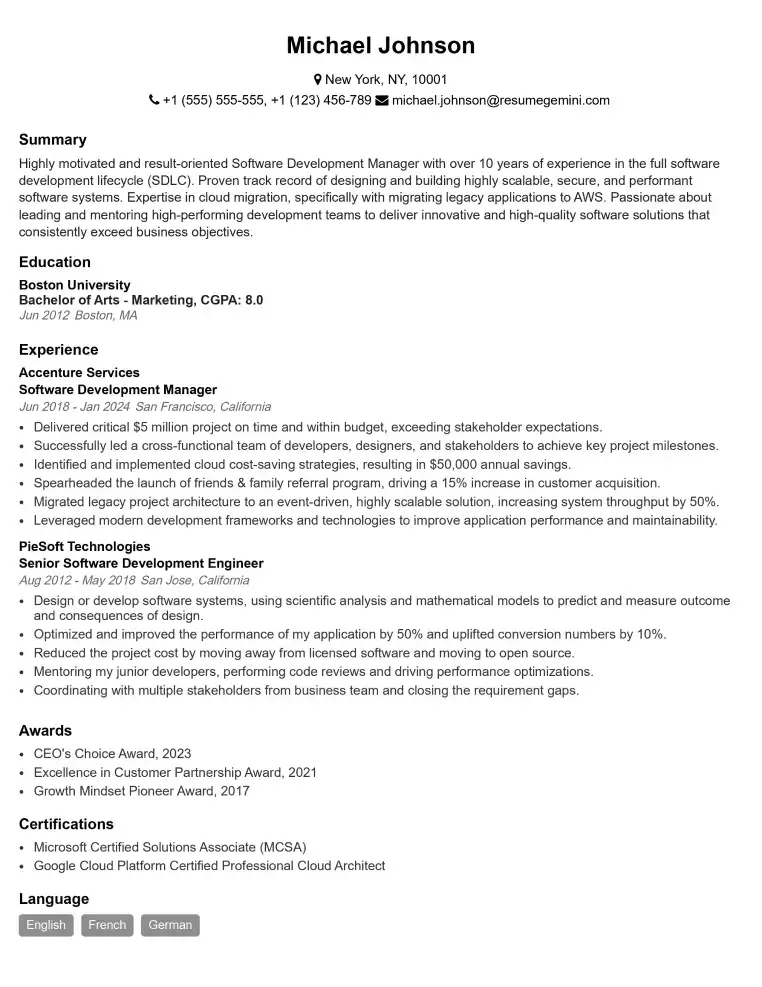
Elevate your job search with our premium resume templates. Here is an amazing resume template that can be used to build a professional and elegant resume. You can build a resume from scratch or revamp your existing resume. Impress hiring managers and secure your next opportunity.
- Top 50 Most Common Interview Questions
- The Psychology of a Great Resume: Hacks to Impress Recruiters
- What Mistakes to Avoid When Writing a Resume: A Comprehensive Guide
- Elevate Your Career with Expert Resume Building: Introducing ResumeGemini
- How to Write a Resume Using Google Gemini: Step-by-Step Guide