





In the ever-evolving landscape of the modern job market, career change has become increasingly commonplace. Advances in technology, globalization, and shifting industry trends have made it necessary for individuals to adapt and reinvent themselves throughout their professional lives. Whether you’re seeking a complete career pivot or simply aiming to enhance your current skillset, navigating the path to a fulfilling new career can be daunting. This comprehensive guide will empower you with a step-by-step roadmap to career change success in 2026.
Why Career Change is More Common Than Ever
In today’s dynamic business environment, career change is no longer an exception but rather an expectation. Here are some key factors contributing to its prevalence:
- Technological advancements: Automation and artificial intelligence are transforming industries, making certain job roles obsolete and creating new ones.
- Globalization: The rise of remote work and international collaboration has opened up a wider pool of job opportunities, prompting individuals to explore careers beyond their local markets.
- Changing industry landscape: The emergence of new industries and the decline of others necessitate adaptability and the ability to acquire new skills to stay relevant.
- Increased lifespan: With people living longer, the traditional concept of a single career path no longer suffices. Individuals now seek multiple fulfilling careers throughout their lives.
7 Steps to a Successful Career Change
Embarking on a career change requires introspection, research, and a strategic plan. Follow these seven steps to maximize your chances of success:
1. Self-Assessment: Explore Your Interests, Values, and Skills
The foundation of a successful career change lies in self-awareness. Take time to reflect on your interests, values, and skills. Ask yourself the following questions:
- What activities bring you joy and fulfillment?
- What are your core values and how do they align with potential careers?
- What are your strengths and weaknesses? How transferable are your skills?
2. Research: Identify Industries and Roles That Align with Your Goals
Once you have a clear understanding of your interests and skills, begin researching industries and roles that align with your aspirations. Consider the following:
- Industry outlook: Research the growth potential, job availability, and salary expectations in different industries.
- Job descriptions: Review job descriptions for target roles to understand the required qualifications and responsibilities.
- Networking: Attend industry events and connect with professionals in your field of interest to gain insights.
3. Networking: Connect with Professionals in Your Target Field
Networking is crucial for career change success. Attend industry events, join LinkedIn groups, and reach out to professionals in your target field. Building connections can provide valuable information, mentorship opportunities, and potential job leads.
4. Education and Training: Acquire New Skills to Enhance Your Marketability
If necessary, invest in education and training to acquire new skills that align with the requirements of your target career. Consider the following options:
- Degree programs: Pursuing a graduate degree or certification can significantly enhance your credibility and marketability.
- Online courses: Online platforms like Coursera and edX offer flexible and affordable options to acquire new skills.
- Workshops and seminars: Industry-specific workshops and seminars can provide hands-on training and networking opportunities.
5. Create a Transition Plan: Outline Your Strategy for Entering the New Career
Develop a detailed transition plan that outlines your steps for entering the new career, including timelines, milestones, and potential challenges. Consider the following:
- Set realistic goals: Break down your plan into manageable chunks to avoid feeling overwhelmed.
- Identify milestones: Celebrate your progress and stay motivated by setting achievable milestones.
- Anticipate challenges: Foresee potential roadblocks and develop strategies to overcome them.
6. Build a Targeted Resume and Cover Letter: Highlight Relevant Skills and Experience
When applying for jobs in your new field, tailor your resume and cover letter to each specific position. Highlight your transferable skills and experience that are relevant to the role. Consider the following:
- Use keywords: Include industry-specific keywords throughout your resume and cover letter to increase your visibility to recruiters.
- Quantify your accomplishments: Use numbers and metrics to demonstrate the impact of your work in previous roles.
- Seek professional feedback: Ask a career counselor or mentor to review your resume and cover letter for feedback.
7. Embrace the Journey: Stay Persistent and Adaptable Throughout the Process
Career change is a journey, not a destination. Embrace the challenges and setbacks as opportunities for growth. Stay persistent, adaptable, and open to learning new things along the way. Remember:
- Be patient: Career change takes time and effort. Don’t get discouraged if you don’t see immediate results.
- Stay flexible: Be prepared to adjust your plan as needed and explore alternative paths if necessary.
- Never stop learning: Continuously develop your skills and knowledge to stay competitive in your new field.
Career Expert Tips:
- Select the ideal resume template to showcase your professional experience effectively.
- Master the art of resume writing to highlight your unique qualifications and achievements.
- Checkout the resume writing tips for guidance and best practices.
- Make your 2025 brighter with a new job. Build a powerful resume with ResumeGemini and save big, enjoy exclusive discounts on premium templates.
Frequently Asked Questions (FAQ’s)
What are the benefits of making a career change?
Embarking on a career change can unlock a world of benefits, both personal and professional. Here are compelling reasons why you should consider making a switch:
- Increased job satisfaction: Pursuing a career that aligns with your passions and interests can lead to greater fulfillment and motivation in your work.
- Enhanced earning potential: Exploring new industries or positions with higher earning capacities can provide financial growth opportunities.
- Improved work-life balance: Some career changes allow for more flexible work arrangements, better benefits, or reduced stress levels, promoting a healthier work-life balance.
- Personal growth and development: Embracing a new career path can challenge you to learn new skills, expand your knowledge base, and foster personal growth.
- Increased job security: Shifting to in-demand or growing fields can enhance your job security and reduce the risk of layoffs during economic downturns.
How can I identify my transferable skills for a new career?
Identifying your transferable skills is crucial for a successful career change. Here’s how you can uncover these valuable assets:
- Review your past experiences: Analyze your previous roles and responsibilities, both paid and unpaid, to recognize the skills you’ve developed and honed.
- Seek feedback: Ask colleagues, supervisors, and mentors for their insights into your strengths and transferable skills.
- Take skills assessments: Utilize online tools or consult with career counselors to assess your skills and identify areas where you excel.
- Research industry-specific skills: Explore job descriptions in your desired field to identify the skills that are most sought after and align your transferable skills accordingly.
What are the most in-demand careers in 2026?
The job market is constantly evolving, and staying informed about the most in-demand careers can help you make a strategic career change. Here are some projected high-growth fields for 2026:
- Healthcare: With the aging population and advancements in medical technology, healthcare professionals such as nurses, doctors, and medical technicians are expected to be in high demand.
- Technology: The tech industry continues to boom, with roles in software development, data science, and cybersecurity being particularly sought after.
- Education: As the population grows and the need for quality education persists, teachers, educational administrators, and instructional designers are expected to be in high demand.
- Renewable energy: The push towards sustainability has created a growing demand for professionals in renewable energy fields, such as solar and wind energy.
- E-commerce: The rise of online shopping has led to an increased need for professionals in e-commerce, including web developers, digital marketers, and supply chain managers.
How can I network effectively to find new career opportunities?
Networking is a powerful tool for discovering new career opportunities. Here are some effective strategies for building connections:
- Attend industry events: Conferences, seminars, and meetups provide excellent opportunities to connect with professionals in your field and learn about potential job openings.
- Join professional organizations: Becoming a member of professional organizations related to your industry allows you to network with like-minded individuals and access exclusive job boards.
- Leverage social media: Use platforms like LinkedIn to connect with professionals in your desired field, share your expertise, and engage in relevant discussions.
- Inform your network: Let your friends, family, and former colleagues know that you are open to new career opportunities. They may have valuable connections or leads to share.
What types of education and training programs can help me prepare for a career change?
Investing in education and training can significantly enhance your prospects for a successful career change. Consider the following options:
- Degree programs: Earning a bachelor’s or master’s degree in a new field can provide you with the necessary knowledge and skills to transition into a different career.
- Certificate programs: Shorter-term certificate programs can provide specialized training in specific skill areas, making you a more attractive candidate for certain roles.
- Online courses: Online courses and MOOCs (Massive Open Online Courses) offer flexible and affordable ways to acquire new skills and knowledge.
- Workshops and seminars: Attending workshops and seminars can provide hands-on experience and insights into specific aspects of your desired field.
How do I create a resume and cover letter that will stand out in a career change scenario?
Crafting a compelling resume and cover letter is crucial for a successful career change. Here are some tips to make your application stand out:
- Tailor your resume and cover letter to each job: Highlight the skills and experiences that are most relevant to the specific role you’re applying for.
- Emphasize transferable skills: Showcase how your skills from previous roles can be applied to the new career you’re pursuing.
- Quantify your accomplishments: Use numbers and metrics to demonstrate the impact of your work and quantify your achievements.
- Get feedback: Ask a trusted friend, family member, or career counselor to review your resume and cover letter and provide constructive criticism.
What are the common challenges of career change and how can I overcome them?
Career change can come with its fair share of challenges. Here are some common obstacles and tips to overcome them:
- Lack of experience: Address this by highlighting transferable skills, volunteering in your desired field, or taking on freelance projects to gain relevant experience.
- Financial constraints: Explore scholarships, grants, part-time work, or online courses to make education and training more affordable.
- Ageism: Counteract age-related bias by emphasizing your adaptability, experience, and continued learning.
- Self-doubt: Believe in your abilities, seek support from mentors or career counselors, and focus on your strengths.
- Fear of the unknown: Embrace the uncertainty as an opportunity for growth, research your desired field thoroughly, and connect with individuals who have made similar career transitions.
Next Step:
If you’re considering a career change, it’s crucial to approach it strategically. By identifying your transferable skills, exploring in-demand fields, networking effectively, investing in education and training, and crafting a standout resume and cover letter, you can increase your chances of success.
Don’t let fear or uncertainty hold you back from pursuing a fulfilling and rewarding career. The benefits of career change can be immense, and with the right preparation and mindset, you can navigate the challenges and emerge with a brighter professional future.
Take the first step towards your dream career today. Use ResumeGemini to create a professional resume that will help you stand out in the job market and land your next opportunity.
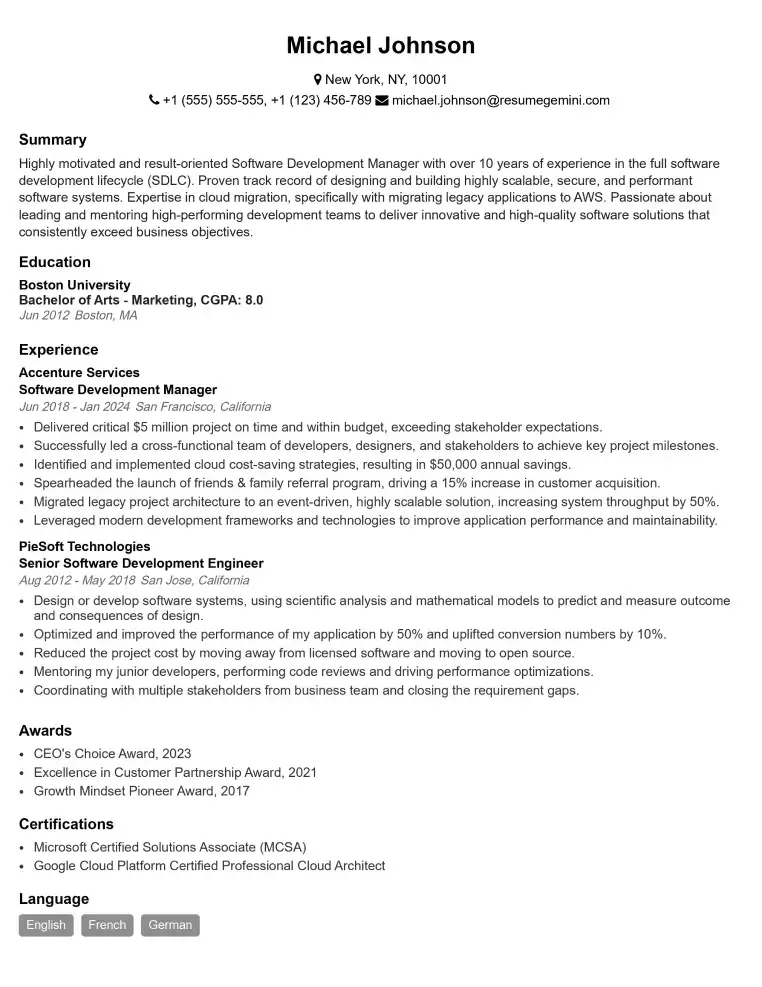
Elevate your job search with our premium resume templates. Here is an amazing resume template that can be used to build a professional and elegant resume. You can build a resume from scratch or revamp your existing resume. Impress hiring managers and secure your next opportunity.
- Top 50 Most Common Interview Questions
- The Psychology of a Great Resume: Hacks to Impress Recruiters
- What Mistakes to Avoid When Writing a Resume: A Comprehensive Guide
- Elevate Your Career with Expert Resume Building: Introducing ResumeGemini
- How to Write a Resume Using Google Gemini: Step-by-Step Guide