





Are you contemplating a career change but feeling overwhelmed by the thought of job hunting? By crafting a compelling resume that effectively bridges your experience and aspirations, you can increase your chances of successfully transitioning into your desired industry.
1. Identify Transferable Skills: Bridge the Gap
Start by identifying your transferable skills – those abilities and experiences that are relevant to your target industry, even if they were acquired in a different field. Highlight skills such as problem-solving, communication, data analysis, project management, and leadership. By emphasizing these transferable skills, you demonstrate your adaptability and ability to contribute to the new field.
2. Highlight Relevant Accomplishments: Showcase Your Value
When describing your work experience, focus on accomplishments that demonstrate your skills and achievements that are applicable to your target industry. Quantify your results whenever possible to provide tangible evidence of your impact. For instance, instead of simply stating that you “managed a team,” you could say, “Led a team of 10 engineers, resulting in a 20% increase in productivity within 6 months.” This quantifies your accomplishment and showcases your leadership and project management abilities.
3. Craft a Compelling Career Objective: Articulate Your Aspirations
Your career objective is a crucial part of your resume, as it provides a concise statement of your career transition goals. Start by expressing your interest in the target industry, highlighting your relevant experience and skills. Then, clearly state your career aspirations and how they align with the position you’re applying for. For example, you could write, “Seeking a Software Engineer position to leverage my experience in data analysis and problem-solving to contribute to the development of innovative software solutions.” This objective effectively summarizes your skills, interests, and transition goals.
4. Leverage Industry-Specific Keywords: Speak the Language
Research your target industry and identify the specific keywords and terms that are commonly used. Incorporate these keywords into your resume, especially in your skills section and career objective. By using industry-specific language, you demonstrate your understanding of the field and make it easier for potential employers to recognize your relevance to the role.
5. Showcase Your Passion and Enthusiasm: Convey Your Commitment
Your resume should convey your genuine interest and enthusiasm for your target industry. Highlight any relevant volunteer work, industry projects, or certifications that demonstrate your commitment to your new field. For example, if you’re transitioning into marketing, you could mention any marketing courses you’ve taken or any volunteer experience you have in marketing campaigns.
6. Consider Including a Skills Section: Emphasize Your Abilities
In addition to listing your skills in your experience section, consider creating a dedicated skills section. This section allows you to highlight additional relevant skills and abilities that may not be evident from your work experience. For instance, if you have experience in programming but have never worked as a software engineer, you could include a skills section that lists your proficiency in programming languages and software development tools.
7. Seek Mentorship or Guidance: Connect With Experts
Consider reaching out to professionals in your target industry for mentorship or guidance. Attend industry events, join online forums, or connect with individuals on LinkedIn. Seek advice on transitioning into the field, learn about industry trends, and gain valuable insights that can inform your job search.
8. Network and Attend Industry Events: Build Connections
Networking is crucial for career switchers. Attend industry events, conferences, and meetups to connect with potential employers and learn about job opportunities. By actively networking, you expand your professional network, gain access to non-advertised positions, and make a positive impression on industry professionals.
9. Stay Updated on Industry Trends: Demonstrate Your Adaptability
Demonstrate your commitment to your target industry by staying updated on the latest trends and advancements. Read industry publications, attend webinars, and engage in online discussions. By showcasing your knowledge of the field, you signal to potential employers that you are eager to learn, adapt, and contribute to the industry.
10. Tailor Your Resume to Each Job Application: Align With the Position
Remember to tailor your resume specifically to each job application. Carefully review the job description and identify the keywords and skills that are most relevant to the position. Highlight these skills and accomplishments in your resume to demonstrate how your experience and qualifications align with the role. By customizing your resume for each application, you increase your chances of impressing potential employers and securing interviews.
By following these tips, you can create a standout resume that effectively showcases your skills, experience, and passion for your new field. Remember, a career change is a journey, and with determination and a well-crafted resume, you can successfully transition into your desired industry.
For further assistance and access to a wide range of resume templates and writing tools, visit ResumeGemini.
Career Expert Tips:
- Select the ideal resume template to showcase your professional experience effectively.
- Master the art of resume writing to highlight your unique qualifications and achievements.
- Checkout the resume writing tips for guidance and best practices.
- Make your 2025 brighter with a new job. Build a powerful resume with ResumeGemini and save big, enjoy exclusive discounts on premium templates.
Frequently Asked Questions (FAQ’s)
How can I identify transferable skills that are relevant to my new career path?
Recognizing transferable skills is a crucial aspect of career transitioning. Begin by exploring your previous work experiences and pinpointing the skills you developed and utilized. These may include both technical and soft skills such as communication, problem-solving, teamwork, and adaptability. Transferable skills are versatile and can be applied across various industries and job roles. For example, if you are transitioning from marketing to project management, skills like stakeholder management, communication, and analytical thinking remain valuable.
What are some effective ways to highlight relevant accomplishments on my resume?
Accomplishments are quantifiable achievements that showcase your impact and contributions. To highlight them effectively on your resume:
- Quantify your accomplishments: Use specific numbers, metrics, and percentages to demonstrate the magnitude of your achievements. For instance, instead of stating “Managed social media campaigns,” say “Managed social media campaigns that generated a 25% increase in website traffic.”
- Use action verbs: Begin your accomplishment statements with strong action verbs that convey the impact of your actions. Instead of “Developed marketing materials,” use “Developed marketing materials that led to a 15% increase in sales.”
- Tailor to the job description: Carefully review the job description and identify keywords and requirements. Then, highlight accomplishments that align with those criteria.
- Use a consistent format: Maintain a consistent format for presenting your accomplishments, such as the “STAR” method (Situation, Task, Action, Result).
How do I write a compelling career objective that effectively communicates my transition goals?
A well-crafted career objective is essential for career switchers as it communicates your transition goals and value proposition. To write a compelling career objective:
- State your current career status: Briefly mention your current career situation, such as “Seasoned marketing professional seeking to transition into project management.”
- Express your transition goals: Clearly state your desired career path and industry. For example, “Seeking a Project Manager role in the technology sector to leverage my expertise in strategic planning and execution.”
- Highlight transferable skills: Emphasize the transferable skills and experience that make you a suitable candidate for the new career path.
- Convey your enthusiasm: Express your passion and interest in the new career path.
- Keep it concise: Aim for a concise and impactful career objective, typically around 2-3 sentences.
Why is it important to tailor my resume for each job application when career switching?
Tailoring your resume for each job application demonstrates your interest in the specific role and organization. By doing so:
- You increase relevance: Highlighting skills and experiences that align with the job requirements makes your resume more relevant and likely to be shortlisted.
- You show attention to detail: Tailoring your resume shows that you have taken the time to understand the company and the specific role, indicating your attention to detail.
- You increase your chances of success: By addressing the specific needs of the job description, you increase your chances of being selected for an interview.
What are some common challenges faced by career switchers, and how can I overcome them?
Career switching often comes with its set of challenges, but with the right strategies, they can be overcome:
- Lack of direct experience: While you may not have direct experience in your desired field, focus on transferable skills and highlight how they can be applied to the new role.
- Age or career gap: Address any concerns related to age or career gaps proactively. Emphasize your skills, experience, and enthusiasm for the new career path.
- Lack of credibility: Build credibility by obtaining relevant certifications, taking online courses, or volunteering in the new field.
- Competition: Be prepared to face competition from candidates with direct experience. Highlight your unique skills, transferable experience, and determination to succeed.
- Networking: Attend industry events, connect with professionals on LinkedIn, and reach out to potential employers to expand your network.
How can ResumeGemini assist me in my career transition?
ResumeGemini provides invaluable assistance to career switchers with its comprehensive resume-building platform:
- ATS-friendly templates: ResumeGemini’s templates are optimized for Applicant Tracking Systems (ATS), increasing your chances of getting noticed by potential employers.
- Transferable skills library: The platform offers a library of transferable skills, making it easier to identify and highlight your relevant skills.
- Resume Critique: You can get your resume reviewed by professional resume writers for personalized feedback and improvement suggestions.
- Industry-specific resume samples: Explore a vast collection of industry-specific resume samples to gain insights into effective resume writing for your desired career path.
- One-time payment: ResumeGemini offers a one-time payment plan, eliminating any recurring charges.
Next Step:
Embark on your career transition journey with confidence. Visit ResumeGemini today to craft a compelling resume that will showcase your transferable skills and transition goals effectively. With ResumeGemini’s suite of tools and resources, you can navigate the challenges of career switching and land your dream job.
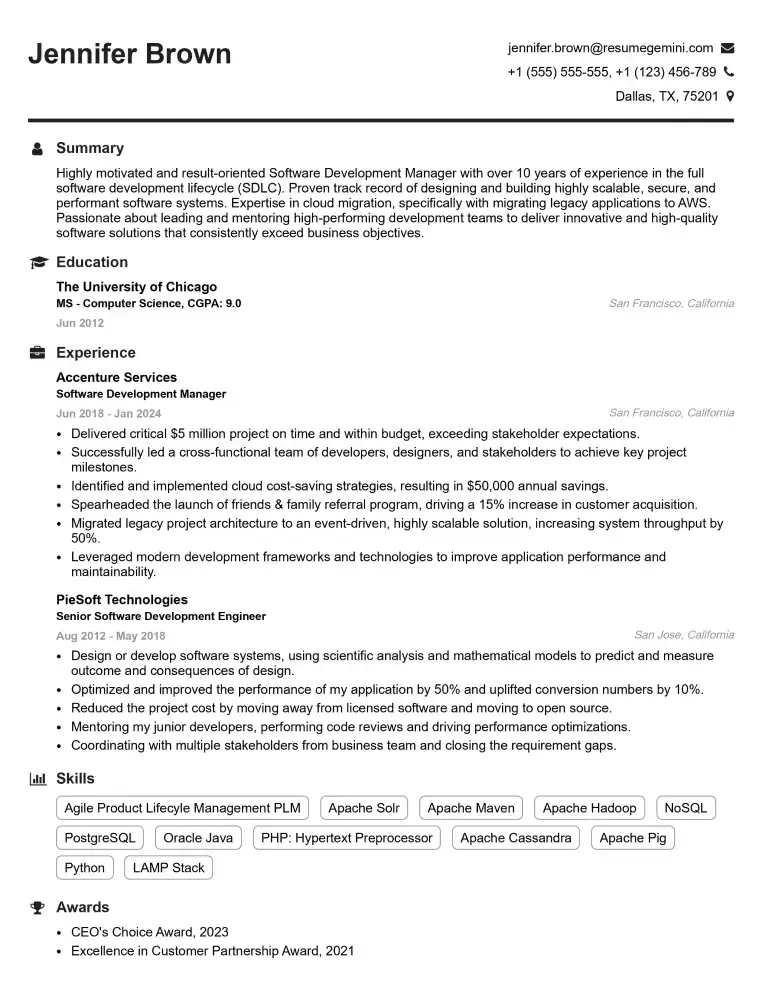
Elevate your job search with our premium resume templates. Here is an amazing resume template that can be used to build a professional and elegant resume. You can build a resume from scratch or revamp your existing resume. Impress hiring managers and secure your next opportunity.
- Top 50 Most Common Interview Questions
- The Psychology of a Great Resume: Hacks to Impress Recruiters
- What Mistakes to Avoid When Writing a Resume: A Comprehensive Guide
- Elevate Your Career with Expert Resume Building: Introducing ResumeGemini
- How to Write a Resume Using Google Gemini: Step-by-Step Guide