





As a mid-career professional, your resume serves as a vital roadmap showcasing your skills, experience, and accomplishments. However, as you navigate the dynamic job market, it’s essential to keep your resume updated and aligned with your career goals. Follow these seven proven tips to revamp your resume and stand out to hiring managers.
Tailor Your Resume to Your Target Jobs
Before you start writing, take the time to identify the specific roles and industries you’re interested in. Research the job descriptions for your target positions and carefully analyze the skills and qualifications they require. Use this information to tailor your resume, highlighting the relevant experiences and abilities that make you a suitable candidate for those roles.
Quantify Your Accomplishments
Numbers speak louder than words, especially on a resume. Whenever possible, quantify your accomplishments using specific metrics and data. For example, instead of stating “Led a team of engineers to develop a new product,” you could write “Led a team of engineers to develop a new product that resulted in a 20% increase in revenue.” This approach provides tangible evidence of your impact and contributions.
Showcase Transferable Skills
As you progress in your career, you may have gained valuable skills that are transferable to different industries or roles. For example, if you have experience in project management, leadership, or communication, be sure to highlight these skills on your resume, even if they were not directly related to your previous job title. Focus on transferable skills that are in high demand in your target industry.
Use Keywords and Industry Terms
Many companies use Applicant Tracking Systems (ATS) to screen resumes. These systems scan for specific keywords and terms related to the job requirements. Research the keywords that are relevant to your industry and target roles, and incorporate them naturally throughout your resume. However, avoid keyword stuffing, as it can make your resume appear spammy and decrease your chances of being selected by the ATS.
Proofread Carefully
A single typo or grammatical error can create a negative impression on employers. Before submitting your resume, proofread it carefully for any mistakes. Ask a friend, family member, or career counselor to review your resume as well. A fresh pair of eyes can often spot errors that you may have missed.
Consider a Professional Resume Builder
If you’re struggling to write a strong resume on your own, consider using a professional resume builder. These tools offer a wide range of templates and features that can help you create a polished and professional resume that stands out.
ResumeGemini is a leading resume builder that offers premium, ATS-friendly, customizable resume templates with over 3.6 million content examples. It provides a step-by-step process to help users create a resume, with tips on what to include in each section. Additional sections like Awards, Certifications, Languages, Accomplishments, Extra Curricular and References can be added based on industry and experience. Users can preview and personalize their resume with various templates, fonts, and color themes. The user can also choose the page size of the output PDF to be A4 or Letter. The service offers a one-time payment plan with no recurring charges. ResumeGemini also offers 45,000+ pre-built Resume Samples for different Job Titles so that user can edit and download the same resume sample. ResumeGemini has 12 unique Templates with each template having 5 unique color themes effectively giving 60 unique template options.
Avoid Common Resume Mistakes
Mid-career professionals should be mindful of common resume mistakes that can undermine their chances of success. These include:
- Using an outdated resume format or design
- Including irrelevant information or unnecessary details
- Writing in a passive or impersonal tone
- Failing to tailor your resume to each job you apply for
- Making grammatical or spelling errors
Conclusion
By implementing these proven tips, you can revamp your resume and make a strong impression on potential employers. Remember, your resume is an essential tool in your career journey, and it should be updated regularly to reflect your skills, experience, and career goals.
Career Expert Tips:
- Select the ideal resume template to showcase your professional experience effectively.
- Master the art of resume writing to highlight your unique qualifications and achievements.
- Checkout the resume writing tips for guidance and best practices.
- Make your 2025 brighter with a new job. Build a powerful resume with ResumeGemini and save big, enjoy exclusive discounts on premium templates.
Frequently Asked Questions (FAQ’s)
Why should I update my resume as a mid-career professional?
As a mid-career professional, your resume is a crucial tool for communicating your value and experience to potential employers. Updating your resume is essential for several reasons:
- To Reflect Your Current Skills and Experience: Your resume should accurately showcase your most recent skills, accomplishments, and career trajectory. Updating it ensures that it remains relevant and reflects the progress you’ve made throughout your career.
- To Adapt to Changing Job Market: The job market is constantly evolving, and so are the skills and qualifications that employers seek. By updating your resume, you can tailor it to the specific requirements of today’s job market, increasing your chances of landing interviews.
- To Highlight Career Goals and Aspirations: Your resume serves as a platform to convey your career aspirations and goals. As your career progresses, your goals may change, and your resume should reflect those aspirations.
What are the most important things to highlight on my resume?
When crafting a mid-career resume, focus on highlighting the following key elements:
- Quantified Accomplishments: Use specific metrics and data to demonstrate the impact of your contributions and quantify your successes.
- Transferable Skills: Emphasize skills that are relevant to your target roles, even if they were gained in different industries or positions.
- Relevant Experience: Prioritize experience that aligns with the job you’re applying for, showcasing your expertise and qualifications.
- Education and Certifications: Highlight any relevant degrees, certifications, or training programs that enhance your credibility and demonstrate your commitment to professional development.
What should I include and exclude from my resume?
Include:
- Contact information: Name, email address, phone number, and LinkedIn profile URL.
- Professional summary: A concise statement summarizing your skills, experience, and career aspirations.
- Work experience: List your relevant work history in reverse chronological order, highlighting your accomplishments and responsibilities.
- Education: Include your degrees, certifications, and any relevant training programs.
- Skills: A tailored list of hard and soft skills that match the requirements of your target roles.
Exclude:
- Irrelevant information: Personal information (age, gender, marital status), hobbies, or unrelated experience.
- Outdated experience: Generally, only include experience from the past 10-15 years unless it is highly relevant to your current career goals.
- Negative or controversial information: Avoid including anything that could potentially damage your professional reputation.
How do I write a strong resume summary and objective statement?
Resume Summary:
- Keep it concise, typically 2-3 sentences.
- Quantify your accomplishments whenever possible.
- Tailor it to the specific job you’re applying for, highlighting relevant skills and experience.
- State your career goal and how your skills and experience align with the position.
- Keep it brief and specific, around 2-3 sentences.
- Tailor it to each job application, demonstrating your interest in the specific role and company.
How can I use keywords to optimize my resume for ATS?
Applicant Tracking Systems (ATS) use keywords to scan and rank resumes. To optimize your resume for ATS, follow these tips:
- Identify Relevant Keywords: Research the job description and industry to identify the most relevant keywords related to the position you’re applying for.
- Use Keywords Naturally: Integrate keywords into your resume content, including your summary, experience descriptions, and skills section. Avoid keyword stuffing, as it can harm your ranking.
- Use Synonyms and Related Terms: Expand your keyword usage by using synonyms and related terms to increase the chances of your resume being found by ATS.
- Consider a Skills Matrix: Some ATS systems allow for a separate skills matrix or keywords section. Use this space to list your most relevant skills and keywords.
What are some common resume mistakes that I should avoid?
To ensure a strong and effective mid-career resume, avoid these common mistakes:
- Lack of Focus: Avoid including irrelevant or outdated information that doesn’t support your career goals.
- Insufficient Detail: Provide specific details and accomplishments in your experience descriptions. General statements without quantifiable results weaken your resume.
- Typos and Errors: Proofread your resume carefully for any typos, grammatical errors, or formatting issues that could damage your credibility.
- Inconsistent Formatting: Maintain a consistent formatting style throughout your resume, using the same font, font size, and spacing, to enhance readability and professionalism.
Next Step:
Reinvigorate your job search with a resume that reflects your mid-career expertise. ResumeGemini offers a comprehensive suite of templates, tools, and guidance to help you create a standout mid-career resume that will captivate employers and accelerate your career trajectory. Get started today and unlock your professional potential.
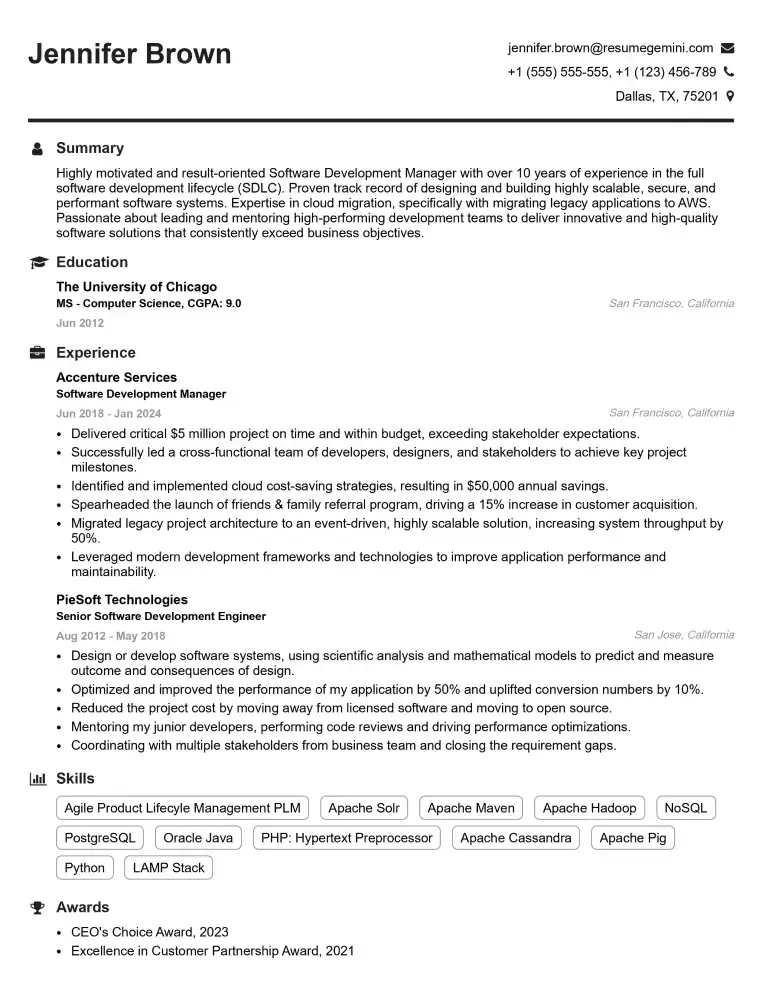
Elevate your job search with our premium resume templates. Here is an amazing resume template that can be used to build a professional and elegant resume. You can build a resume from scratch or revamp your existing resume. Impress hiring managers and secure your next opportunity.
- Top 50 Most Common Interview Questions
- The Psychology of a Great Resume: Hacks to Impress Recruiters
- What Mistakes to Avoid When Writing a Resume: A Comprehensive Guide
- Elevate Your Career with Expert Resume Building: Introducing ResumeGemini
- Crafting Your First Impression: How To Make Free Resume Online For Freshers