





In today’s competitive job market, a well-crafted cover letter can make all the difference in securing your dream job. This comprehensive guide will provide you with everything you need to know to write a compelling cover letter that will capture the attention of hiring managers and land you the interview you deserve. Let’s dive right in!
Craft a Captivating Introduction
The first few sentences of your cover letter are crucial as they determine whether the hiring manager will continue reading or discard your application. Start with a strong hook that grabs their attention, such as a relevant fact, statistic, or quote. Briefly explain how your skills and experience align with the job requirements, and state why you’re the ideal candidate for the role. Keep your introduction concise and impactful.
Showcase Your Skills and Experience
In the body of your cover letter, delve into the details of your skills and experience that are most relevant to the job you’re applying for. Use specific examples to demonstrate how you’ve applied these skills in previous roles and the positive outcomes you achieved. Quantify your accomplishments whenever possible to provide tangible evidence of your impact. Highlight any unique abilities or experiences that set you apart from other candidates.
Demonstrate Your Passion for the Role
Hiring managers want to know that you’re genuinely interested in the position and the company. Express your enthusiasm for the role and the organization’s mission. Explain why you’re drawn to the company’s values, products, or services. Share any relevant personal experiences or research that demonstrates your passion for the industry. Your genuine interest will shine through and make you a more compelling candidate.
Tailor Your Letter to Each Job Application
Don’t make the mistake of sending out generic cover letters for every job application. Take the time to tailor your letter to each specific position you’re applying for. Carefully read the job description and identify the key skills and qualifications required. Highlight the aspects of your experience that best match these requirements and demonstrate how you can contribute to the company’s goals.
Proofread and Edit Carefully
Before submitting your cover letter, take the time to proofread it carefully for any errors in grammar, spelling, or punctuation. Typos and mistakes can create a negative impression and undermine your credibility. Ask a friend, family member, or career counselor to review your letter and provide feedback. Use spell-checking tools and online grammar checkers to ensure your letter is polished and error-free.
Keep Your Letter Concise and Engaging
Hiring managers are busy people, so it’s important to keep your cover letter concise and easy to read. Aim for a length of around 250-400 words or one page. Use clear and concise language, and avoid using jargon or technical terms that may not be understood by everyone. Break up your text into short paragraphs and use bullet points or lists to enhance readability.
Use a Strong Call to Action
End your cover letter with a strong call to action that encourages the hiring manager to take the next step. Politely express your interest in further discussing your qualifications and how you can contribute to the company. You can also include a question or request for feedback. This shows that you’re confident in your abilities and eager to learn more about the opportunity.
Consider Using a Cover Letter Builder
If you’re struggling to write a compelling cover letter, consider using a cover letter builder like ResumeGemini. These tools provide pre-written templates and examples that can help you craft a professional and effective cover letter in minutes. Simply select the template that best suits your needs and fill in the blanks with your specific information and experience.
Get Expert Feedback on Your Letter
Once you’ve written your cover letter, it’s helpful to get feedback from an expert. A career counselor or professional resume writer can provide valuable insights and suggestions to improve your letter’s overall impact. They can assess your content, structure, grammar, and formatting, and help you ensure that your letter is tailored to the specific job requirements.
Follow Up with Confidence
After submitting your cover letter and resume, don’t be afraid to follow up with the hiring manager. A well-timed follow-up email or phone call can demonstrate your continued interest in the position and help you stand out from other candidates. Be polite and professional in your follow-up, and inquire about the status of your application. This shows that you’re proactive and eager to make a positive impression.
Career Expert Tips:
- Select the ideal resume template to showcase your professional experience effectively.
- Master the art of resume writing to highlight your unique qualifications and achievements.
- Checkout the resume writing tips for guidance and best practices.
- Make your 2025 brighter with a new job. Build a powerful resume with ResumeGemini and save big, enjoy exclusive discounts on premium templates.
Frequently Asked Questions (FAQ’s)
What are the most common mistakes people make when writing cover letters?
Cover letters are crucial for job applications, but many candidates make common mistakes that can hinder their chances of success:
- Generic and Unfocused: Writing a generic cover letter that doesn’t address the specific job or company shows a lack of effort and tailoring.
- Lack of Research: Failing to research the company and position before writing the cover letter can result in missed opportunities to highlight relevant experience and skills.
- Typos and Grammatical Errors: Submitting a cover letter with errors can create a negative impression and detract from the candidate’s professionalism.
- Inaccurate or Exaggerated Information: Providing false or misleading information can damage the candidate’s credibility and jeopardize their chances.
- Exceeding the Recommended Length: Cover letters should be concise and to the point. Exceeding the recommended length can make it difficult for hiring managers to quickly grasp the candidate’s key qualifications.
How can I write a cover letter that stands out from the crowd?
To write a standout cover letter, consider the following tips:
- Tailor Your Content: Research the company and position thoroughly to identify keywords and highlight how your skills and experience align with their needs.
- Quantify Your Accomplishments: Use specific numbers and metrics to demonstrate the impact of your work and quantify your results.
- Showcase Your Enthusiasm: Express your genuine interest and passion for the company and the position. Hiring managers appreciate candidates who are excited about the opportunity.
- Proofread Carefully: Ensure your cover letter is free of errors in grammar, spelling, and formatting. A polished and error-free cover letter reflects your attention to detail and professionalism.
- Use a Strong Call to Action: End your cover letter with a confident and professional tone, expressing your desire for an interview and encouraging the hiring manager to contact you.
What are the key elements of a strong cover letter?
A strong cover letter typically includes the following key elements:
- Professional Header: Your cover letter should begin with a professional header that includes your name, contact information, and the date.
- Formal Salutation: Address the hiring manager by name if possible. If the name is unavailable, use a generic salutation like “Dear Hiring Manager.”
- Attention-Grabbing Introduction: Start with a strong opening sentence that captures the attention of the hiring manager and highlights your key qualifications.
- Body Paragraphs: Use the body paragraphs to elaborate on your skills, experience, and how they align with the requirements of the job. Provide specific examples and quantify your accomplishments whenever possible.
- Closing Paragraph: Conclude your cover letter by reiterating your interest in the position and expressing your desire for an interview. Thank the hiring manager for their time and consideration.
How do I tailor my cover letter to each job application?
Tailoring your cover letter to each job application is crucial to demonstrate your genuine interest in the position and understanding of the company’s needs:
- Analyze the Job Description: Carefully review the job description and identify the key skills, responsibilities, and qualifications required for the role.
- Highlight Relevant Experience: Focus on highlighting the skills and experience that are most relevant to the job requirements. Use specific examples to demonstrate how your past accomplishments align with the company’s needs.
- Use Keywords: Incorporate relevant keywords from the job description into your cover letter to increase its visibility to Applicant Tracking Systems (ATS).
- Research the Company: Visit the company’s website and social media pages to gather information about their culture, values, and recent achievements. This will help you tailor your cover letter to the company’s specific interests.
- Proofread and Adjust: After tailoring your cover letter, proofread it carefully and make any necessary adjustments to ensure it is error-free and flows well.
What is the best way to proofread and edit my cover letter?
To ensure your cover letter is polished and error-free, follow these proofreading and editing tips:
- Read Aloud: Read your cover letter aloud to identify any awkward phrasing or grammatical errors.
- Check for Typos: Carefully check for typos, misspellings, and punctuation errors.
- Verify Facts: Ensure that all the information provided in your cover letter is accurate and can be verified.
- Seek Feedback: Ask a trusted friend, family member, or colleague to review your cover letter and provide feedback on its clarity and impact.
- Use Grammar Checking Tools: Utilize grammar checking tools to identify any errors that you may have missed. However, rely on these tools as a supplement to your own proofreading, as they are not always 100% accurate.
How long should my cover letter be?
The ideal length of a cover letter is typically one page, or around 3-4 paragraphs. Hiring managers often have limited time to review applications, so a concise and well-organized cover letter that provides all the necessary information is preferred.
What is the best way to end a cover letter?
To end your cover letter on a strong note, consider the following tips:
- Reiterate Your Interest: Briefly reiterate your interest in the position and the company.
- Express Appreciation: Thank the hiring manager for their time and consideration.
- State Your Availability: Indicate your availability for an interview and provide a preferred method of contact.
- Use a Professional Closing: End your cover letter with a professional closing, such as “Sincerely” or “Best regards.”
- Proofread Carefully: Ensure that your closing is error-free and conveys a professional and positive tone.
Should I use a cover letter builder?
While cover letter builders can provide a starting point, it’s important to note their limitations:
- Generic Content: Pre-built templates may produce generic cover letters that lack personalization and fail to highlight your unique qualifications.
- Inflexible Formatting: Builders often offer limited formatting options, which can restrict your ability to customize the appearance of your cover letter to match your personal brand.
- Potential Errors: Automated tools may introduce errors or inconsistencies in grammar, spelling, or formatting.
- Lack of Customization: Builders may not allow for the level of customization necessary to tailor your cover letter to each specific job application.
- Time Consumption: Using a builder can be time-consuming, as you may need to spend significant time editing and customizing the generated content.
Next Step:
Harness the power of ResumeGemini to create a compelling cover letter that will make a lasting impression on hiring managers. With our intuitive platform, you can easily tailor your cover letter to each job application, ensuring that your application stands out from the crowd. Our comprehensive library of pre-built cover letter templates and writing tips will guide you every step of the way. Start creating your winning cover
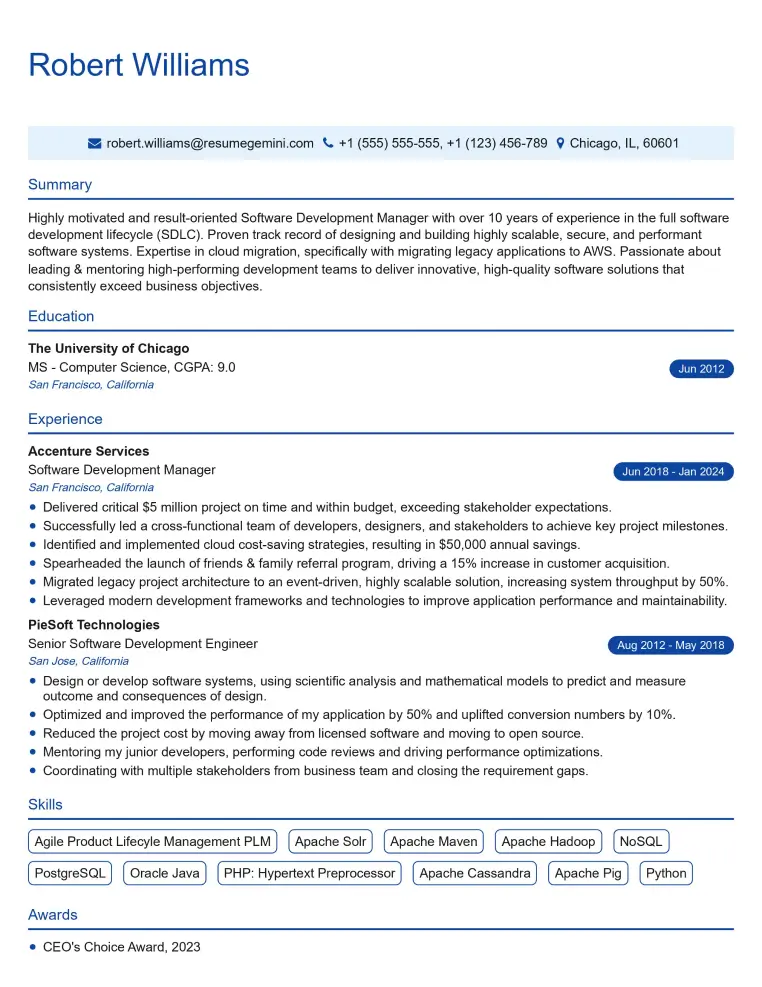
Elevate your job search with our premium resume templates. Here is an amazing resume template that can be used to build a professional and elegant resume. You can build a resume from scratch or revamp your existing resume. Impress hiring managers and secure your next opportunity.
- Top 50 Most Common Interview Questions
- The Psychology of a Great Resume: Hacks to Impress Recruiters
- What Mistakes to Avoid When Writing a Resume: A Comprehensive Guide
- Elevate Your Career with Expert Resume Building: Introducing ResumeGemini
- How to Write a Resume Using Google Gemini: Step-by-Step Guide