





In today’s competitive job market, a well-crafted resume is not just a piece of paper; it’s a strategic tool that can make all the difference between landing an interview and getting lost in the shuffle. A targeted resume, tailored specifically to each job you apply for, is the key to unlocking your dream job.
Step 1: Identifying Your Target Audience and Job Market
Before you start writing, take some time to identify your target audience – the specific companies and hiring managers you want to impress. Research the industries you’re interested in, the companies you admire, and the specific roles you’re targeting. This will help you tailor your resume to speak directly to their needs and interests. Remember, just as you research and apply for jobs, companies similarly research and understand profiles of suitable candidates.
Step 2: Researching and Understanding Job Descriptions
Once you know your target audience, it’s time to dive into the job descriptions for the positions you’re applying for. Read them carefully, paying attention to the required skills, experience, and qualifications. Note the keywords and phrases that are used repeatedly. These keywords are essential to include in your resume, as they will help you match the job requirements and pass the initial screening process.
Step 3: Crafting a Compelling Resume Headline and Summary
Think of your resume headline as a captivating movie title – it should be short, catchy, and give the reader a brief glimpse of your value proposition. Your headline should summarize your core skills, experience, and career goals. Your resume summary, on the other hand, is your chance to expand on your headline and sell yourself in 2-3 sentences. Highlight your most relevant accomplishments and skills, and tailor it to each job you apply for.
Step 4: Highlighting Relevant Skills and Experience
The skills section of your resume is where you showcase your abilities and expertise. List your hard skills, such as software proficiency and technical abilities, as well as your soft skills, such as communication and teamwork. Use action verbs to describe your accomplishments and quantify your results whenever possible. For example, instead of writing “Managed a team of 10,” you could write “Managed a team of 10, resulting in a 20% increase in productivity.”
Step 5: Quantifying Your Accomplishments
Numbers talk louder than words, so whenever possible, use specific numbers and metrics to quantify your accomplishments. This will help your resume stand out and make your impact more tangible. For example, instead of writing “Increased sales,” you could write “Increased sales by 15% over a six-month period.”
Step 6: Tailoring Your Resume to Each Job Application
Avoid the temptation to use the same generic resume for every job you apply for. Take the time to tailor your resume to each specific position you’re applying for. This means customizing your headline and summary to reflect the job requirements, including relevant keywords, and highlighting the skills and experience that are most relevant to the role. ResumeGemini offers customizable templates to achieve your goal of tailoring your resume to each job application.
Step 7: Formatting and Design
While the content of your resume is paramount, don’t neglect its visual appeal. A well-formatted and visually appealing resume is easier to read and more likely to make a positive impression on the hiring manager. Use clear fonts, appropriate spacing, and a professional design template to make your resume stand out.
Step 8: Proofreading and Editing
Before you hit the send button, take the time to proofread your resume carefully for any errors in grammar, spelling, or punctuation. A resume with errors can reflect poorly on your attention to detail and professionalism. Ask a trusted friend, family member, or colleague to review your resume and provide feedback.
Step 9: Using a Resume Builder Tool
If you’re short on time or need some assistance in creating a professional-looking resume, consider using a resume builder tool like ResumeGemini. These tools provide customizable templates, pre-written content examples, and expert guidance to help you create a resume that stands out.
Step 10: Getting Feedback and Iterating
Once you’ve created your resume, don’t be afraid to get feedback from others. Ask a career counselor, recruiter, or trusted mentor to review your resume and provide constructive criticism. Use their feedback to iterate and improve your resume over time. Remember, your resume is a living document that should be updated and refined as your career progresses.
Follow these 10 steps to write a targeted resume that gets results. Remember, a targeted resume is not just a list of your skills and experience; it’s a strategic tool that can help you land your dream job. By taking the time to tailor your resume to each job you apply for, you’re increasing your chances of success.
Career Expert Tips:
- Select the ideal resume template to showcase your professional experience effectively.
- Master the art of resume writing to highlight your unique qualifications and achievements.
- Checkout the resume writing tips for guidance and best practices.
- Make your 2025 brighter with a new job. Build a powerful resume with ResumeGemini and save big, enjoy exclusive discounts on premium templates.
Frequently Asked Questions (FAQ’s)
Q1. How do I write a targeted resume?
Crafting a targeted resume requires meticulous attention to tailoring your resume to each specific job application. Here’s a comprehensive guide to help you create an effective targeted resume:
- Research the Job Description Thoroughly: Begin by meticulously analyzing the job description, paying close attention to the responsibilities, qualifications, and keywords mentioned.
- Identify Relevant Skills and Experience: Carefully review your skills and experience, pinpointing those that align most closely with the requirements of the job you’re applying for. Highlight these relevant attributes prominently in your resume.
- Quantify Your Accomplishments: When describing your accomplishments, strive to use specific, quantifiable metrics to demonstrate the impact of your contributions. For instance, instead of stating “managed a team,” you could write “led a team of 10 engineers, resulting in a 20% increase in project completion rate.”
- Customize Your Resume: Avoid using a generic resume for all job applications. Instead, tailor your resume to each specific position by highlighting the skills and experience that are most relevant to the particular job description.
- Review and Proofread Carefully: Before submitting your resume, take the time to thoroughly review and proofread it for any errors in grammar, spelling, or formatting. A polished and error-free resume will make a positive impression on potential employers.
Q2. What are the most important elements of a targeted resume?
A well-crafted targeted resume typically includes the following essential elements:
- Contact Information: Place your name, address, phone number, and email address prominently at the top of your resume. Ensure that your contact information is accurate and up-to-date.
- Summary or Objective Statement: Begin your resume with a concise summary or objective statement that highlights your key skills, experience, and career goals. Tailor this statement to the specific job you’re applying for, emphasizing the most relevant aspects of your background.
- Skills Section: Create a dedicated skills section that showcases your proficiency in both hard and soft skills. Hard skills are specific, technical abilities, while soft skills are more general, transferable skills such as communication or problem-solving.
- Experience Section: List your relevant work experience in reverse chronological order, starting with your most recent position. For each job, include the company name, job title, dates of employment, and a brief description of your responsibilities and accomplishments.
- Education Section: Mention your educational qualifications, including the name of the institution, degree obtained, and dates of attendance. If your education is particularly relevant to the job you’re applying for, you may want to provide additional details about your coursework or research projects.
Q3. How do I research and understand job descriptions?
To effectively research and understand job descriptions, follow these steps:
- Identify Keywords: Carefully read the job description and identify the key skills, experience, and qualifications that the employer is seeking. These keywords will help you tailor your resume to the specific requirements of the job.
- Analyze the Company: Research the company’s website, social media pages, and industry news to gain insights into their culture, values, and business goals. This information will help you understand the context of the job and tailor your resume accordingly.
- Network with Professionals: Connect with professionals in your field or industry who have similar roles to the one you’re applying for. They can provide valuable insights into the job requirements and the company’s expectations.
- Use Online Resources: Utilize online resources such as LinkedIn, Glassdoor, and Indeed to gather information about the company and the specific job position. These platforms often provide insights from current and former employees, giving you a deeper understanding of the role.
Q4. How can I highlight my relevant skills and experience?
To highlight your relevant skills and experience effectively, consider the following strategies:
- Use Action Verbs: When describing your accomplishments, use strong action verbs that convey the impact and value of your contributions. For example, instead of “managed projects,” write “successfully led and executed multiple projects, resulting in a 15% increase in revenue.”
- Quantify Your Results: Whenever possible, quantify your accomplishments using specific metrics and data. This will provide tangible evidence of your contributions and make your resume more persuasive.
- Use Keywords: Incorporate relevant keywords from the job description into your resume, particularly in the skills section and throughout your experience descriptions. This will help your resume get noticed by applicant tracking systems (ATS) and make it easier for hiring managers to identify your qualifications.
- Tailor Your Resume: Customize your resume for each job application by highlighting the skills and experience that are most relevant to the specific role you’re applying for.
Q5. What is the best way to quantify my accomplishments on a resume?
Quantifying your accomplishments on a resume is crucial to demonstrate the impact of your contributions. Here are some tips to help you effectively quantify your achievements:
- Use Specific Metrics: Provide specific, quantifiable metrics whenever possible to support your claims. For instance, instead of stating “improved customer satisfaction,” write “enhanced customer satisfaction by 25%, leading to a 10% increase in sales.”
- Use Percentages and Dollar Amounts: Percentages and dollar amounts are effective ways to quantify your accomplishments and make them more tangible.
- Use Before-and-After Comparisons: Demonstrate the impact of your contributions by comparing results before and after your involvement. For example, “Reduced production costs by 15%, resulting in annual savings of $500,000.”
- Use Industry Benchmarks: If applicable, compare your accomplishments to industry benchmarks or best practices to provide context and demonstrate the significance of your achievements.
Q6. How do I tailor my resume to each job application?
Customizing your resume for each job application is essential to increase your chances of getting noticed by potential employers. Here are some tips for tailoring your resume effectively:
- Read the Job Description Carefully: Start by thoroughly reading the job description and identifying the key skills, experience, and qualifications that the employer is seeking.
- Highlight Relevant Skills and Experience: Once you have identified the relevant skills and experience, highlight them prominently in your resume. This can be done by including them in your summary or objective statement, skills section, and experience descriptions.
- Use Keywords: Incorporate relevant keywords from the job description into your resume. This will help your resume get noticed by applicant tracking systems (ATS) and make it easier for hiring managers to identify your qualifications.
- Customize Your Objective Statement: Tailor your resume’s objective statement to the specific job you’re applying for. This statement should briefly highlight your key skills and how they align with the requirements of the position.
- Review and Proofread Carefully: Before submitting your resume, take the time to thoroughly review and proofread it for any errors in grammar, spelling, or formatting. A polished and error-free resume will make a positive impression on potential employers.
Next Step:
Writing a targeted resume is crucial in today’s competitive job market. By following the steps outlined in this guide, you can create a resume that effectively conveys your value, increasing your chances of landing dream jobs. ResumeGemini offers a comprehensive suite of tools and resources to help you craft a standout resume that will make a lasting impression.
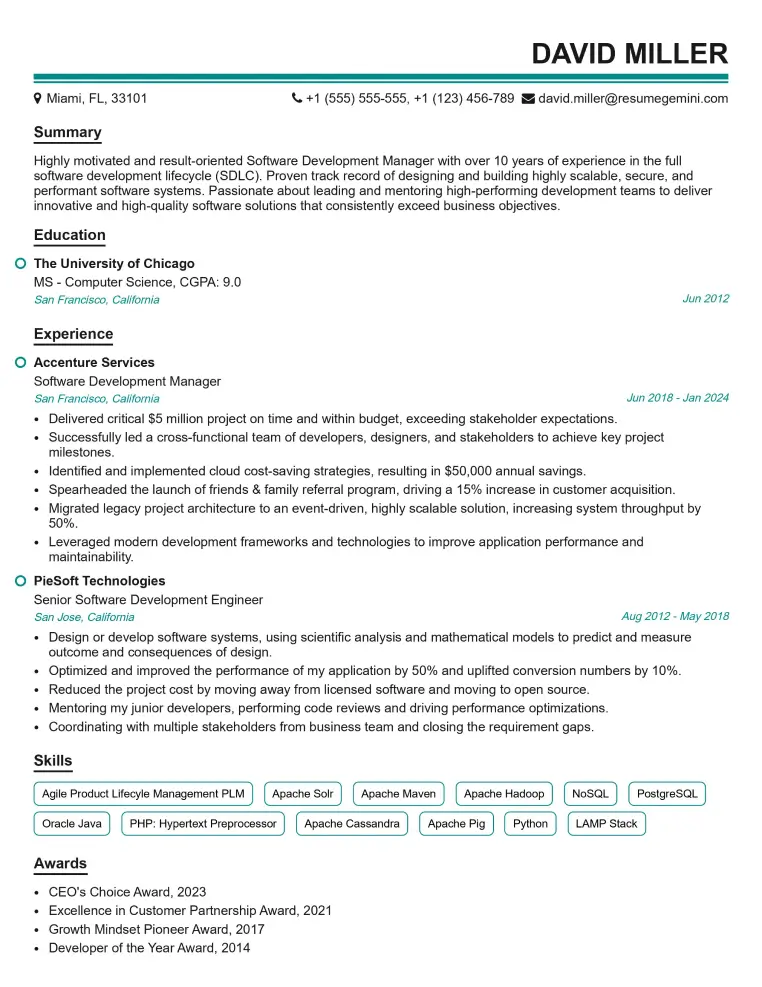
Elevate your job search with our premium resume templates. Here is an amazing resume template that can be used to build a professional and elegant resume. You can build a resume from scratch or revamp your existing resume. Impress hiring managers and secure your next opportunity.
- Top 50 Most Common Interview Questions
- The Psychology of a Great Resume: Hacks to Impress Recruiters
- What Mistakes to Avoid When Writing a Resume: A Comprehensive Guide
- Elevate Your Career with Expert Resume Building: Introducing ResumeGemini
- How to Write a Resume Using Google Gemini: Step-by-Step Guide