





Have you always yearned to explore a different career path, but uncertainty and doubt have held you back? The year 2026 marks a fresh opportunity to embrace change and chase your career aspirations. By implementing these transformative resume strategies, you can unlock the doors to a successful career transition.
The Ultimate Guide to Transitioning Careers: Resumes That Make the Cut
Your resume is often the first impression you make on potential employers. When transitioning careers, tailoring your resume to highlight relevant skills and experiences that resonate with the new industry is crucial. Begin by conducting thorough research on the target industry and identifying the skills and qualifications most sought after by employers. Consider the following tips to craft a resume that stands out:
- Focus on Transferable Skills: Identify the skills you’ve gained in your previous roles that are applicable to your new career path. Highlight these skills in your resume, emphasizing how they can be leveraged in the new industry. For instance, if you’re transitioning from a marketing role to a project management position, showcase your communication, analytical, and problem-solving abilities.
- Quantify Your Accomplishments: When describing your work experience, use specific metrics and numbers to quantify your accomplishments. This adds credibility to your resume and demonstrates the impact of your contributions. For example, instead of stating “Managed social media campaigns,” you could say “Increased website traffic by 25% through targeted social media advertising.”
Highlighting Transferable Skills: Translating Your Experience to a New Industry
Transferable skills are abilities and knowledge that can be applied across multiple industries. Identifying and emphasizing these skills is essential for a successful career transition. Here are some examples of transferable skills that are highly valued in various industries:
- Communication: Written and verbal communication skills are crucial in any field.
- Problem-solving: The ability to analyze problems and develop effective solutions.
- Teamwork: The ability to collaborate and contribute effectively within a team.
- Project management: The ability to plan, organize, and execute projects successfully.
- Data analysis: The ability to collect, analyze, and interpret data.
Crafting a Career Change Resume: Strategies for Success
In addition to highlighting transferable skills, your resume should be tailored to the specific job you’re applying for. Consider using ResumeGemini‘s resume builder to create a professional and visually appealing resume that showcases your qualifications effectively. Here are some tips for crafting a compelling career change resume:
- Use Industry-Specific Keywords: Research the job description and incorporate relevant industry-specific keywords throughout your resume. This will help your resume get noticed by applicant tracking systems (ATS) and increase your chances of getting an interview.
- Tailor Your Objective Statement: Your resume’s objective statement should clearly articulate your career goals and how they align with the position you’re applying for. Tailor your objective statement to each job application, highlighting the skills and experiences that are most relevant to the specific role.
Networking and Informational Interviews: Boosting Your Visibility and Building Connections
Networking and informational interviews are valuable tools for career changers. Networking allows you to connect with professionals in your target industry, learn about job opportunities, and gain insights into the industry landscape. Informational interviews, on the other hand, provide an opportunity to ask questions about a specific role or industry, learn about company culture, and build relationships with potential employers. Follow these tips to maximize your networking and informational interview efforts:
- Attend Industry Events: Conferences, meetups, and workshops are great places to network with professionals in your target industry. Attend these events, introduce yourself to people, and exchange contact information.
- Reach Out to Your Network: Let your friends, family, and former colleagues know that you’re looking to make a career change. Ask them if they know of any job opportunities or if they can connect you with someone in your target industry.
- Conduct Informational Interviews: Reach out to professionals in your target industry and request informational interviews. Prepare thoughtful questions about their roles, the industry, and the company they work for.
Remember, switching careers is a journey that requires perseverance and determination. By implementing these resume strategies and networking effectively, you can increase your chances of success in your career transition. Embrace the challenge, stay focused on your goals, and take proactive steps to make your career change a reality.
Career Expert Tips:
- Select the ideal resume template to showcase your professional experience effectively.
- Master the art of resume writing to highlight your unique qualifications and achievements.
- Checkout the resume writing tips for guidance and best practices.
- Make your 2025 brighter with a new job. Build a powerful resume with ResumeGemini and save big, enjoy exclusive discounts on premium templates.
Frequently Asked Questions (FAQ’s)
How do I change careers with a resume?
Crafting an effective resume is instrumental in transitioning to a new career. The key lies in showcasing your transferable skills and highlighting how they align with the requirements of your target role. To achieve this, tailor your resume to each job application, emphasizing how your experiences and accomplishments translate to the new field. Additionally, consider including a career summary or objective statement that explicitly mentions your career change goals.
- Highlight your transferable skills that are relevant to the new career.
- Use keywords from the job description to tailor your resume to each application.
- Quantify your accomplishments to demonstrate the impact of your work.
- Get feedback on your resume from a career counselor or mentor.
How do I highlight transferable skills on my resume?
Highlighting transferable skills on your resume is crucial for career changers. These skills are those that are applicable across various industries and roles, allowing you to demonstrate your value even if you don’t have direct experience in the new field. To effectively showcase transferable skills, list them prominently in a dedicated skills section on your resume. Additionally, weave them into your work experience descriptions, providing specific examples of how you applied these skills in your previous roles.
- Create a dedicated “Skills” or “Transferable Skills” section on your resume.
- Research the required skills for the new career and identify which transferable skills align.
- Quantify and add specific examples of your transferable skills in action.
- Use keywords relevant to the job description to optimize your resume for applicant tracking systems (ATS).
How do I create a resume for a career change?
Creating a resume for a career change requires a targeted approach to highlight your relevant skills and experiences. Start by crafting a strong career summary or objective statement that clearly states your career change goals and the value you bring to the new field. Choose a resume format that best showcases your transferable skills, such as a functional or combination resume. Utilize keywords from the job description to tailor your resume to the specific role you’re applying for. Remember to proofread your resume carefully before submitting it.
- Use a professional resume template to create a visually appealing and organized resume.
- Highlight your transferable skills and experiences in your resume summary or objective statement.
- Quantify your accomplishments and use action verbs to describe your experiences.
- Tailor your resume to each job application, emphasizing how your skills match the requirements of the role.
What are some networking tips for career changers?
Networking is essential for career changers as it allows you to connect with professionals in your target field and learn about potential job opportunities. Attend industry events, join professional organizations, and engage with people on LinkedIn. Reach out to your existing network for referrals and introductions. Informational interviews are also valuable for gaining insights into the new career and building relationships.
- Attend industry events to connect with people in your target field.
- Join professional organizations related to your new career.
- Reach out to your existing network for referrals and introductions.
- Conduct informational interviews to learn more about the new career and build relationships.
How can I use informational interviews to boost my job search?
Informational interviews can be a powerful tool for career changers as they provide an opportunity to learn about the new field, make connections, and gain insights into the job market. Prepare for these interviews by researching the company and the person you’re meeting with. Ask thoughtful questions about the role, the company culture, and the industry trends. Follow up with a thank-you note and stay in touch with the person you met with.
How do I overcome common challenges faced by career changers?
Career changers often face unique challenges, such as a lack of direct experience or perceived ageism. To overcome these challenges, focus on highlighting your transferable skills and how they align with the requirements of the new field. Be prepared to explain your reasons for changing careers and how your experiences have prepared you for the new role. Confidence and a positive attitude can also help you overcome these challenges.
What are some of the most common career change mistakes?
Common career change mistakes include not researching the new field thoroughly, underestimating the challenges of the transition, and giving up too easily. To avoid these mistakes, take the time to learn about the new career, including the required skills, education, and experience. Be realistic about the challenges you may face and develop a plan to overcome them. Stay persistent and don’t give up on your career change goals.
How can I increase my chances of getting hired in a new career?
To increase your chances of getting hired in a new career, focus on developing the skills and experience required for the role. Take courses, attend workshops, and volunteer or intern to gain relevant experience. Tailor your resume and cover letter to each job application, highlighting your transferable skills and how they align with the requirements of the role. Network with people in your target field and use informational interviews to learn more about the industry and potential job opportunities.
What are some resources available to help career changers?
Various resources are available to help career changers, including career counseling, online courses, and networking events. Career counselors can provide guidance on selecting a new career, developing a resume and cover letter, and preparing for job interviews. Online courses can help you learn new skills or enhance existing ones. Networking events allow you to connect with professionals in your target field and learn about potential job opportunities.
How can I stay motivated during a career transition?
Staying motivated during a career transition is essential to achieve your goals. Set realistic goals and break them down into smaller, more manageable steps. Celebrate your progress along the way, and don’t be afraid to ask for help when needed. Surround yourself with positive and supportive people who believe in you and your goals. Focus on the potential benefits and rewards of your career change, and keep your end goal in mind.
Next Step:
Unlock your career change potential with ResumeGemini. Our resume builder offers a range of customizable templates, tailored to highlight your transferable skills and showcase your value to potential employers. Let ResumeGemini guide you towards a successful career transition in 2026. Get started today.
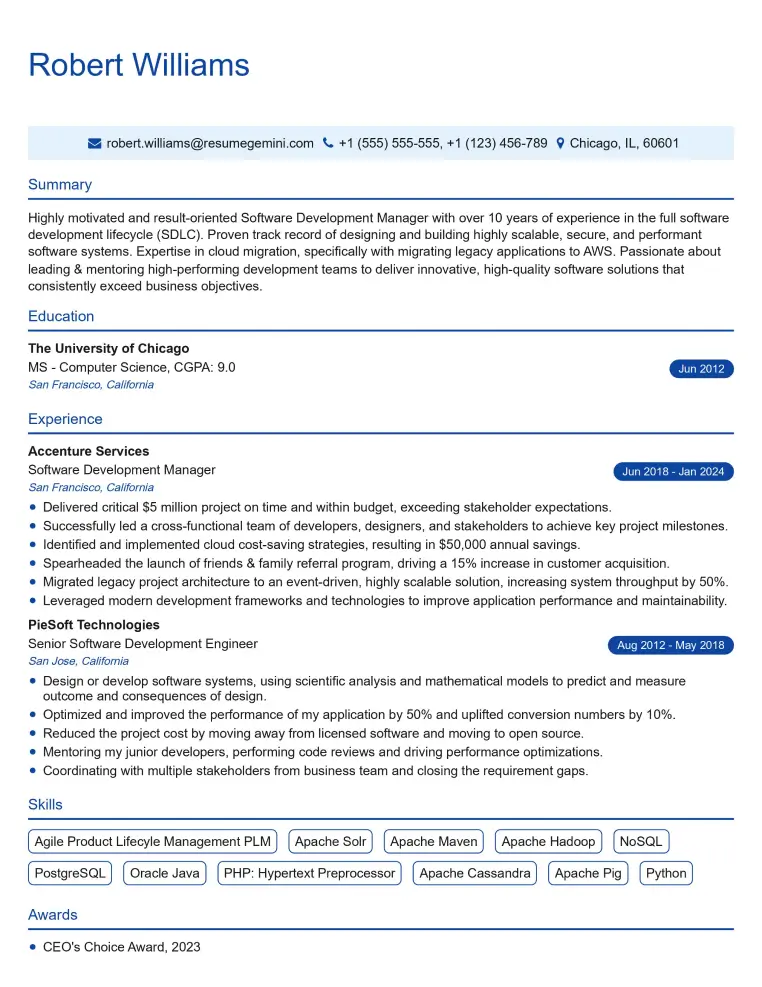
Elevate your job search with our premium resume templates. Here is an amazing resume template that can be used to build a professional and elegant resume. You can build a resume from scratch or revamp your existing resume. Impress hiring managers and secure your next opportunity.
- Top 50 Most Common Interview Questions
- The Psychology of a Great Resume: Hacks to Impress Recruiters
- What Mistakes to Avoid When Writing a Resume: A Comprehensive Guide
- Elevate Your Career with Expert Resume Building: Introducing ResumeGemini
- How to Write a Resume Using Google Gemini: Step-by-Step Guide